

Digital wallet cards might seem a bit technical at first, but their role in modern life is increasingly visible. For anyone curious about how digital payments actually work—or for those just tired of fishing for physical cards in checkout lines—it’s a fairly timely topic.
This article is really for regular people who want to understand the essentials of digital wallet cards, without jargon or sales pitches.
By the end, readers can expect a grounded overview of the main features, typical benefits, and even a few subtle drawbacks to consider.
What Are Digital Wallet Cards?
A digital wallet card is, simply, a virtual version of a physical payment or loyalty card held inside a digital wallet app. These apps—such as Apple Wallet or Google Wallet—store card details securely.
Instead of swiping plastic, a person can pay or redeem rewards with their phone or smartwatch. It’s a change that perhaps felt optional five years ago but now seems to be quietly encouraged by many banks and retailers alike.
Main Features of Digital Wallet Cards
Digital wallet cards are designed to make payments simpler and faster. Here are the key features that explain why many users prefer them for everyday transactions.
Convenience and Speed
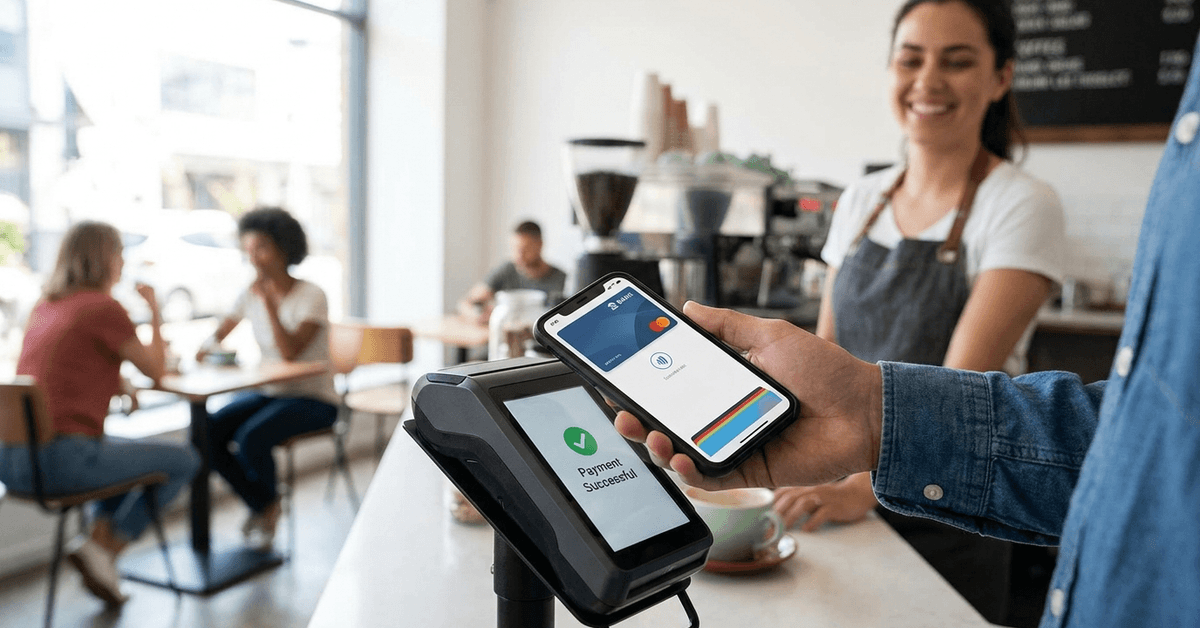
Maybe the most obvious feature is convenience. With digital cards, everything is stored on your device—no need to search through multiple cards at checkout. Tap or scan, and the purchase is done.
This quicker process can help, especially during busy times or when physical wallets are easily misplaced.
Enhanced Security Features
Security is a big, if sometimes understated, aspect. Many digital wallets tokenize your real card number—that is, they use unique codes for each transaction.
So, if cybercriminals intercept these codes, they can’t just steal your entire account information.
Plus, most apps offer biometric security steps like fingerprint or face recognition. That feels like peace of mind, to some extent.
Wide Compatibility Across Devices and Retailers
One surprising strength is compatibility. Digital wallet cards work on most modern smartphones and smartwatches. Increasingly, major stores and online shops support contactless, mobile payments.
Some, though, still don’t accept these methods, which can be a minor point of annoyance for users relying solely on digital cards.
Benefits of Using Digital Wallet Cards
Digital wallet cards can make everyday payments faster and more convenient. They also help users carry fewer physical cards while keeping payment options easy to access.
Contactless Payments
Perhaps the most noticeable benefit is the ability to pay without handing over your actual card.
This was an attractive perk even before health concerns about touching surfaces became widespread. For many, it just feels a little safer—and sometimes more sanitary—to use contactless payments.
Managing Multiple Cards in One Place
Rather than physically carrying several cards, digital wallets gather everything—credit, debit, loyalty, and gift cards—into one interface.
This may sound minor, but the streamlined experience can reduce forgotten or lost cards. It might sound too good to be true, but after trying it, some users rarely return to traditional wallets.
Integration with Loyalty Programs
Many digital wallet cards help users automatically track, accrue, or redeem loyalty points. For people who often forget about those programs, this can translate to real value—points aren’t wasted because they’re easier to access in-app, rather than hidden on some forgotten plastic card.
Expense Tracking and Budgeting
Because transactions are logged within the app, digital wallet cards often offer instant notifications and built-in spending summaries.
For anyone who likes financial oversight (or simply needs help budgeting), this automatic tracking can be surprisingly reassuring, even if it’s not always perfect.
Accessibility for International Payments
Some digital wallets support payments across borders, skipping the hassle of currency exchange lines or conversion fees. Not every card or wallet supports this seamlessly, so it’s worth checking, but knowing it’s possible can ease some travel concerns.
Popular Providers of Digital Wallet Cards
Several major tech companies offer digital wallet services for everyday payments. Comparing providers can help users choose one that fits their device, bank, and payment habits.
Apple Wallet
Apple Wallet comes pre-installed on iPhones and is known for robust security features and an easy user interface. Apple Pay supports a wide range of banks and cards. More details can be found on the official Apple support website.
Google Wallet
Google Wallet functions on Android devices, storing payment cards, tickets, and even digital car keys.
Its integration with Google Pay extends acceptance to many global retailers, though individual banks may vary. See Google Wallet’s official help resources for specifics.
Samsung Wallet
For Samsung users, this wallet blends payments with transit passes and even digital IDs in some regions. It’s an all-in-one solution, but features can depend on device model and country.
How to Set Up and Use a Digital Wallet Card
Setting up a digital wallet card is usually quick and guided by the app. Once added and verified, the card can be used for secure contactless payments.
- Select a digital wallet app supported by your device (e.g., Apple Wallet, Google Wallet, Samsung Wallet).
- Download or update the app from the official app store.
- Add a payment, loyalty, or gift card by following the in-app prompts—usually this involves scanning the card or entering its details manually.
- Verify your identity, often through a bank code or a call. This step sometimes feels repetitive, but it adds an extra security layer.
- Test your setup at a compatible store, holding your device near a contactless reader. For some users, this first transaction can feel mildly nerve-racking, though it usually goes smoothly.
Potential Drawbacks or Limitations
Digital wallet cards are convenient, but they still have a few practical limits. Here are some concerns to consider before relying on them completely.
Device and Battery Dependency
If a device is lost, stolen, or simply runs out of battery, digital wallet cards become inaccessible. That’s perhaps the biggest reason many people still carry at least one traditional card as backup.
Privacy Concerns
While privacy measures are robust, storing all your payment info on a single device means you trust the ecosystem behind it.
Updates, security patches, and app permissions all play a role in maintaining safety—sometimes, users might feel unsure about how much data is being shared.
Not Universal Acceptance
Not every retailer or country supports digital wallet payments. Especially during travel, or at small businesses, it’s not unusual to find that physical cards are still needed.
Tips for a Better Digital Wallet Card Experience
A few simple habits can make digital wallet cards safer and easier to use. Here are some practical tips to improve convenience, security, and reliability.
- Regularly update your wallet app and device to get the latest security enhancements.
- Keep backup payment methods until you are confident digital wallet cards are accepted where you shop most.
- Enable biometric security for added protection, even though it may sometimes slow down quick payments.
- Check what extra features your digital wallet offers—such as integration with ticketing or boarding passes.
- Monitor app permissions and privacy settings if personal data sharing is a concern.
Conclusion
Digital wallet cards can make everyday payments faster, safer, and easier to manage. They help store payment, loyalty, and gift cards in one place while adding security features like tokenization and biometric login.
However, device battery, retailer acceptance, and privacy settings still need attention. Used carefully, digital wallet cards can be a practical tool for modern spending.