

Brazil’s Food Acquisition Program (PAA) purchases harvests directly from family farmers and redirects them to people facing hunger.
This arrangement stabilizes income, diversifies diets, and preserves agrobiodiversity—outcomes that any country in Brazil can adapt to its own context.
PAA at a Glance
Launched in 2003, the PAA integrates agricultural policy with social protection. It treats food not merely as a commodity but as a public good that should nourish both producers and vulnerable consumers.
| Pillar | Purpose | Practical Result |
| Direct Purchases | Create a guaranteed buyer for family farms. | Stable demand shelters farmers from volatile spot markets. |
| Targeted Donations | Channel food to schools, social‐assistance kitchens, and low-income households. | Regular deliveries improve dietary quality among high-risk groups. |
| Price References | Pay farmers reference prices set above or equal to prevailing market averages when justified. | Extra margin rewards sustainable practices and diversified crops. |
| Local Preference | Source goods within the same municipality or micro-region whenever feasible. | Reduced food miles keep money circulating locally and cut transport emissions. |
| Seed Exchange Component | Purchase, distribute, and swap traditional seed varieties. | Genetic diversity and cultural food heritage stay alive. |
Why Family Farmers Benefit
See how a predictable sales channel transforms smallholder livelihoods. Family farmers in Brazil often operate on fewer than five hectares, juggling price fluctuations, limited credit, and scarce technical assistance. The PAA mitigates these stressors through three main levers:
Income Stability
Guaranteed purchases let you plan plantings based on accepted contracts rather than speculative demand, smoothing cash flow across seasons.
Stronger Collective Bargaining
Selling through cooperatives or associations pools logistics, reduces transaction costs, and raises your negotiating power for inputs and credit.
Incentives for Crop Diversity
The program buys fruits, vegetables, pulses, grains, and minimally processed items, motivating farms to move beyond commodity monocultures and tap higher-value niche products.
Field studies in Santa Catarina’s plateau region show annual acquisition values rising steadily between 2004 and 2007, alongside a jump in participating farm families.
Higher average prices translated into noticeable gains in household income and on-farm employment.
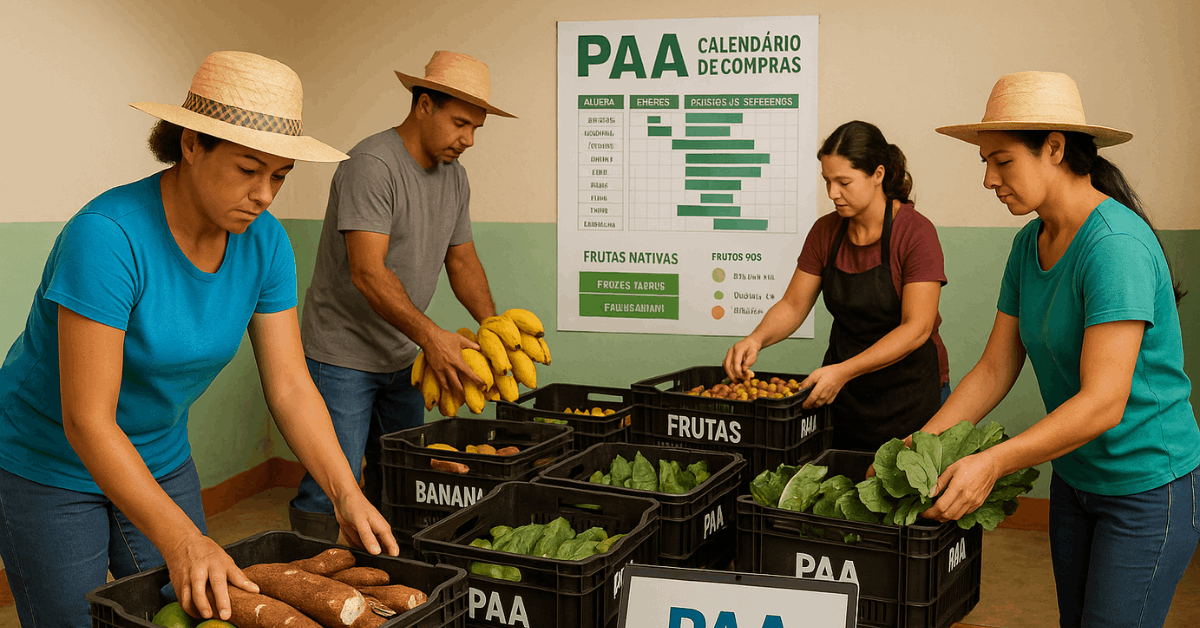
How the Program Strengthens Food Security
Track the pathway that turns local harvests into nutritious meals for communities that need them most.
After purchase, food flows to schools, community restaurants, shelters, and health clinics. This integrated circuit addresses both calorie gaps and micronutrient deficiencies.
- Diet Quality Improvement: Fresh produce replaces ultra-processed staples previously common in institutional menus, raising intake of vitamins, minerals, and fiber.
- Cultural Compatibility: Menus incorporate regional staples such as manioc flour, native fruits, and heirloom beans—foods consumers already recognize and enjoy.
- Year-Round Supply: A procurement calendar staggered across climatic zones ensures continuous deliveries, minimizing lean-season shortages.
School nutrition surveys reveal better attendance, higher concentration in class, and fewer complaints of hunger once PAA ingredients reach canteens.
Operational Mechanics: From Farm Gate to Table
Gain clarity on the administrative engine keeping the PAA moving.
The National Supply Company (CONAB) manages budgets, contracts, and oversight, while municipalities execute logistics. Participation unfolds through these steps:
- Registration: Cooperatives or individual farms sign up on the online platform, confirming family-farmer status based on land size and income limits.
- Proposal Submission: Groups outline product lists, quantities, delivery schedules, and selling prices referencing official tables.
- Technical Evaluation: Local food councils and agricultural extension agents verify volumes, quality standards, and alignment with nutritional targets.
- Contract Approval: CONAB releases funds directly to producer organizations once paperwork clears.
- Delivery and Monitoring: Products ship to recipient entities, which record weight, variety, and condition. Random audits curb fraud and uphold safety protocols.
This systematic flow builds transparency, winning public trust, and ensuring that benefits reach intended audiences.
Socioeconomic Ripples in Rural Communities
Recognize broader community-level dividends extending beyond individual farms.
PAA participation often triggers positive feedback loops:
- Job Creation: Packing, transport, and quality-control tasks generate off-farm employment for youth and women, slowing rural out-migration.
- Local Multipliers: Farmers spend additional earnings on inputs, services, and consumer goods in nearby towns, amplifying regional GDP.
- Infrastructure Upgrades: Cooperatives invest in cold storage, washing stations, and processing units, assets that remain available long after contracts end.
- Social Capital Growth: Frequent meetings to coordinate deliveries enhance communication and trust among producers, enabling collective action on other development fronts.
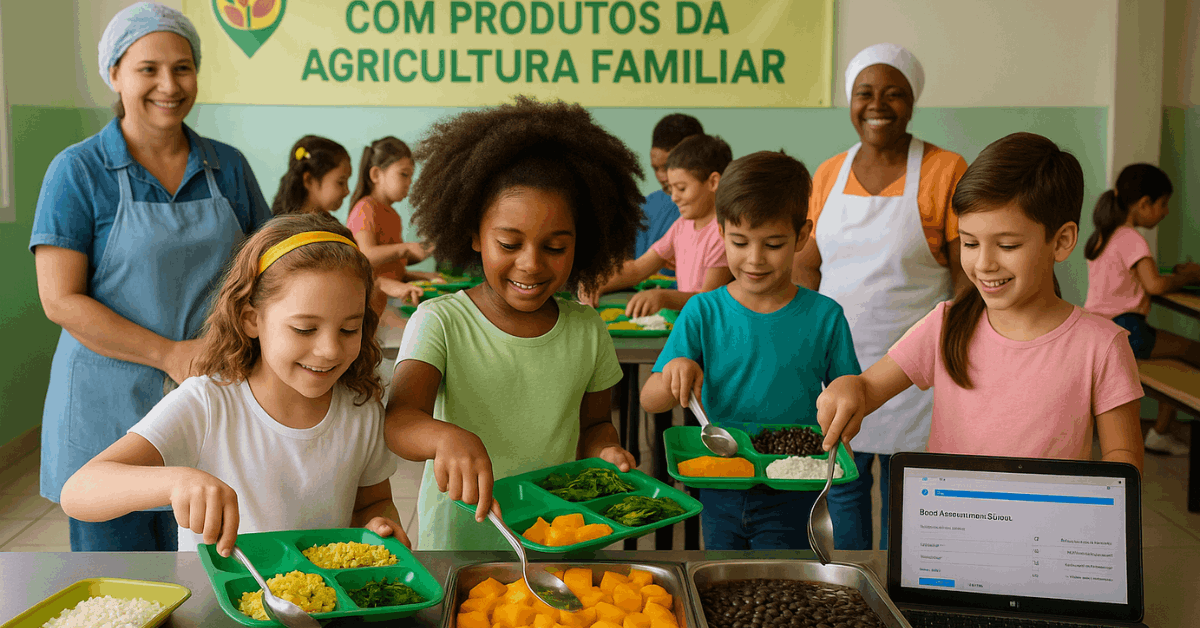
Nutrition Gains for Vulnerable Groups
Household surveys show families receiving PAA donations expand the number of food groups consumed weekly, pushing diets closer to World Health Organization diversity benchmarks. Results include:
- Higher Intake of Fresh Produce: Seasonal fruit and leafy vegetables reach homes that previously relied on shelf-stable starches and sugars.
- Reduced Micronutrient Deficiencies: Iron-rich beans and vitamin-A-dense squash lower anemia and eye issues among children.
- Improved Child Development Metrics: Preliminary data link regular PAA meals to better height-for-age scores in preschoolers.
These gains underscore the program’s dual identity as both an agricultural and public-health intervention.
Environmental and Cultural Benefits
Learn why crop diversification nurtured by the PAA matters for ecosystems and heritage.
Modernization pressures had pushed many farms toward pesticide-heavy monocultures, eroding biodiversity and culinary traditions. The PAA counters these trends through:
- Seed Rescue and Exchange: Payments for local landraces incentivize farmers to keep rare varieties in production, safeguarding important genetic resources.
- Reduced Chemical Dependency: Buyers favor produce grown under agroecological management, encouraging lower pesticide loads and healthier soils.
- Cultural Revival: Ingredients once labeled “poor people’s food,” such as taioba leaves or fubá de milho crioulo, regain market value and social prestige.
Environmental agencies monitoring participating areas report less soil erosion and increased pollinator presence, indicating tangible ecological payoffs.
Challenges and Lessons Learned
Stay realistic about hurdles and ways to overcome them. Despite proven successes, several obstacles limit full potential:
| Challenge | Root Cause | Recommended Response |
| Information Gaps | Many farmers lack timely updates on calls for proposals. | Expand radio bulletins, mobile apps, and on-farm extension visits. |
| Bureaucratic Complexity | Paperwork and digital platforms can overwhelm low-literacy participants. | Simplify forms, provide template kits, and assign local “navigator” officers. |
| Uneven Access to Credit | Smallholders struggle to finance production before payment arrives. | Coordinate PAA contracts with low-interest harvest loans disbursed upfront. |
| Logistics Bottlenecks | Remote areas face high transport costs and poor road quality. | Invest in community cold chains, feeder roads, and fuel subsidies tied to sustainability milestones. |
Addressing these weaknesses can extend benefits to marginalized territories still outside the program’s reach.
Adaptation Potential
Countries in Latin America, Africa, and Asia share similar challenges: fragmented smallholder markets, high rural poverty, and widespread malnutrition. The PAA showcases practical principles:
- Use Public Procurement as Market Anchor: Redirect existing budgets for school meals or food assistance toward local sourcing, moving value chains closer to small farms.
- Pay Fair Reference Prices: Shield producers from sudden price crashes while avoiding distortions that crowd out private buyers.
- Integrate Nutrition Criteria: Couple supply contracts with dietary guidelines so meals address nutrient gaps, not just caloric needs.
- Foster Cooperative Governance: Involve farmer groups, nutrition councils, and civil-society watchdogs in design and monitoring for legitimacy.
Pilot projects in Senegal and Haiti already mirror the PAA’s blueprint, signaling strong scalability across diverse agro-ecological and institutional landscapes.
Key Takeaways for Policymakers and Practitioners
Capture actionable insights ready for program deployment.
- Treat Small Farms as Strategic Partners: Designing procurement around family holdings stimulates inclusive growth and food sovereignty.
- Pair Economic Incentives with Social Outcomes: Contracts that reward sustainable production simultaneously bolster environmental stewardship and public health.
- Invest in Collective Infrastructure: Cooling facilities, transport fleets, and quality labs should be community-owned to maximize shared value.
- Embed Rigorous Monitoring: Real-time dashboards help track deliveries, flag shortfalls, and document nutrition indicators, bolstering accountability.
- Plan for Long-Term Budgeting: Moving a program from a government mandate to a state policy protects it from political turnover and funding shocks.
Conclusion
Harnessing public purchasing power to buy directly from family farms delivers a triple dividend: higher rural incomes, richer diets for vulnerable citizens, and healthier agroecosystems.
Brazil’s Food Acquisition Program proves that targeted procurement can stitch together economic, social, and environmental goals without sacrificing fiscal discipline.