

Planning school meals at scale is about nutrition, learning, and fairness, not just logistics. National School Feeding Program PNAE is Brazil’s public policy that guarantees meals for students in basic education.
National School Feeding Program PNAE also sets rules for menus, purchases, delivery, and oversight at the local level. Parents, educators, and producers often hear the name but miss how the system actually runs.
This guide breaks down what the program is, what it delivers, what it requires, and how you can join it.
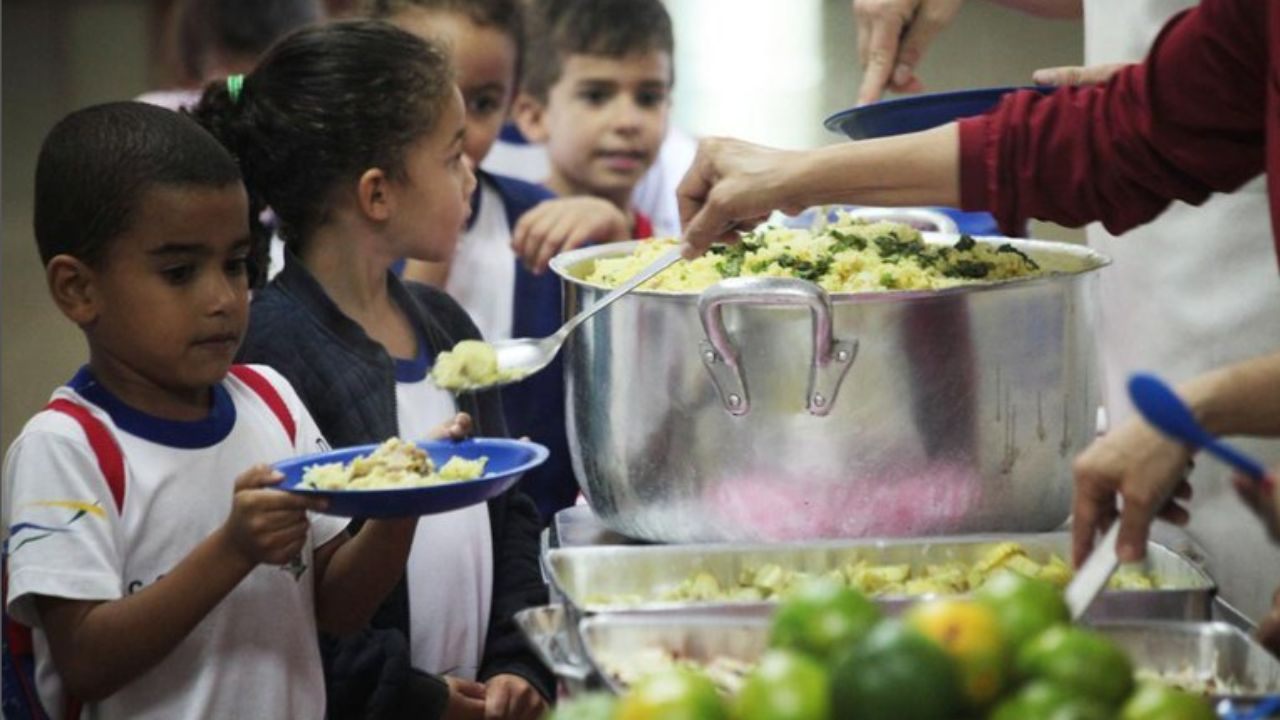
What PNAE Is And Why It Matters In Brazilian Schools
PNAE funds and organizes school meals across public education networks in Brazil.
It is designed to be universal for students enrolled in eligible public basic education and some partner institutions.
The federal government manages the policy through the FNDE, while states and municipalities run services locally. When it runs well, it supports attendance and improves learning conditions.
The Program Goal And Who It Serves
PNAE exists to provide food and nutrition security during the school day for basic education students. Coverage includes early childhood education, primary, secondary, and youth and adult education in public networks.
The right is linked to enrollment, so families usually do not submit a separate request to receive meals. If you are unsure about coverage, your school or local education office can confirm it.
What School Meals Must Deliver In Practice
Meals should fit the student’s age group, time in school, and daily schedule. Menus are expected to prioritize fresh and minimally processed foods and respect local food culture when feasible.
Kitchens must follow safe handling routines, including hygiene, storage, and ingredient traceability. If meals are unsafe or inconsistent, you can ask for the menu plan and report failures through local channels.
Who Manages PNAE And How Funding Flows
FNDE transfers resources to states and municipalities, and local managers handle procurement and distribution to schools.
Schools depend on local planning for deliveries, staffing, and kitchen conditions, so results can vary by region.
Social oversight is part of the model through School Feeding Councils, known as CAE, which monitor service and spending. If you want transparency, ask how the CAE meets and how it records complaints.
Benefits Of PNAE For Students, Families, And Communities
PNAE delivers benefits because it serves meals within the school routine. Families often feel relief when part of their daily food needs is covered during the school year.
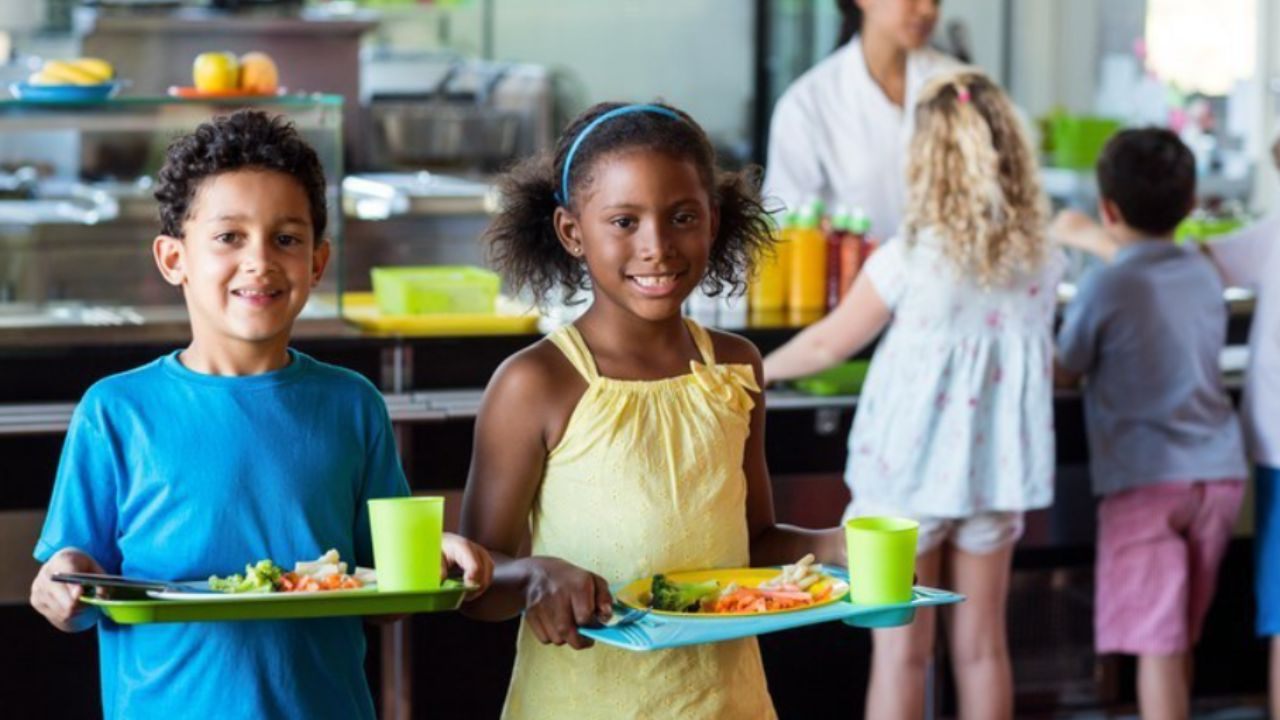
Schools benefit when students have better energy and focus, which supports learning. Communities benefit when purchases strengthen local supply and keep spending closer to home.
Food And Nutrition Support During The School Day
A consistent school meal can reduce the learning impact of hunger and irregular eating. This support matters for younger children who need routine and stable portions.
When supply is regular, schools can serve meals at predictable times and reduce disruption. If your child has allergies or medical restrictions, notify the school early so adaptations can be planned.
Food Education and Health-Related Outcomes
PNAE can reinforce healthy habits because students see meal patterns over time. Many networks connect meals with nutrition education, gardens, or classroom content about food and health.
This approach can reduce reliance on ultraprocessed snacks and improve acceptance of fruits and vegetables. If you want stronger results, ask how the nutrition staff and teachers coordinate with families.
Local Economy Impact Through Family Farming Purchases
A key feature of PNAE is the rule that a minimum share of food purchases comes from family farming. This creates a predictable market for local producers and can improve freshness and cultural fit in menus.
It also supports cooperatives and associations that organize supply and deliveries. If you are a producer, this rule is often your entry point through local procurement notices.
Requirements And Rules That Keep A School Eligible
PNAE has rules because it uses public funds and serves children every school day. Local authorities must keep records, follow procurement processes, and maintain basic kitchen and storage conditions.
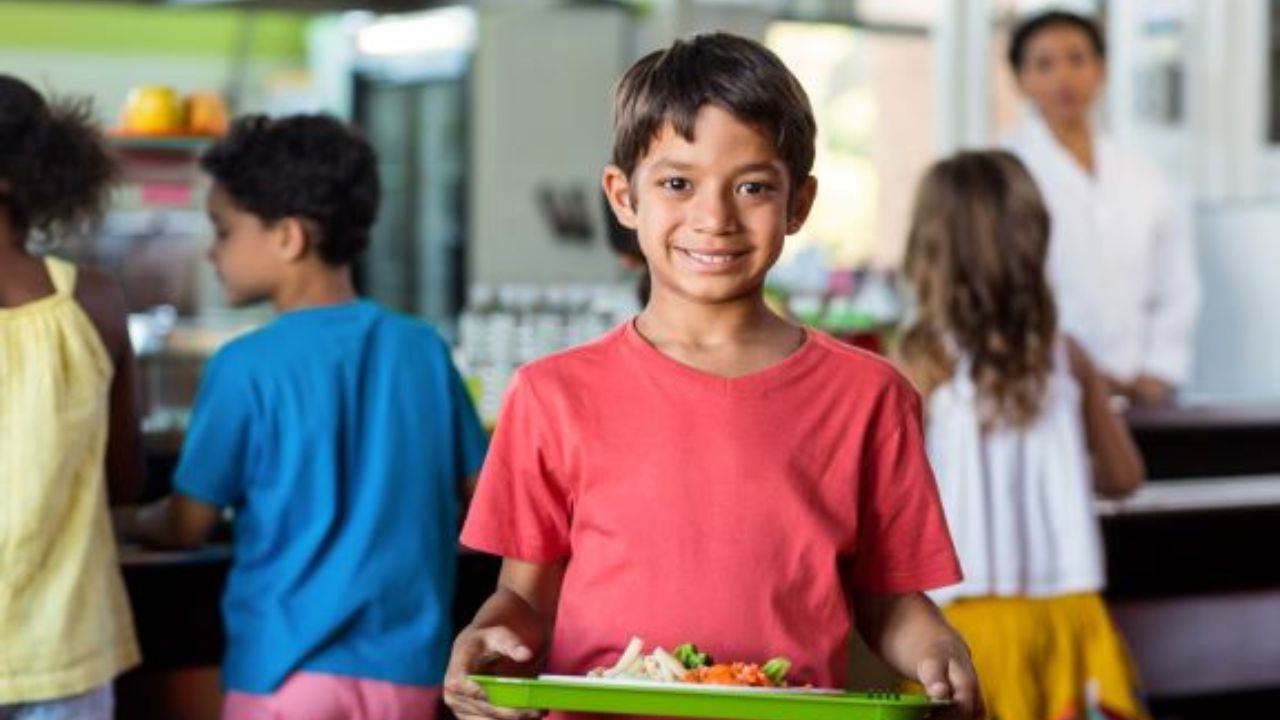
Menus are planned by qualified professionals, and service should follow the school calendar. When issues repeat, evidence matters because oversight bodies act faster on dated reports.
Basic Operational Requirements For Schools And Municipalities
Local managers must ensure schools can store, prepare, and serve food safely. That includes clean water, basic equipment, storage space, and staff trained in handling routines.
Procurement schedules should match kitchen capacity to avoid waste or shortages. If your school lacks structure, request the improvement plan and the timeline for fixes.
Menu Planning, Food Safety, And Accountability Standards
Menu planning is led by nutrition professionals who define portions, food groups, and rotation. Food safety includes clean surfaces, correct storage, and separation of raw and ready-to-eat foods.
Accountability requires purchase records and delivery logs that allow checks between spending and meals served. If you want to verify the basics, ask for the posted menu and the name of the responsible person.
Social Control Through The School Feeding Council
The CAE monitors quality, procurement, and use of funds at the local level. Councils can visit schools, review documents, and issue recommendations or reports to public authorities.
Effective councils include civil society participation, which helps oversight reflect real school conditions. If you want your concern logged, submit it in writing with dates and a clear description.
How To Join PNAE As A Student Or Family
For families, joining PNAE happens through school enrollment, because the program is designed as a universal right.
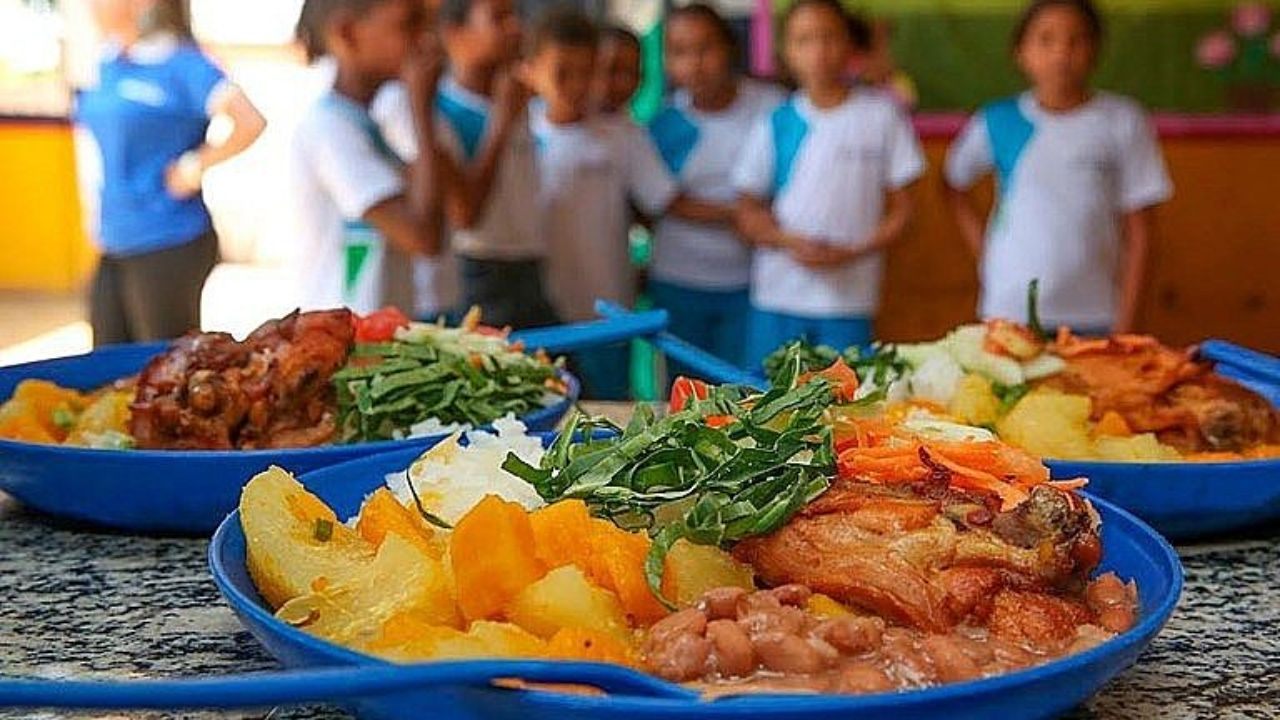
There is rarely a separate registration step for meals, but service quality depends on local capacity. Your role is to understand the routine, communicate dietary needs, and report failures early.
If you are unsure how the program works in your city, start with the school and then the local education office.
When Participation Is Automatic And When It Is Not
Participation is automatic for students enrolled in eligible public basic education networks. Income proof is not required, but attendance affects planning because managers rely on enrollment and daily presence.
Access can fail when kitchens are under-resourced or procurement breaks down, which is an execution problem. If meals are not served, request a written explanation and the plan to restore service.
What Families Can Request From Schools And Where To Ask
You can request the planned menu, meal schedule, and information on who plans nutrition in your network. You can also ask how the school handles allergies, medical diets, and religious restrictions, because safe adaptation is part of quality.
If responses are unclear, escalate to the municipal or state education secretariat and ask how complaints are tracked. Keep requests factual, include dates, and store copies for follow-up.
How To Join PNAE As A Supplier Or Family Farmer
For suppliers, joining PNAE means entering local procurement rather than signing up for one national registry.
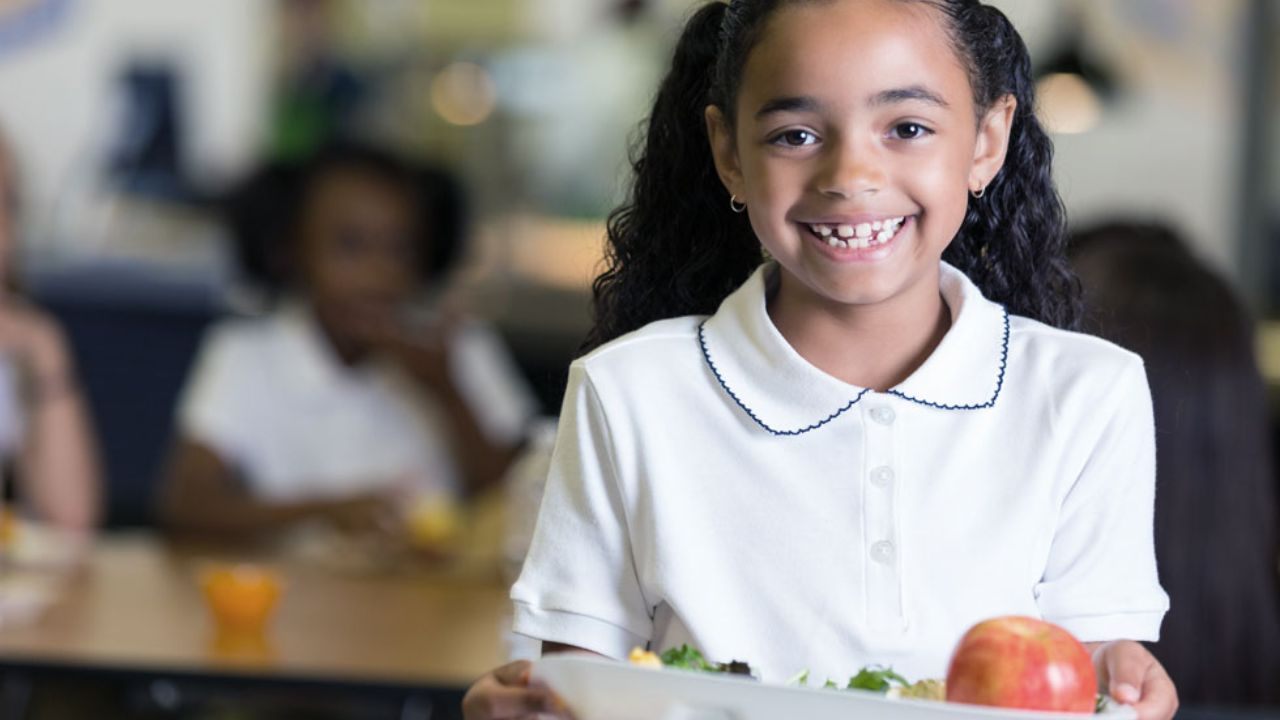
The most common pathway is the chamada pública process used to buy from family farming and local organizations.
Success depends on documentation, product specifications, delivery capacity, and basic food safety practices. If you prepare like you are bidding for a recurring contract, you reduce rejection risk and improve renewal chances.
Public Call Process And Eligibility For Suppliers
Public calls are published by municipalities or states and list items, quantities, delivery windows, and selection criteria. Family farmers, cooperatives, and associations can participate when they meet the eligibility documentation in the notice.
Selection weighs compliance and reliability, because schools need predictable deliveries aligned to menus. If you want to join, monitor local notices, match your offer to the list, and present a delivery schedule.
Documents, Product Standards, And Delivery Expectations
Suppliers should expect requests for identity documents, proof of producer status, and paperwork required by the notice.
Product standards can define size, packaging, handling, and delivery frequency that fit school storage limits and hygiene routines.
Delivery expectations are strict, so late or partial deliveries can lead to warnings, penalties, or termination. Before you submit, map your production calendar and transport capacity so your proposal matches reality.
Conclusion
PNAE makes school meals predictable by linking public funding, local management, and oversight. National School Feeding Program PNAE works best when families ask informed questions and councils verify service with evidence.
If you are a family, focus on menu transparency, safe adaptations, and written follow-up when meals fail. If you are a supplier, focus on public calls, documentation, and dependable delivery. When you treat the program like a system, you reduce delays and improve results.