

The world’s demand for energy keeps rising, and with it, so does the scope for oil rig jobs.
These positions not only power industries but can also offer rewarding career paths for those ready to explore an unconventional workplace.
Whether you’re attracted by the potential for high salaries or looking for adventurous work environments, understanding this sector is key.
This article aims to help job seekers, newcomers, and anyone curious about energy industry opportunities see what’s really involved in oil rig employment—and where to start.
Why Consider a Career in Oil Rig Jobs?
Perhaps the obvious advantage of working on an oil rig is the above-average income potential.
But that’s never the only reason people choose this field. Oil rigs operate in remote locations, offering a unique lifestyle and a tangible sense of purpose for many employees.
From entry-level roustabout positions to advanced engineering roles, there’s a place for a range of skills and backgrounds. Those considering such careers often value teamwork, resilience, and long work shifts balanced with extended leave periods.
Types of Oil Rig Jobs and Typical Duties
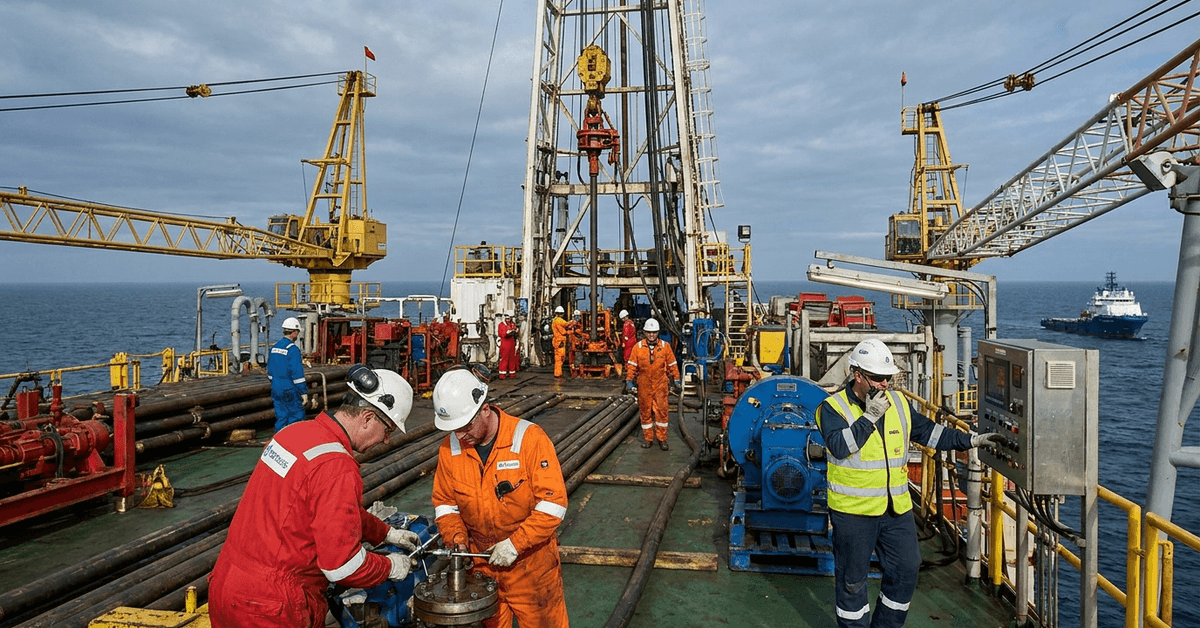
Oil rig teams are a mix of skilled professionals and entry-level staff, each contributing to safe and efficient drilling. Jobs are divided into two main categories: offshore (sea-based platforms) and onshore (land-based rigs).
Entry-Level Roles
- Roustabout: General labor supporting all areas of rig operation, often a starting point for those new to the industry.
- Roughneck: Works on the drill floor, handling machinery, and assisting with drilling operations.
Skilled and Specialist Positions
- Derrickhand: Supervises the drill pipe, operates mud pumps, and monitors the drilling fluid.
- Driller: Runs the drilling rig, manages the crew, and handles technical drilling equipment.
- Toolpusher: Oversees daily operations, manages safety protocols, and serves as an administrative leader.
- Mechanical/Electrical Technicians: Maintain and repair crucial rig equipment and systems.
- Medic or HSE Officer: Handles health, safety, and emergency medical situations on board.
Required Skills and Qualifications for Oil Rig Work
Oil rig positions aren’t just for the physically strong, but health and stamina do matter. Almost every job requires a basic medical exam and specific safety training, such as BOSIET (Basic Offshore Safety Induction and Emergency Training).
Technical roles might expect degrees or special certifications—sometimes even prior experience in construction or trades makes a difference. Soft skills, like adaptability and clear communication, help crews function smoothly in high-pressure situations.
It’s not all about muscle; focus, caution, and a readiness to learn on the job count, too. Sometimes people are surprised just how much teamwork shapes outcomes on the rig.
The Life and Work Environment on Oil Rigs
Working on a rig isn’t for everyone, that’s clear. Shifts are long—commonly 12 hours at a stretch, sometimes on a rotating schedule like two weeks on, followed by two weeks off.
Living quarters are basic but functional, with food and amenities provided. While many imagine rough conditions, modern rigs tend to prioritize safety and comfort where possible.
Recreation areas, internet access, and laundry services can often be found offshore, though these features vary. The isolation, though, is real. Some find it freeing, while others miss regular contact with family and friends.
How to Find and Apply for Oil Rig Jobs
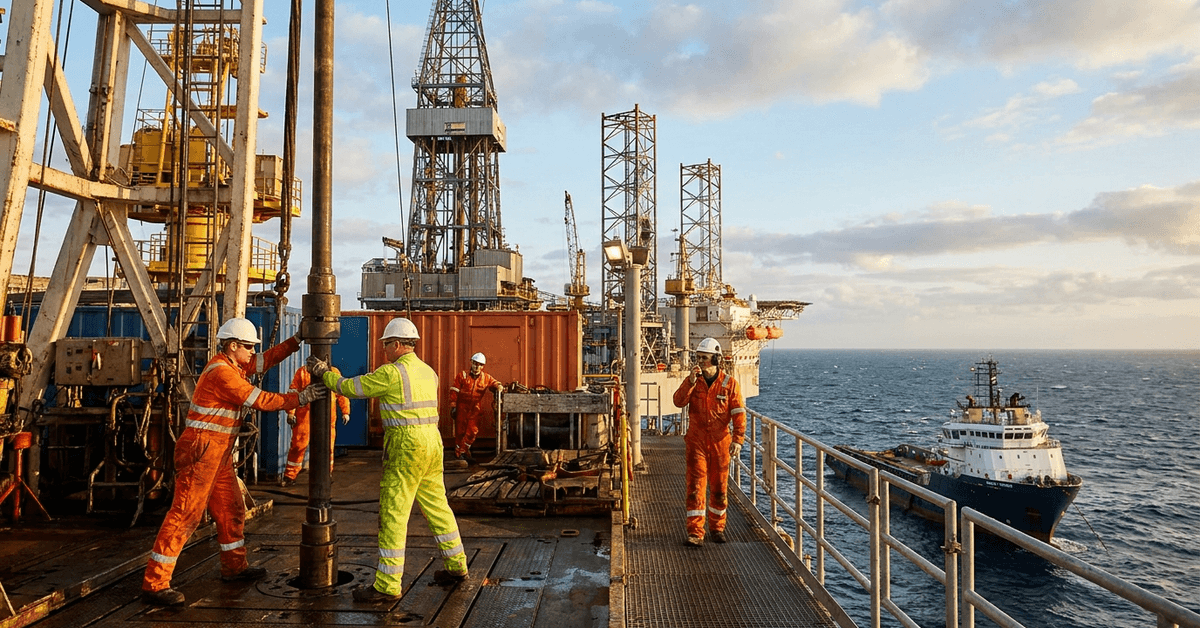
For those considering entry, platforms such as Indeed, Rigzone, and the career pages of major energy companies like Shell and BP present regular openings. Networking can make a big difference—industry job fairs, training schools, and professional groups often provide leads not always visible online.
When applying, it helps to highlight hands-on experience, safety certifications, and willingness to learn, even over formal qualifications in some cases. Realistically, background checks and drug screenings are standard before hiring.
Typical Application Steps
- Submit a detailed CV and cover letter (be clear about readiness for challenging conditions).
- Complete required medical checks and safety training certifications.
- Prepare for interview questions focused on teamwork, reliability, and practical skills.
- Clear all pre-employment screening protocols prior to assignment.
Earning Potential and Perks: What Can You Expect?
Oil rig salaries can vary widely, but even entry-level roles can offer competitive compensation . For example, a roustabout might earn between $35,000 to $55,000 per year, depending on region and company.
Skilled positions—like drillers and engineers—may command $80,000, $100,000, or more plus bonuses. Allowances for remote work, accommodation, and meals are frequently included.
Although unpredictable, bonus schemes and overtime pay can significantly boost overall income. I’ve heard some crews are pleasantly surprised by their annual take-home once all factors are included. Still, the pay generally reflects the intensity and remoteness of the work.
Career Progression and Long-term Prospects in Energy
Perhaps you start on the rig as a roustabout and wonder what’s next. Many employees move up internally, gaining new skills on the job, pursuing specialized training, or transferring to onshore administrative, safety, or engineering functions.
Some take offshore experience and apply it to consultancy roles or equipment sales later on. With global investments in energy—both oil and renewables—skills learned on oil rigs sometimes translate across the wider resources sector.
If stability and growth matter most, this field arguably offers both, though jobs can be cyclical with the energy market.
Health, Safety, and Worker Rights on Oil Rigs
Modern oil companies invest heavily in safety, but the risk of accidents or hazardous exposures exists. Workers are protected by strict safety regulations and emergency response protocols.
Most rigs conduct regular training and drills. Respecting occupational health rules—like mandatory rest periods—ensures teams stay sharp. Labor unions and worker rights groups also monitor conditions, and regulatory agencies place limits on shift hours and exposure to dangerous environments.
While some incidents still occur, safety is now a central focus of reputable employers in this industry.
Legal, Tax, and Employment Considerations
Oil rig workers may work in international waters, have contracts with companies outside their home country, or operate under different taxation rules. Legal requirements depend on location, citizenship, and the employing company.
Generally, contracts clearly outline expectations, rights, and benefits. Seeking advice from a legal or tax professional before accepting offshore work can help prevent surprises.
Accurate record-keeping matters for both compensation and tax compliance, especially if a role involves several jurisdictions.