
PayPal cards don't exist in the Netherlands. If you've been searching for a PayPal Debit Card or PayPal Credit Card to use at Dutch stores, you won't find one.
That gap changes how cashback works for Dutch PayPal users. Rewards come through workarounds, not through PayPal itself.
This article is for expats and residents in the Netherlands who want to squeeze some return out of their PayPal spending without chasing dead-end card applications.
Does PayPal Issue Cards in the Netherlands?
PayPal does not issue debit or credit cards to Dutch residents as of 2026. The PayPal Debit Mastercard and PayPal Cashback Mastercard are US-only products.
Dutch users can still link a local bank card or credit card inside PayPal's wallet. That lets you pay online through PayPal. But you cannot walk into an Albert Heijn and tap a PayPal-branded card.
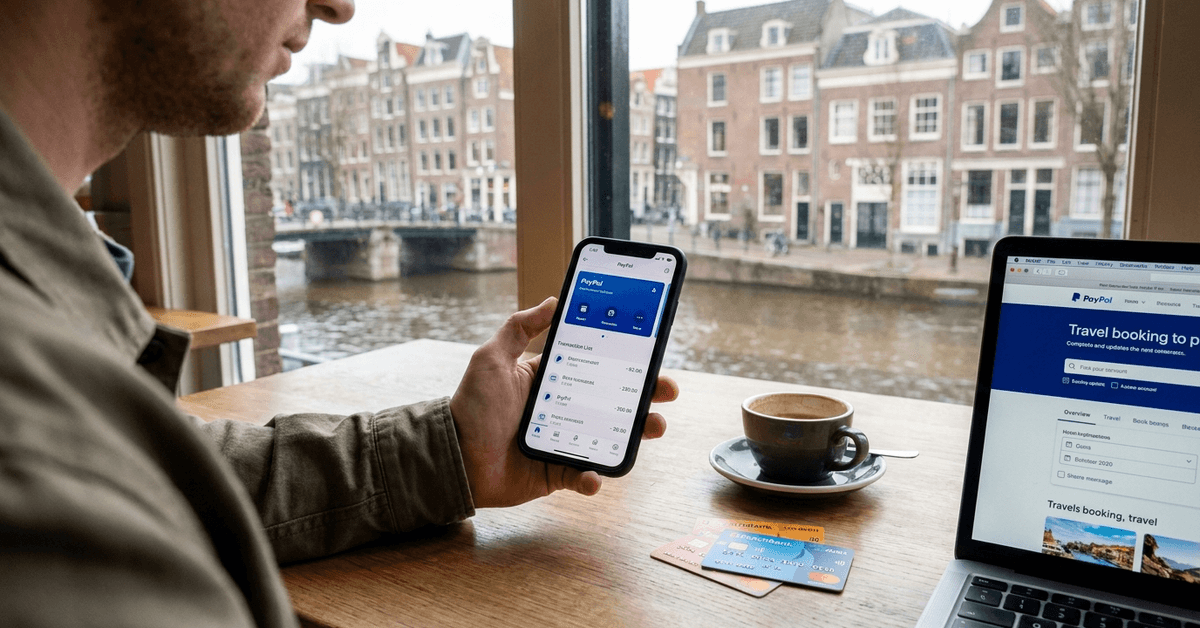
Using Your PayPal Balance Offline
Spending a PayPal balance at physical stores requires a workaround.
Prepaid cards from fintech providers like Revolut or Bunq accept transfers from PayPal. You move money from PayPal to the prepaid card, then spend it anywhere that accepts Mastercard or Visa.
The process takes an extra step compared to a direct PayPal card. And PayPal may charge a small fee for transferring to an external card, depending on the method.
Why iDEAL Makes PayPal Less Necessary Domestically
Most Dutch online stores accept iDEAL, which connects directly to your bank account. So domestically, PayPal often adds a layer without adding a benefit.
I think PayPal's real advantage in the Netherlands is limited to international purchases and cross-border transfers through PayPal.com. For domestic shopping, iDEAL is faster and costs nothing extra.
How Cashback Works for Dutch PayPal Users
PayPal does not run its own cashback program in the Netherlands. Any cashback you earn while paying through PayPal comes from a separate source: your linked bank card, or a third-party cashback platform.
Bank Cards That Add Rewards to PayPal Purchases
ING and ABN AMRO both issue credit cards with loyalty or cashback features. Linking one of these cards to your PayPal account means purchases routed through PayPal can still earn rewards from the bank's program.
Check each bank's terms carefully. Some cashback programs exclude transactions processed through third-party payment platforms. That single exclusion clause can wipe out the entire benefit.
Cashback Platforms That Pay Out to PayPal
Dutch cashback sites like Shopbuddies and CashbackXL let you earn a percentage back on online purchases. The process works like this:
- Start your shopping session on the cashback platform's website
- Click through to the retailer from there
- Complete your purchase using PayPal as the payment method
- The cashback amount tracks in your platform account
Payouts go directly to your PayPal balance once you hit the minimum threshold. Rates and qualifying retailers change by season, and certain brands are excluded entirely.
PayPal vs. Revolut vs. Bunq for Dutch Users
Each platform handles cards and cashback differently. This comparison covers the four options a Dutch resident is most likely considering.
| Provider | Card Available in NL | Cashback | International Use |
|---|---|---|---|
| PayPal | No issued cards | Indirect only | Strong |
| Revolut | Prepaid and debit cards | On selected plans | Yes |
| Bunq | Physical and digital cards | Premium plans only | Yes |
| ING / ABN AMRO | Credit and debit cards | Varies by card | Yes, fees may apply |
Revolut and Bunq both issue cards you can hold in your hand. PayPal does not. If physical card access matters to you, that single fact narrows the decision fast.
When PayPal Still Wins
PayPal's dispute resolution policy covers most online purchases. If a seller doesn't deliver, you can open a case and request a refund. Revolut and Bunq have their own protections, but PayPal's buyer protection has been around longer and covers more merchant categories.
For international transfers, PayPal also moves money to recipients in over 200 countries. Sending euros to a family member's PayPal account in the Philippines or Nigeria takes minutes.
When Revolut or Bunq Makes More Sense
I would pick Revolut over PayPal for everyday Dutch spending because Revolut issues a physical card with no monthly fee on its Standard plan. You get a card, budgeting tools, and fee-free spending in most currencies up to a monthly limit.
Bunq charges €12.99/month for its premium plan but includes cashback on card purchases and a "Green Card" that plants trees based on spending.
If you want a Dutch neobank with built-in rewards, Bunq gives you that without routing everything through PayPal as a middleman.
Fees That Eat Into PayPal Cashback Savings
Currency conversion is where PayPal quietly costs Dutch users money. PayPal applies its own exchange rate plus a 3.5% to 4% conversion fee on transactions in non-euro currencies.
That fee matters if you're buying from a UK or US retailer. A €100 purchase from a US store could cost you €103.50 to €104 after PayPal's conversion markup. Any 1% or 2% cashback from a linked bank card gets eaten by that fee.
Withdrawal Timing
Transferring money from PayPal to a Dutch bank account takes one to two business days. That's slower than iDEAL, which settles instantly, and slower than Revolut's internal transfers.
Setting Up PayPal for the Best Cashback Return
Getting the most out of PayPal in the Netherlands means stacking tools rather than relying on PayPal alone.
A practical setup looks like this:
- Link a credit card with cashback (ING Creditcard or similar) to your PayPal wallet
- Use a cashback platform like CashbackXL as your starting point for online purchases
- Pay through PayPal at checkout so both the bank card rewards and the platform cashback can apply
- Avoid non-euro purchases through PayPal unless the item isn't available from a euro-denominated seller
Security Settings Worth Turning On
PayPal accounts in the Netherlands should have two-factor authentication enabled. This adds a text message or app-based code to every login. The setup takes two minutes inside PayPal's security settings.
A strong, unique password matters too. PayPal stores linked bank details and card numbers. Reusing a password from another site creates an obvious weak point.
Tax Rules on Cashback in the Netherlands
Cashback earned from personal purchases is generally not taxed in the Netherlands. The Belastingdienst (Dutch tax authority) treats small consumer cashback as a discount, not income.
Business users face different rules. If you run a sole proprietorship and earn cashback on business purchases routed through PayPal, that cashback may count as taxable income.
The threshold is low enough that tracking matters if you process volume through cashback platforms.
Questions People Ask About PayPal Cards and Cashback in the Netherlands
A few questions keep coming up around this topic, especially from people new to the Dutch payment system.
- Q: Can I get a PayPal Debit Card in the Netherlands?
No. PayPal does not issue debit or credit cards to residents of the Netherlands. The PayPal Debit Mastercard and Cashback Mastercard are available only in the United States. Dutch users need to link a local bank card or use a fintech alternative like Revolut. - Q: Do Dutch cashback sites pay out to PayPal?
Some do. Shopbuddies and CashbackXL both offer PayPal as a payout option once you reach their minimum threshold. Payout minimums and processing times vary between platforms, so check each one before committing to a shopping session. - Q: Is PayPal cheaper than Revolut for international purchases?
Usually not. PayPal's currency conversion fee sits around 3.5% to 4%, while Revolut offers fee-free exchanges up to a monthly cap on its Standard plan. For frequent international buyers, Revolut tends to cost less per transaction. - Q: Do I need to report PayPal cashback on my Dutch tax return?
Personal cashback from consumer purchases is generally treated as a discount and not taxed. Business cashback on commercial transactions may be taxable. The Belastingdienst's guidelines on digital income cover this distinction. When amounts are small, reporting isn't required, but tracking is still a good habit.
Conclusion
PayPal remains useful in the Netherlands for international payments and buyer protection on online orders. Dutch residents who want physical cards or direct cashback will find better options through Revolut, Bunq, or a local bank.
Stacking a cashback credit card with a Dutch cashback platform gives PayPal users the closest thing to a rewards program. The smartest setup uses PayPal for what it does well and stops expecting it to replace a full banking card.