

The global energy demand shows no signs of slowing, making pipeline jobs a vital part of the modern workforce.
If you’re interested in physically engaging, stable careers with long-term prospects, the oil and gas infrastructure sector may well be worth exploring.
While it isn’t for everyone, those who value teamwork, good pay, and clear growth tracks may find this industry especially rewarding.
Understanding Pipeline Jobs in Oil and Gas Infrastructure
Pipeline jobs center around designing, constructing, maintaining, and monitoring the vast networks that transport oil and natural gas.
These networks stretch across nations, connecting extraction sites to refineries and distribution hubs. In a world still heavily reliant on fossil fuels, the need for skilled labor in this field tends to remain steady, weathering many economic ups and downs.
Types of Pipeline Careers in Oil and Gas
There’s more variety in infrastructure careers than people often imagine. Experience and training levels required can vary widely. Some positions are hands-on and physically demanding; others require technical know-how or strong organizational skills.
Construction and Installation Roles
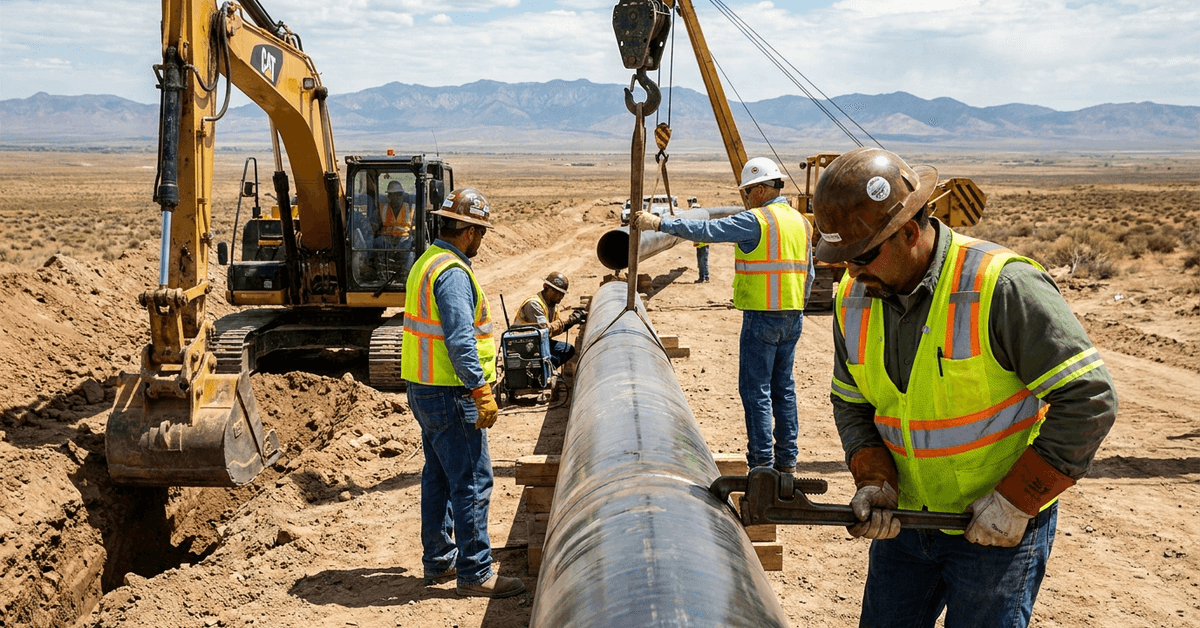
These jobs typically involve building new pipelines or expanding existing networks. Welders, pipefitters, heavy equipment operators, and general laborers are all essential to these projects. The pace can be fast, with strict safety protocols and sometimes extended hours during critical phases.
Maintenance and Inspection Jobs
Once a pipeline is operational, it needs regular attention to stay safe and efficient. Maintenance technicians, inspectors, and corrosion specialists support ongoing reliability.
For people who don’t mind routine checks and preventive repairs—sometimes in harsh conditions—these jobs offer consistency and a sense of responsibility.
Supervisory and Engineering Careers
Site supervisors, project managers, and engineers provide oversight, technical direction, and planning. Engineering roles, in particular, require relevant degrees or certifications but offer above-average pay and advancement potential.
Skills and Qualifications Sought After
Pipeline companies are often on the lookout for highly practical abilities. Physical fitness and a willingness to follow safety procedures are common requirements for entry-level positions. In contrast, advanced technical or engineering jobs usually call for formal education.
- Physical stamina and comfort with outdoor work
- Mechanical aptitude
- Basic math and measurement skills
- Teamwork and clear communication
- Certain certifications, especially for roles involving hazardous materials or welding
Maybe surprisingly, employers sometimes favor attitude and adaptability over prior experience. Some companies provide on-site training, particularly for labor or apprentice jobs.
Benefits of Pipeline Work: Why Choose This Path?
While pipeline jobs can be demanding, they carry distinct advantages compared to many other types of blue-collar work. For people who want steady paychecks and are willing to work hard, the financial and personal benefits can feel quite significant.
Job Security and Steady Employment
The energy sector’s ongoing infrastructure needs mean pipeline professionals often see persistent demand for their skills, even when other trades slow down. Economic cycles and global factors do play a role, but core maintenance and emergency repair work tend to be less affected than new construction.
Attractive Compensation
Entry-level labor positions tend to offer pay somewhat above the national average in many regions. Roles that require greater technical skill or management responsibility can pay quite well, sometimes surprisingly so.
Growth Potential and Advancement
With enough experience—and sometimes additional training or licensing—it’s realistic to move from basic labor roles into more specialized fields like welding, instrumentation, or supervision. Some individuals ultimately pivot into operational or engineering leadership positions.
How to Find and Prepare for Pipeline Jobs
Pursuing a pipeline career usually starts with research and a realistic assessment of personal strengths and interests. Few jobs demand instant relocation, but pipeline work may require periodic travel to remote areas or project sites. That’s a lifestyle factor not everybody is comfortable with.
- Look up local oil and gas companies operating in your area or willing to sponsor travel
- Explore trusted online job portals such as Indeed or specialized energy sector boards
- Consider enrolling in pre-apprenticeship training if you lack direct experience
- Get familiar with key qualifications, such as OSHA certifications or welding credentials
In practice, many begin in general labor jobs before advancing as they gain practical experience. Others take the vocational or technical college route, focusing on welding, mechanics, or instrumentation to start ahead in the pipeline workforce.
Key Safety and Environmental Considerations
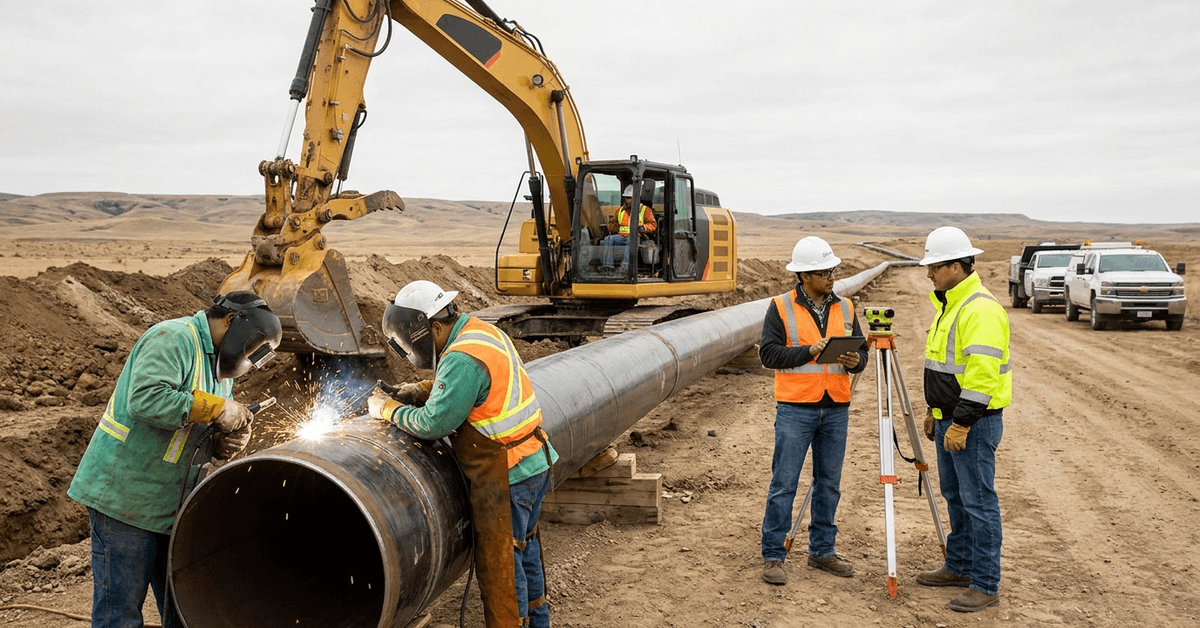
The oil and gas industry has a reputation for being riskier than some other fields. It’s true—pipelines present real safety and environmental challenges, so strong company protocols are non-negotiable. For employees, this translates to mandatory safety meetings, gear, and ongoing training.
Common Hazards and Training
Potential risks include exposure to extreme weather, heavy equipment, and hazardous materials. Safety training drills and emergency response planning are routine. Not everyone finds the constant reminders and procedures enjoyable, but most agree it’s a necessary part of the job.
Environmental Impact and Regulation
Increasingly, the industry faces scrutiny over spills and emissions. Pipeline operators must adhere to strict legal guidelines and invest in leak detection systems, emergency repairs, and reclamation efforts. It’s not perfect, and debates over sustainability continue to shape future regulations.
Regional Job Markets and Trends
Pipeline job availability can swing dramatically depending on location and the current energy projects underway. Oil-producing states or provinces—think Texas, Alberta, or parts of the Middle East—see the highest concentration of openings. However, there’s some unpredictability in project timelines and company requirements.
Urban versus Remote Worksites
Major urban centers usually support more permanent, year-round pipeline maintenance teams. New construction and expansion often call for crews sent to remote or even cross-border locations for temporary contracts.
Temporary and Contract Roles
Many pipeline jobs start on a contract basis. Some professionals prefer this—it can mean higher hourly pay and more flexibility to take breaks between projects. On the other hand, regular company employees may benefit from stronger benefits and job security.
Salary Ranges and Total Compensation
Pipeline industry compensation varies widely, influenced by location, experience, and company. Entry-level laborers may earn from $18 to $30 hourly. Skilled welders, inspectors, or engineers can command substantially higher rates.
For more details on up-to-date salary figures and job statistics, resources like the U.S. Bureau of Labor Statistics or the Canadian Energy Pipeline Association provide reliable overviews. (If you’re planning a career search, it’s worth consulting their data directly.)
Legal Requirements and Certifications
Before working on infrastructure, most employees must complete several mandatory steps—background checks, drug screening, and sometimes union membership. Additionally, some roles require formal certifications recognized across the industry.
- OSHA Safety Certification (U.S.)
- Pipeline Construction Safety Training (varies by country)
- Welding Red Seal or API 1104
- First Aid, CPR, or H2S Alive training
It’s not always necessary to have every certification up front. Some employers will sponsor or provide training for promising candidates.