

Planning a long-distance trip gets expensive fast on a fixed income. In Brazil, a Senior Citizen Card offers free or discounted transport, often through the Carteira da Pessoa Idosa, a document used to access protected fares on eligible routes.
The Senior Citizen Card free or discounted transport benefit depends on age, low-income rules, and an updated CadÚnico record. This guide explains what the card proves, what you can claim, and how to request and use tickets correctly.
What The Senior Citizen Card Is And What It Proves
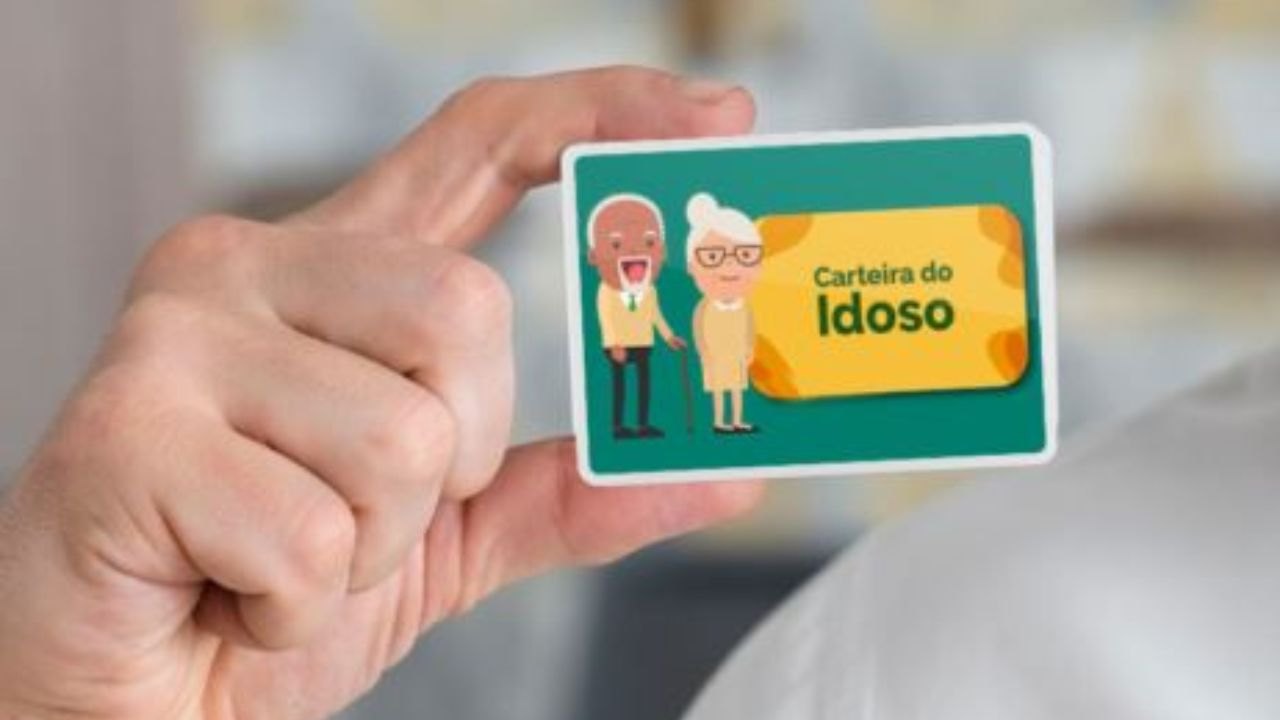
The Senior Citizen Card most tied to federal travel benefits is the Carteira da Pessoa Idosa. It is proof for older adults with low income, not a generic age document.
The national rule targets interstate collective travel, while intercity travel inside one state may follow local policy. Knowing what the card proves helps you avoid wrong expectations and request tickets faster.
The Purpose Of The Card In Intercity And Interstate Travel
The card helps carriers confirm you meet the low-income criterion without repeated paperwork. For eligible interstate trips on regular services, it supports a fare request tied to senior rights on protected routes.
For intercity routes inside one state, the card may help, but benefits can vary by rules and service type. Treat it as your eligibility proof and bring a photo ID for boarding.
Who Issues It And How It Connects To Your Registration
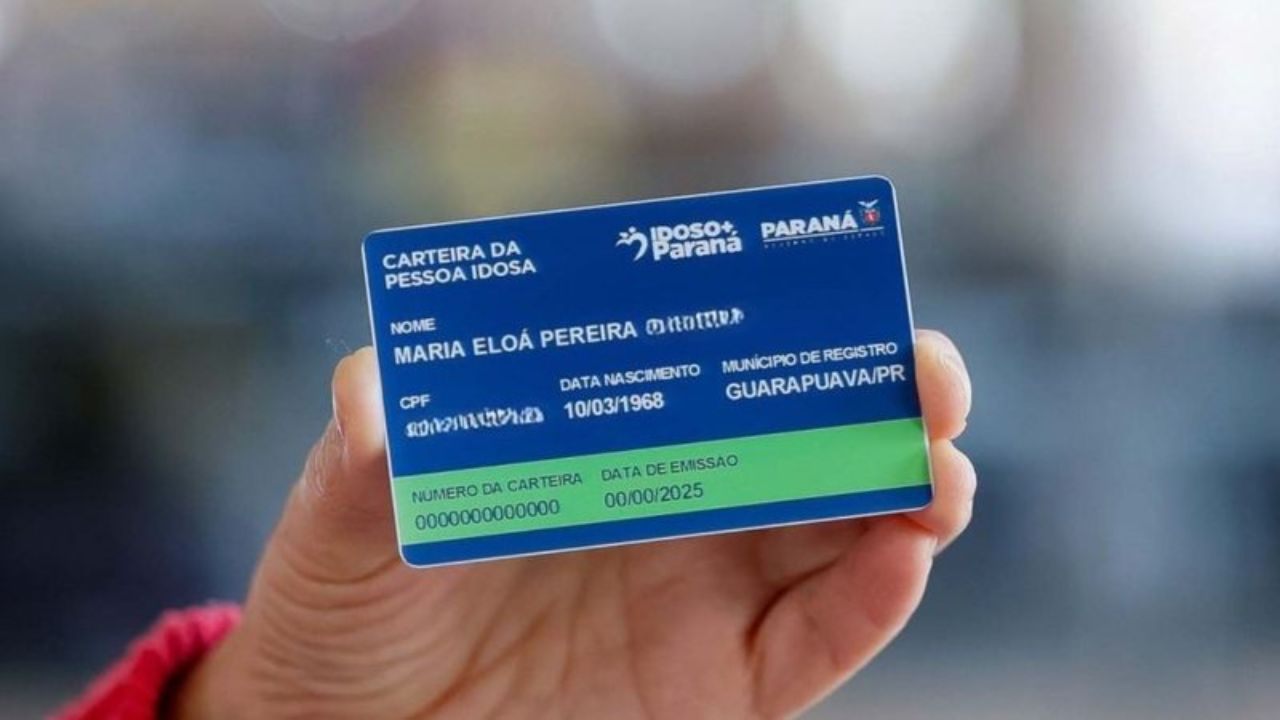
You issue the card through official systems that use your CPF and CadÚnico registration. Because it is generated from registry data, missing or outdated information can block issuance or cause validation errors.
If the system cannot find you, update CadÚnico at CRAS before you try again online. After issuance, save the digital card and keep a printed copy for locations with a weak signal.
The Difference Between Proof Of Age And Proof Of Low Income
Age is required, but it does not automatically unlock the protected fare benefit. You prove age with a photo ID, while the card proves you meet the low-income rule.
If you only show age, the carrier may deny the reserved free seat or the discount ticket. Bring both documents, keep copies on your phone, and you reduce delays and confusion at the counter.
Benefits of Free Seats And Discounted Tickets
The benefit structure is simple, but it only works on eligible services. Carriers reserve a small free seat quota first, then offer a discount when that quota is filled.
Service category and route classification matter, so confirm what you are buying and what rules apply in that line. With the right expectations, you book faster, avoid full fare costs, and plan your trip with more confidence.
How Free Seats Work And What Regular Service Means
On covered interstate regular services, two free seats are reserved per vehicle for eligible seniors. Regular service matters because the obligation applies to scheduled operations, not charter trips.
When you request the free seat, the company should issue the ticket for that quota under its standard booking procedure. Confirm the service type, then ask for the free ticket before discussing discounts.
When The 50 Percent Discount Applies And What It Covers
If both free seats are taken, you can request a ticket at a 50% discount on the fare. The discount follows the same eligibility and service rules, so route type still matters.
It usually applies to the base ticket price, while optional add-ons may cost extra. Before paying, ask for a receipt that shows the discounted fare.
What The Benefit Does Not Cover And Common Misunderstandings
Do not assume the benefit covers every bus trip, including urban routes or charter travel. Federal rules focus on interstate collective travel and tie the obligation to regular services, not charters.
You may still pay separate charges for upgrades, optional insurance, or service differences that the company sells. Ask what is included in the fare, then keep the receipt as your proof.
Requirements You Must Meet Before You Apply
Delays usually start before ticketing because the card depends on verified registry information.
Treat eligibility like a checklist that must match official databases, not a debate at the terminal.
Age and low-income rules are central, and CadÚnico must be updated so the system can confirm your status. Preparing documents early saves time and protects your chance to use the benefit.
Age Rules and the Low-Income Threshold
The card targets people aged sixty or older who meet the low-income limit in the federal criteria. Official service guidance lists individual income at or below two minimum wages, plus an active CadÚnico record.
If you are near the limit, keep income details consistent in your registry and documents. If you do not qualify, check local senior transport rules in your state.
CadÚnico Registration And Why Updates Matter
CadÚnico drives card issuance because it links your identity and social registry status. If your address, household members, or income changed, update the record before you try to issue the card.
Updates are handled at CRAS, and accurate data reduces validation errors later at the carrier counter. Treat CadÚnico as the source of truth, because the card reflects what is recorded there.
Documents You Need For Identity, CPF, And Household Proof
You need a CPF and a photo ID that matches your official records, including spelling and date of birth.
For CadÚnico updates, CRAS may ask for proof of residence and household documents confirming your household members. Online issuance relies on database checks, but documents matter when a mismatch must be corrected or clarified.
Keep copies and originals ready, including recent bills, because inconsistencies can delay issuance and ticketing.
How To Apply Online Or With In-Person Help
Applying is fast when your CadÚnico data is correct, because issuance is based on registry validation.
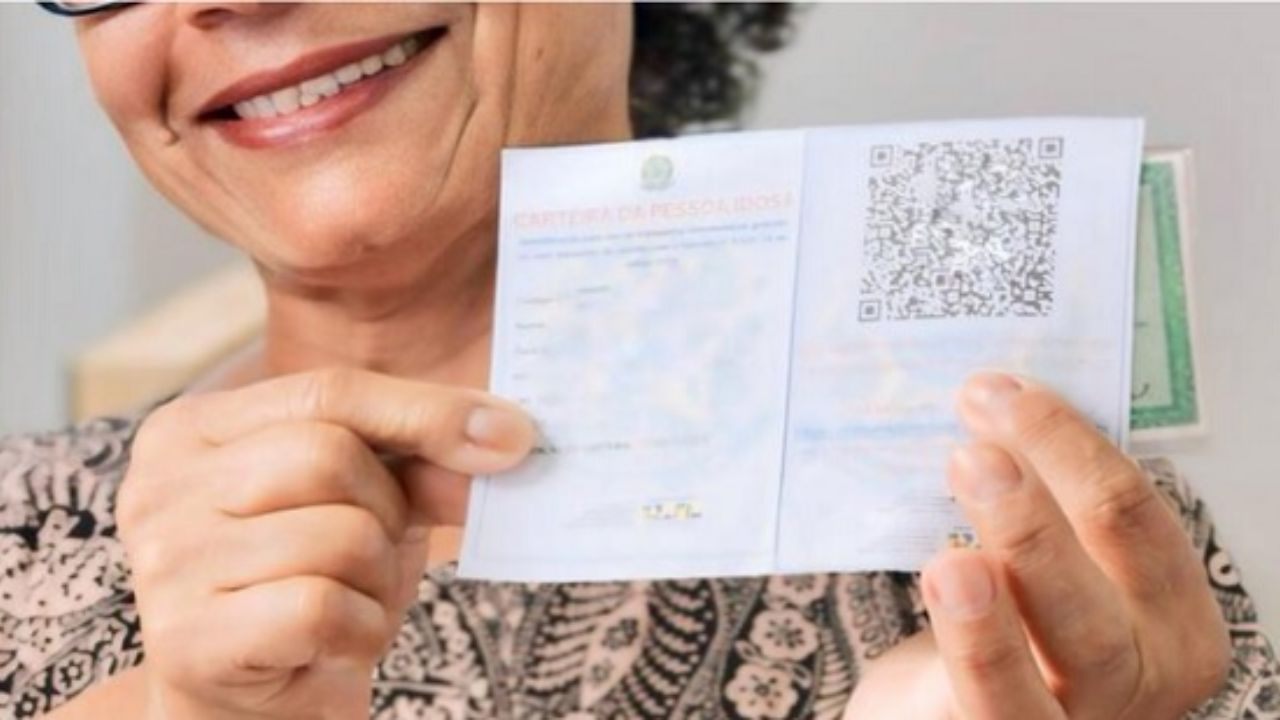
You can generate the card online and store it digitally, saving time and reducing visits.
If you cannot use digital services, in-person support can lead to the same result with documents. Issue the card before travel day so booking does not become an emergency.
Applying Through Government Services With A Gov Account
Access the official service and log in with your gov.br account to request the card. The platform checks your CadÚnico status and, if eligible, generates a card you can download or print.
If your record is not found, update CadÚnico first, because retries do not fix missing data. Save the file and keep a printed copy for terminals that prefer paper.
What To Do If You Need Help At CRAS Or Social Assistance
CRAS is the key support point when you need CadÚnico updates or lack reliable internet access. Bring CPF, photo ID, and any documents requested for the update so the process can be completed quickly.
Ask staff to confirm your registry is updated and consistent for card issuance and ticket validation. After processing, issue the card online or request a copy for travel.
How To Check Status And Get A Digital Version To Use
After issuance, review the card details and confirm they match your photo ID exactly. Store the digital version so you can open it offline in low-signal areas, since terminals often have weak signals.
Some systems allow QR code validation, helping staff quickly confirm authenticity during busy boarding times. If you update CadÚnico later, recheck the card and keep the newest version available on your phone.
How To Use The Benefit When Buying Or Reserving A Ticket
The card helps, but you still need to request the ticket correctly to receive the benefit. Arrive early, ask for the free seat first, and move to the discount request only if the quota is unavailable.
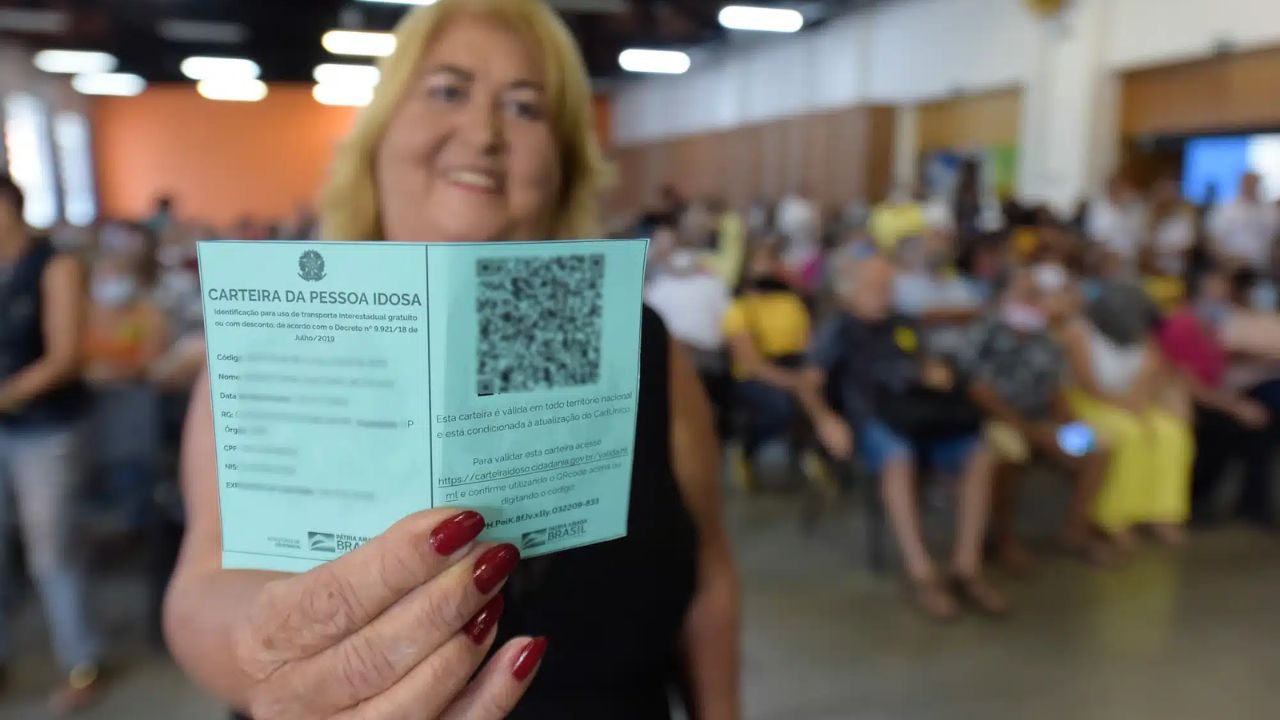
Keep receipts and responses, because proof drives quick resolution when problems occur. A consistent routine protects your time and reduces the risk of paying full fare.
Booking Deadlines And What To Request At The Counter
Do not wait until the last hour, because carriers can require advance requests for the senior ticket. Earlier is safer for trips because availability can change quickly.
At the counter, ask for the senior travel ticket, confirm the service type, and ask for confirmation if seats are unavailable. A one-day-ahead request reduces stress and disputes.
What To Do If Free Seats Are Taken And You Need The Discount
If the free seats are gone, request the discount ticket and confirm the price before paying. Ask for a receipt showing the discounted fare, because verbal assurances do not protect you.
If staff say the discount does not apply, ask whether the service is interstate and regular, since classification matters for eligibility. If denial continues, request the refusal reason in writing and keep it.
How To Respond If The Company Refuses Or Creates Barriers
If a company refuses, stay factual and document the situation instead of arguing at the counter. Note the route, date, time, service type, and staff name, then keep receipts and any refusal message.
Contact consumer protection channels and explain that you requested the protected senior fare correctly. Evidence drives corrections and helps you avoid the same barrier on your next trip.
Conclusion
The Carteira da Pessoa Idosa can protect your travel budget, but it works best when you align route type, eligibility, and timing. Issue the card after your CadÚnico record is updated, then store a digital and printed copy with your photo ID.
When you book, request the free seat first and move to the discount option only if the quota is filled. If you face refusal, document the facts and escalate through consumer channels, because evidence drives corrections.