

The Wise Card stands out as an innovative option for those who often need to spend or move money across different currencies.
It’s become a popular choice for digital nomads, frequent travelers, freelancers, and people working with remote or international teams.
If you’re curious about secure, cost-effective international spending, this guide is likely to answer most of your questions about how the Wise Card works, who it’s for, and whether it fits your needs.
What Is the Wise Card?
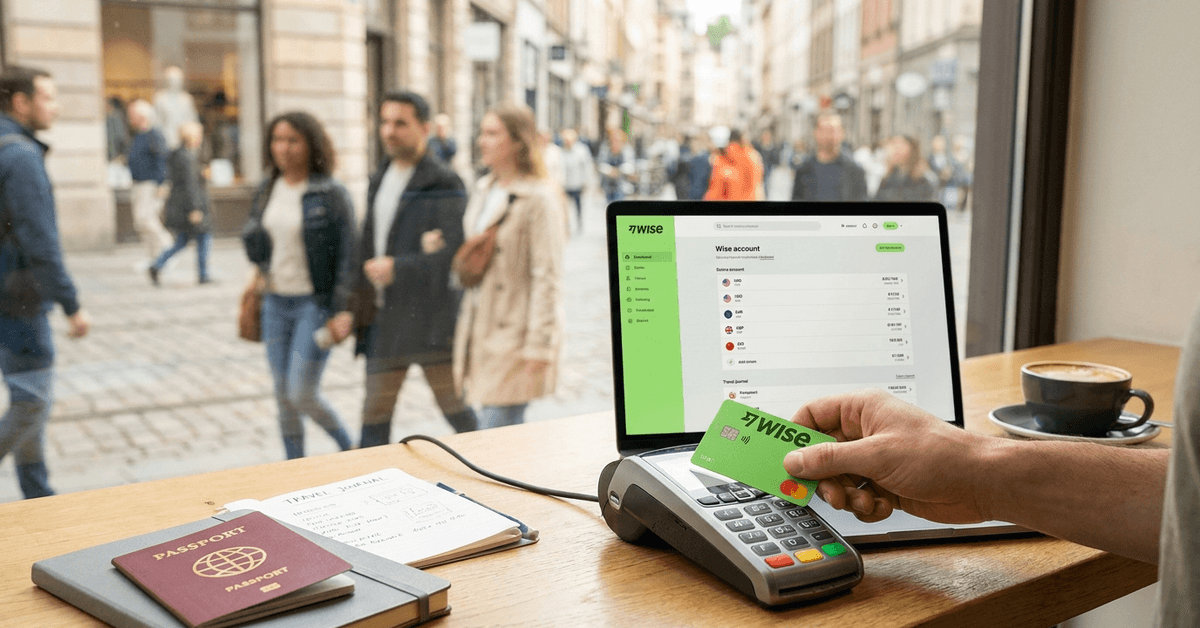
The Wise Card is a debit card linked directly to the Wise multi-currency account. Unlike traditional bank cards, it allows you to hold, convert, and spend money in many different currencies simultaneously.
This works without requiring a local bank account in each country—something that’s a bit of a game-changer, especially for those who travel or work globally.
Perhaps one of the card’s most talked-about features is its transparent fee structure. There’s real value in knowing what you’ll pay each time you spend.
Key Features of the Wise Card
Certain features set the Wise Card apart from traditional credit and debit cards, especially when it comes to international use. Some might find this especially useful when crossing borders or making payments in unfamiliar currencies.
Hold and Spend Multiple Currencies
With the Wise Card, you can keep money in over 50 currencies in a single account. If you’re someone who likes to plan ahead, having different currencies for upcoming trips or payments makes life easier.
Real Exchange Rates
Wise claims to always use the real mid-market exchange rate. In practice, this means less hidden markup compared to what some other providers charge when doing currency conversion. Not every company does this honestly.
Instant Currency Conversion
If you don’t have enough in a certain currency, Wise will automatically exchange from your other balances at the best available rate. Sometimes I wonder if more banks will eventually offer this.
Global ATM Access
Withdraw cash from ATMs worldwide, although there are free limits before extra fees start to apply. This is good for budget-conscious travelers, though the limits might make you change how often you take out cash.

Security Features
Freeze and unfreeze the card instantly via the Wise app. This is handy if you ever misplace it or worry about fraud. There are additional features like notifications for every transaction, PIN changes, and even temporary card details for online purchases.
Advantages of Using the Wise Card
There are plenty of reasons why some people consider the Wise Card a worthwhile tool for international finances. But, as with all financial products, what’s helpful for one person might not suit another.
Lower Conversion Fees
Compared to some major banks or credit cards, Wise typically charges a lower, transparent conversion fee. Sometimes it feels like a relief to avoid unexpected charges after your trip.
No Foreign Transaction Fees
There’s usually no separate "foreign transaction fee" when you spend abroad, which can make small everyday purchases less stressful. That said, the mid-market rate and fee approach may still result in some costs—but you typically know exactly what they are.
Easy Account Management Online
Manage your balances, latest transactions, and card controls all through an online dashboard or mobile app. For people used to mobile-first services, it feels natural, though not having in-person support may not work for everyone.
Useful for Freelancers and Remote Workers
Receive payments in various currencies with your Wise account, then easily access that money using the Wise Card. If you’re being paid by clients or employers in the US, UK, or EU, the process feels almost seamless—although waiting times can vary a bit.
How Does the Wise Card Work?
The Wise Card operates somewhat like a regular debit card, with the added bonus of low-cost international transactions. The spending process is familiar: use it in-store, online, or at ATMs, and funds come directly from your Wise account.
Sign Up and Order
After opening a Wise multi-currency account—available in many countries—you can order the card through Wise’s website or app. There's usually a small issuance fee, but no recurring monthly charges just for keeping the card active.
Top Up and Conversion
Add money to your Wise account using bank transfer, debit card, or other supported methods. You can then convert balances into different supported currencies within the platform. This process is quick, though there are occasionally bank-side delays.
Spending and Withdrawing
When making a payment or ATM withdrawal, Wise automatically deducts the relevant funds. If the balance for that specific currency runs low, Wise converts from another one, applying its standard fee. The app sends alerts for each transaction, which adds peace of mind.
Who Can Benefit the Most?
The card’s strongest appeal probably lies with people who don’t want to open a new bank account every time they visit a new country. A few typical user scenarios include:
- Travelers wanting quick access to local currency and online booking safety
- Expats managing ongoing payments in different countries
- Freelancers and remote workers being paid from overseas clients or companies
- Online shoppers buying from international websites with better rates
Of course, traditional bank cards sometimes offer perks like lounge access or specific rewards, so the Wise Card isn’t always a replacement. It’s more about efficient money management than luxury travel extras.
Limitations and Considerations
Wise’s approach to cross-currency spending might suit many but it’s not perfect for everyone. There are a few points to keep in mind about how the card works:
ATM Limits and Fees
Your first few ATM withdrawals each month are free (the exact number depends on your country), but after that, fees apply. Higher-fee ATMs can add unexpected costs. Budgeting matters here.
Not a Credit Card
The Wise Card is a debit card, so you can only spend what’s actually in your Wise account. It doesn’t help build credit history, nor does it offer purchase protection like some credit cards. For large or protected purchases, this is something to consider.
Country and Currency Coverage
While extensive, Wise doesn’t cover every country or currency. Before relying on it for a specific trip or payment type, checking the current list of supported locations helps avoid trouble.
Wise Card vs. Alternative Solutions
There are several other financial tools for multi-currency spending, but the Wise Card has certain distinctions. Some users compare it to Revolut, N26, or even PayPal’s debit card, but the specific fee structure and multi-currency options differ.
- Revolut: Offers crypto, metal cards, and cashback, but its free plan exchange fee structure is different.
- N26: Primarily a digital bank, does not always cover as many countries for non-residents.
- Traditional banks: International fees are often higher, with less transparency.
The right choice can depend on priorities—like frequent travel, online spending, or receiving freelance payments. Sometimes a combination of cards makes the most sense.
Is the Wise Card Safe to Use?
Wise implements security measures similar to major banks, including two-factor authentication, app-based controls, and card freezing.
Cards are issued through partners such as Mastercard or Visa, so you get global recognition without a need for extra registration at most shops.
Wise has regulatory approvals across multiple regions, including the UK’s Financial Conduct Authority (FCA).
Still, it’s smart to regularly review all transactions, as with any bank or card account. Security isn’t just about technology—it involves a bit of common sense and vigilance, too.
How to Maximize the Wise Card’s Value?
Sometimes, small changes save the most money. To get the most from the Wise Card experience, a few points regularly come up among users:
- Convert larger sums at once to lock in favorable rates in advance
- Avoid unnecessary ATM withdrawals after hitting the free limit
- Keep notifications enabled for instant alerts about every payment
- Use virtual card numbers for online shopping, especially on new websites
- Track expiration and consider a backup card when traveling
Paying attention to minor details can make everyday transactions easier. Although certain features might change as Wise updates its offerings, staying informed helps maximize value.
Tips for Using the Wise Card Wisely
The Wise Card can be most useful when you plan currency use, monitor fees, and keep your account secure.
- Check supported currencies.
- Convert money in advance.
- Watch ATM limits.
- Enable transaction alerts.
- Use virtual cards online.
- Keep a backup card.
Conclusion
The Wise Card can be a practical option for travelers, freelancers, expats, and remote workers who manage money across currencies.
Its transparent fees, multi-currency account, and real exchange rates may help reduce common international spending costs.
However, ATM limits, country coverage, and the fact that it is not a credit card should be considered. Used carefully, it can make global spending simpler, safer, and more predictable.