

The rise of digital payment cards has transformed how people spend internationally. For frequent travelers, digital nomads, students studying overseas, or anyone who often buys from global sites, finding the right card can make a real difference.
Beyond just convenience, the best digital cards can help manage budgets, reduce currency fees, and offer added security – sometimes even peace of mind.
So, what options are available, and what should stand out when comparing them for worldwide use? Let’s explore. Some experiences may surprise you, and maybe, what works best isn't always what’s most advertised.
Why Choose a Digital Payment Card for International Use?
For anyone curious about digital cards, there’s a practical angle: traditional banks aren’t always flexible or affordable for cross-border shopping or travel.
Perhaps you’ve noticed high fees, or long waits after a lost card abroad. Occasionally, accessing your own funds feels more complicated than it should be. Digital payment cards step in to bridge those gaps.
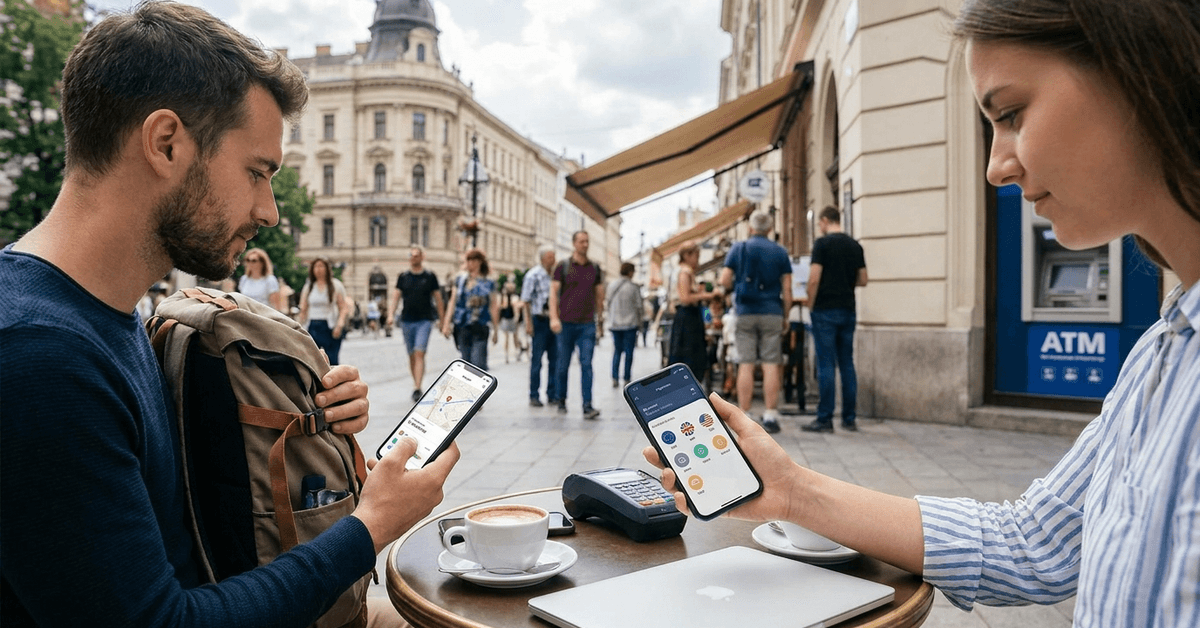
Worldwide Acceptance and Convenience
Generally, digital cards are built for flexibility; most run on big networks like Visa or Mastercard, but there are other regional options too.
You can often use them wherever you see those logos— from cafés in Spain to webshops in Japan. It’s rarely seamless everywhere, but coverage is wide enough to feel almost universal. In a pinch, a mobile wallet backup is handy.
Improved Security and Control
One subtle advantage might be peace of mind: digital cards often feature robust app security, instant freezes, and disposable card numbers.
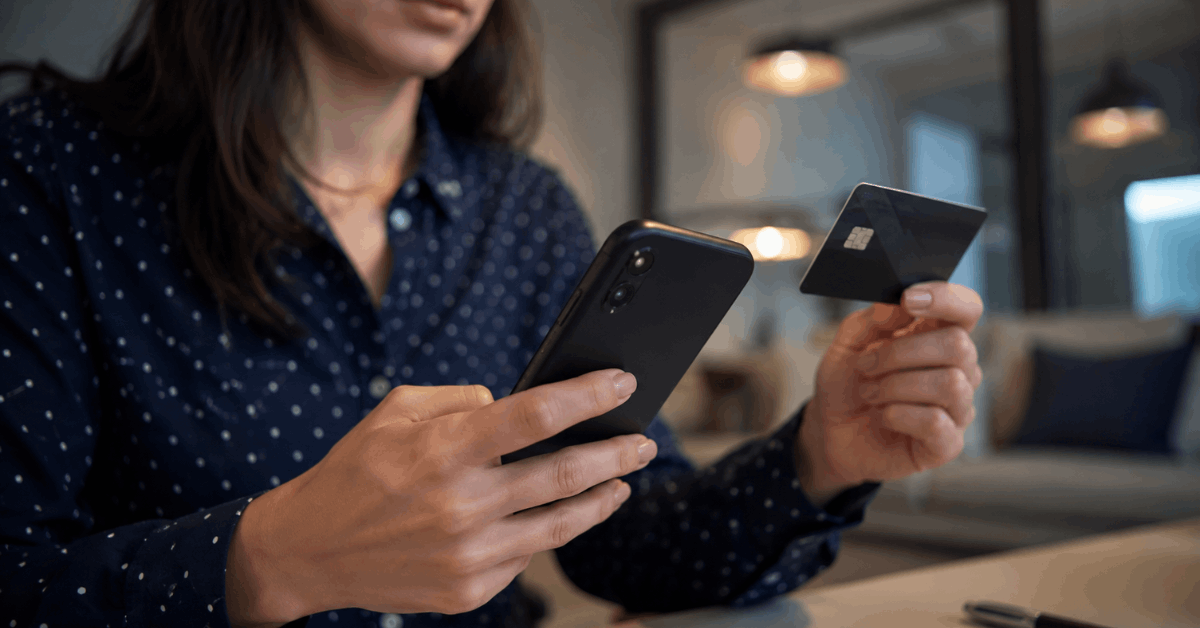
If something goes wrong—a card is misplaced or data gets compromised—the risk is more manageable. Not to say it replaces vigilance, but small controls make big differences abroad.
Transparent Fees and Real Exchange Rates
Traditional banks or credit cards may not always show real costs upfront. Digital cards, on the other hand, tend to prioritize clear exchange rates and transparent fees.
A few services even use the mid-market rate for conversions, which, in the long run, can add up to notable savings. For heavy spenders or occasional travelers, small margins count.
Key Features to Look for in International Digital Payment Cards
Choosing a digital card isn’t just about brand popularity. Some important features crop up across the most trusted options—although it’s difficult to claim one card “has it all.” What counts as a priority can change, depending on your travel style or shopping habits.
Multi-Currency Support
Having the flexibility to hold, receive, or pay in multiple currencies can mean less hassle with tricky conversions.
Some digital cards offer several local wallets; others keep it simple with auto-conversion. In practice, it feels handy for both planned and spontaneous spending.
Fee Structure and Limits
On the surface, every card claims to have low fees. However, checking the fine print—ATM withdrawal charges, conversion premiums, monthly costs—might reveal differences.
Daily or monthly withdrawal limits can also affect convenience. Sometimes, the lowest advertised fee isn’t always the best value once extra costs surface.
App Experience and Customer Service
A smooth mobile app, instant card controls, and responsive support are clearly valuable abroad.
In some cases, it’s the app experience that makes or breaks how useful the card feels. Just being able to freeze or replace a card remotely makes things less stressful in unfamiliar places.
Integration with Digital Wallets
Those who rely on Google Pay, Apple Pay, or Samsung Pay might notice that not all digital cards are compatible with every wallet.
If contactless payments and smartphone management are important, compatibility checks matter. And, truthfully, it’s nice not to always carry a physical card.
Top Digital Payment Card Providers for International Use
A few names tend to come up repeatedly for cross-border spending, though new services launch regularly.
These are examples with a broad user base, robust security, and a generally international focus. It’s not a definitive list—features shift fast—but these tend to stand out:
Wise (formerly TransferWise)
Wise is widely recognized for its multi-currency account features and mid-market exchange rates. It’s easy to use globally, and especially effective for anyone who earns, spends, or receives payments in different currencies.
Cardholders have access to local account details in several regions, making transfers cheaper and more transparent. Usage is straightforward, with very competitive conversion fees.
Revolut
Revolut’s popularity has grown due to its flexible app, easy top-ups, and ability to spend in dozens of currencies. Users enjoy real-time exchange rates and in-app budgeting tools.
Some plans come with fee-free ATM withdrawals and attractive cashback offers. However, as with many fintech providers, always check plan tiers and potential extra costs for high usage or currency exchanges outside of fair use limits.
N26
N26 focuses on modern banking with strong security and a globally accepted Mastercard. The app is intuitive, offering instant spending notifications, travel insurance on some plans, and options for savings objectives.
ATM fees and cross-currency conversions depend on the specific tier (free or paid). Perhaps the standout here is customer service, which many say feels more responsive than larger banks.
Curve
Curve operates a bit differently. It lets users link multiple accounts or cards and spend from any of them using one Curve card. For travelers managing business and personal expenses, this can simplify tracking.
Curve also offers fee-free currency exchanges within certain limits, though outside those, a small fee applies. The app can get complicated, but for some, it makes management easier.
Monzo
Initially aimed at UK users, Monzo has built a solid global following. The MasterCard debit card is accepted worldwide, and the bank offers useful notifications, freeze features, and budgeting tools.
While not as focused on multi-currency as Wise or Revolut, Monzo is a favorite among younger travelers for its practical spending insights. ATM withdrawal limits apply—good for budgeting, less so if you need frequent cash access.
How to Choose the Right Digital Payment Card for Your Needs?
Honestly, it’s rare for a single card to work perfectly everywhere. Preferences tend to shift. Sometimes, priorities change midway through a trip: one month, low ATM fees matter most; the next, quick top-ups or app alerts are more critical.
Taking a moment to consider your actual habits before applying is helpful—perhaps even eye-opening.
Consider Your Primary Use Case
The right digital payment card depends on how and where you plan to use it. Start by matching card features to your travel, work, or everyday spending habits.
- Frequent traveler hopping between regions: prioritize broad acceptance and multi-currency support.
- Remote worker or digital nomad: flexible top-ups and cross-region banking matter.
- Occasional tourist: check for low one-off fees and an easy-to-use app.
Evaluate Limits and Fine Print
Beyond advertised rates, limits on monthly withdrawals, hidden conversion fees, or inactivity charges can all influence the best choice. Some terms may change quickly based on region or regulatory rules, adding a bit of unpredictability.
Assess Security and Support Options
It’s comforting to have access to instant chat support or phone assistance, especially in emergencies abroad.
Frequent travelers sometimes underestimate how much a lost or locked card can disrupt plans. Apps with biometric login or instant card freezing features offer added protection.
Potential Challenges and How to Minimize Them
Every solution has its limitations. Even the most recommended cards face hiccups: a merchant denying digital payments, local network outages, or regulatory quirks in less common destinations.
It’s worth keeping expectations flexible, carrying more than one payment method, and having emergency backup plans. That said, each challenge is an opportunity to double-check habits and expectations.
Regulatory and Compliance Issues
Some digital banks limit access based on your citizenship or residence. If planning a move or longer stay, it might be worth confirming continued service or eligibility in your next country. Terms do change, sometimes without much notice.
Access and Top-Up Methods
It’s common to run into local challenges with funding your card—some top-up methods may not work everywhere.
Linking directly from your primary bank, or using an international money transfer service, generally offers the most seamless experience. Not perfect, but fairly reliable for most users.
Merchant Acceptance
Despite widespread coverage, there are still regions or stores preferring cash or only accepting cards from local banks.
Shops in smaller towns, for example, might not always recognize foreign-issued cards. In those cases, carrying a small amount of local currency alongside your digital payment card can serve as a useful backup.
Best Practices for Using Digital Cards Abroad
Perhaps the learning curve isn't steep—but there are simple steps that improve both security and value.
For instance, frequent monitoring of transactions via the app can help spot unauthorized activity sooner. Using two-factor authentication, keeping card details off public Wi-Fi, and not relying solely on one card are smart habits.
- Enable transaction notifications for every purchase
- Activate instant freeze for lost cards
- Keep customer service contacts handy, just in case
- Choose local currency at point of sale when offered
- Periodically review and update passwords
Tips for Choosing an International Digital Payment Card
Comparing features before you apply can help you find a card that matches your travel and spending habits.
- Compare currency fees.
- Check ATM limits.
- Enable app security.
- Carry a backup card.
- Review exchange rates.
- Monitor transactions regularly.
Conclusion
Digital payment cards can make international spending more convenient, secure, and cost-effective for travelers, remote workers, and online shoppers.
Comparing fees, currency support, security features, and app functionality is essential before choosing a provider. Since no single card fits every situation, selecting one that aligns with your financial habits and travel needs is the best approach.
With careful planning and responsible use, a digital payment card can simplify everyday transactions around the world.