

The Supplemental Nutrition Assistance Program (SNAP) helps older adults manage rising grocery expenses. Limited retirement income can make nutritious food harder to afford.
This guide explains senior eligibility, application steps, and approved purchases. It also covers simplified applications, common challenges, and frequently asked questions.

Why SNAP Benefits Matter for Seniors
Food costs can strain household budgets when retirement income remains relatively fixed. SNAP provides additional purchasing power that may reduce pressure from housing costs, utility bills, prescription expenses, and other necessities.
Helps Stretch Your Food Budget
Eligible households receive monthly benefits through an Electronic Benefit Transfer card issued and managed by state agencies.
This EBT card works at participating stores for approved groceries, although it cannot withdraw SNAP benefits as cash. The assistance supplements existing food spending rather than replacing an entire household budget or covering other bills.
Improved Nutrition and Wellbeing
SNAP can make vegetables, fruits, proteins, and other nutritious foods more affordable. Reliable grocery access helps older adults plan regular meals while managing limited resources.
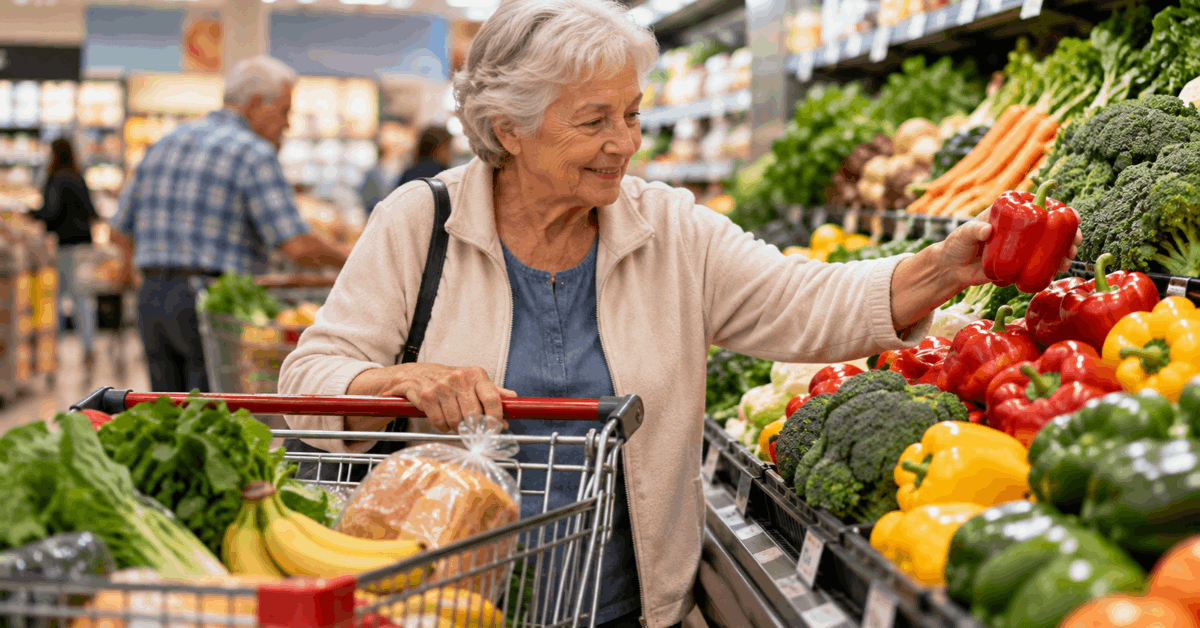
Individual health outcomes vary, but consistent access to appropriate food supports general wellbeing and regular meal planning.
Basic SNAP Eligibility for Seniors
SNAP evaluates age, household composition, income, and available resources when determining eligibility. Special rules recognize certain medical and financial circumstances affecting older adults, including significant out-of-pocket healthcare expenses.
Age and Residency Requirements
For SNAP purposes, an individual is considered elderly at age 60, even if they have not retired from work. Applicants must live in the state where they apply and satisfy current citizenship or qualifying immigration rules.
Simply having legal residency does not necessarily establish eligibility under current noncitizen restrictions.
Income Limits for Seniors
SNAP considers wages, Social Security, pensions, and other countable income. Households containing an elderly member generally face a net income test, with permitted deductions reducing the amount assessed.
Unreimbursed medical expenses exceeding $35 monthly may qualify for a deduction, while income thresholds change annually.
Resource Limits
Depending on state rules, savings and certain assets may count toward resource limits. A primary home and most retirement plans are generally excluded, although distributions may affect calculations.
Households with an elderly member may receive a higher resource allowance, and state policies sometimes offer additional flexibility.
Work Requirements for Seniors
Adults aged 60 and older are exempt from SNAP's general work registration requirements. However, adults aged 60 through 64 may face separate time-limit requirements unless another exception applies.
Adults aged 65 or older are outside that time-limit age range, so younger seniors should confirm individual circumstances.
How to Apply for SNAP Benefits as a Senior
Applications are handled by state agencies, with available methods varying by location. Preparing accurate paperwork beforehand can help prevent avoidable processing delays during reviews.
1. Gathering Your Documents
State offices may request documents verifying your identity, finances, and household circumstances, including proof of ongoing benefit payments. Requirements differ, so applicants should confirm which records their caseworker actually needs.
- Proof of identity, age, and current address
- Residency evidence, such as a utility bill
- Social Security letters, pension statements, or other income records
- Medical bills and proof of unreimbursed expenses
- Bank statements or other requested resource information
2. Where and How to Apply
Each state manages its own application process through a SNAP office. Many states accept online forms, mailed applications, and in-person submissions, while some also provide telephone assistance.
You can locate your agency through the official USDA state directory and follow its application instructions.
3. Interview and Verification
Applicants usually complete an eligibility interview, often by telephone. A caseworker may request clarification, verify records, and explain any outstanding steps before issuing a decision.
Seniors facing mobility or health barriers can ask about accommodations, authorized representatives, or applicable interview procedures.
What Seniors Can Buy with SNAP
EBT benefits are accepted by authorized supermarkets, neighborhood grocers, and some farmers markets. Most eligible products are intended for household food consumption rather than nonfood purchases.
Eligible Foods
SNAP covers a broad selection of grocery staples and fresh ingredients. Availability depends on participating retailers and relevant state purchasing restrictions.
- Bread, rice, cereal, and other grains
- Fresh, frozen, or canned fruits and vegetables
- Milk, cheese, yogurt, and other dairy products
- Meat, poultry, fish, and suitable alternatives
- Seeds and plants intended to grow food at home
Items Not Covered
Benefits cannot purchase most household supplies or other nonfood products. Certain restaurant meals are permitted only through approved exceptions for eligible participants.
- Hot prepared foods, except under qualifying program exceptions
- Alcoholic beverages and tobacco products
- Cleaning supplies, toiletries, vitamins, and medicines
Simplified SNAP for Seniors: The Elderly Simplified Application Project (ESAP)
Participating states may offer ESAP to qualifying households generally consisting of adults aged 65 or older without earned income.
The program can simplify forms and verification, waive certain recertification interviews, and extend certification periods, but availability and eligibility depend on state approval.
Common Challenges and How to Manage Them
Complicated forms or unfamiliar technology may discourage otherwise eligible seniors from applying. Local assistance organizations, trusted relatives, and state agencies can help explain requirements and available support.
Dealing with Application Rejection
A denial may result from missing documentation, income calculations, or other eligibility issues. Applicants can review the written decision and submit additional information when the agency allows it. If they disagree, they may request a fair hearing within the applicable deadline.
Frequently Asked Questions About SNAP and Seniors
Several concerns involve savings, assistance from relatives, and other benefits. Answers depend on household circumstances and applicable SNAP rules.
Does having savings or a retirement account make you ineligible?
Not necessarily, because many retirement accounts and primary residences receive special treatment. Countable bank balances may still affect eligibility where asset tests apply. State rules and categorical eligibility policies can change how resources are assessed.
Can someone else help me apply or use my benefits?
Yes, an applicant may designate a trusted person as an authorized representative. That person can help submit information or make approved food purchases under state procedures. Choose someone dependable, because protecting personal details and EBT benefits remains important.
Does SNAP count as taxable income?
SNAP assistance is generally not taxable as income under federal rules. Receiving SNAP also does not itself eliminate eligibility for Social Security or Medicare. However, each benefit program has separate rules, so report required changes accurately.
Conclusion
SNAP can help qualifying seniors afford essential groceries while managing limited income. Eligibility depends on household finances, state procedures, and applicable exemptions.
Collecting documents and contacting the appropriate office makes applying more manageable. Understanding purchase limits and appeal rights helps older adults use available assistance confidently.