

Online shopping is second nature for many of us now, but so is the risk of digital fraud. That’s where virtual credit cards come in. These digital-only cards add a layer of privacy and control, so it’s not just convenience—it’s peace of mind.
For anyone who shops online regularly, understanding your best virtual credit card options could be a real game-changer.
Not just for tech enthusiasts but for cautious buyers, freelancers managing expenses, or even parents trying to help teens shop more safely.
What Are Virtual Credit Cards and How Do They Work?
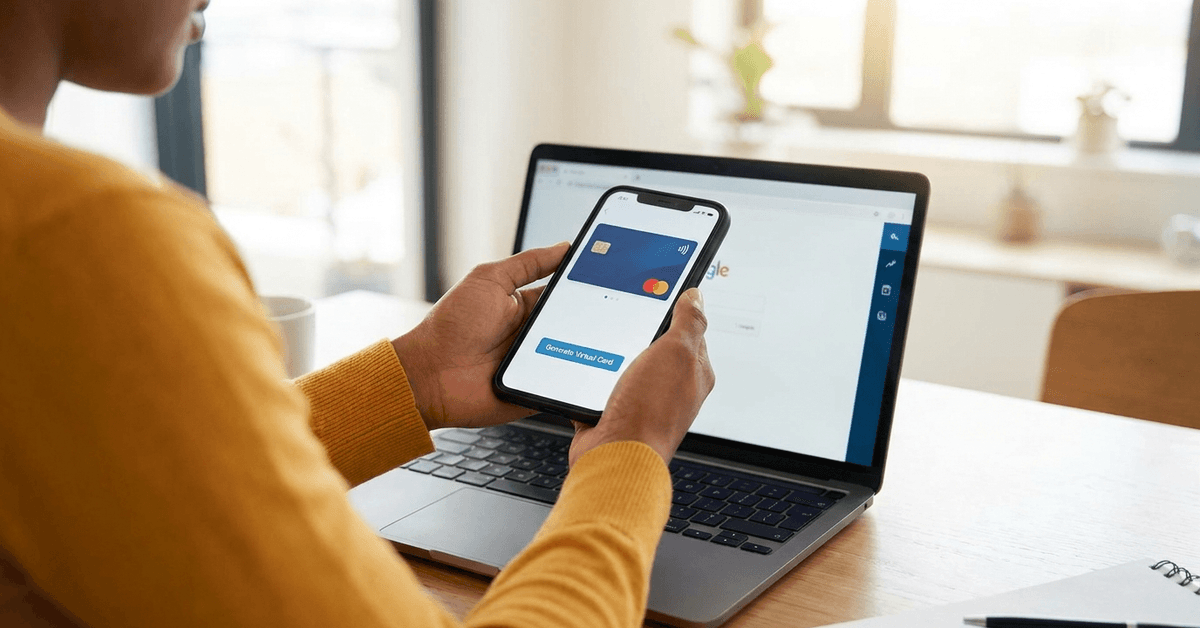
Virtual credit cards are digital payment cards that you can use online or by phone—without carrying a physical card around. They’re typically issued by major banks or fintech companies as a temporary set of card numbers tied to your real account.
Each virtual number is either single-use or valid for a short time. If it gets stolen or misused, you simply deactivate it, and your actual card details remain secure.
Benefits Over Physical Cards
With a virtual card, your main account’s information isn’t exposed when making purchases. This helps prevent data theft during online transactions.
Some services also let you control spending limits or lock cards instantly. That minimizes damage if things ever go wrong.
When to Use Virtual Cards
While virtual cards shine in online shopping, many people find them useful for free trials, travel bookings, or whenever an extra layer of privacy is wise.
Perhaps it’s less obvious, but freelancers and small business owners increasingly use them to separate work purchases or subscriptions.
Why Consider Virtual Cards for Online Shopping?
It’s not about being paranoid—but being cautious pays. Online stores don’t always have foolproof security. By using a virtual credit card, you’re less exposed if a shop suffers a data breach.
There’s also the comfort of instant controls, such as quickly freezing your card or preventing unwanted recurring charges.
Enhanced Control and Security
Most platforms give control features. For example, some will let you:
- Set monthly or single-purchase spending limits
- Create cards that automatically expire
- Turn off or delete a card number at any time
These settings can create a mental buffer. You’re less stressed about forgetting a subscription or giving out card details to less-than-trusted retailers.
Mitigating Fraud and Unauthorized Charges
If someone grabs your virtual card number, the damage is typically limited. Since the virtual card isn’t linked directly to your bank account, fraudsters can’t drain your entire balance. Plus, many virtual card issuers monitor for suspicious activity in real time.
The Best Virtual Credit Cards for Online Shopping
The market for digital payment solutions grew rapidly—and so did the choices. What’s considered “best” often depends on specific needs, so it may not be a one-size-fits-all answer. Still, a few options stand out based on features, customer reviews, and ease of use.
1. Revolut
Revolut offers instant virtual cards for all account holders. Their cards can be generated in the app and used anywhere Mastercard or Visa are accepted.
One-time use cards regenerate after every transaction, which is especially helpful if you shop on a wide range of platforms.
2. Wise (formerly TransferWise)
Wise provides virtual cards linked to your multi-currency account. Frequent online shoppers who buy internationally may benefit from lower conversion fees. Controls are clear and simple, which is always a plus for peace of mind.
3. Capital One Eno
Eno is Capital One’s virtual assistant, which generates merchant-specific card numbers for you. If a number gets compromised, it only affects purchases at that store. Many people like this niche focus, especially for single retailers or subscription sites.
4. Privacy.com
This independent service lets users create virtual cards with unique names, spending limits, and expiration rules—even for single use. Privacy.com has become popular with privacy-minded consumers who want absolute control and full transparency.
5. American Express Virtual Card Numbers
American Express allows cardholders to generate virtual numbers for their accounts through the Amex app or website. Some features may vary by market, but the ability to quickly replace numbers and keep the real card hidden is a useful extra.
How to Choose the Right Virtual Credit Card for Online Shopping?
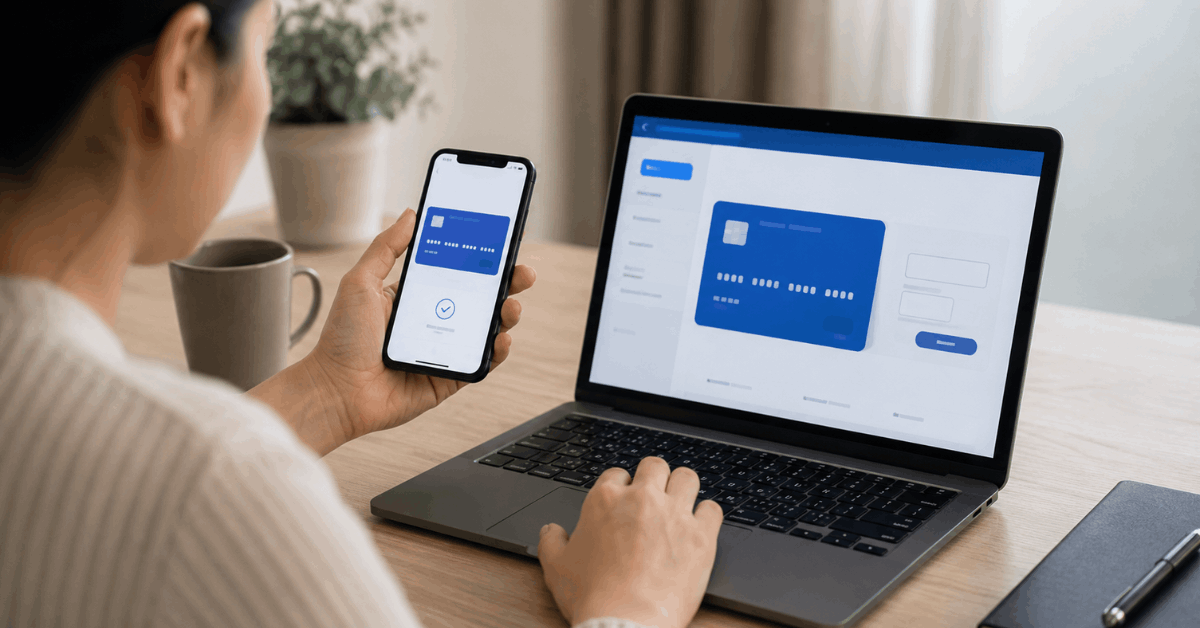
Not everyone’s online shopping habits look the same, so the "best" card depends on your priorities. Features, fees, and compatibility can vary.
Maybe security is all you care about. Or perhaps ease of management matters more. It’s useful to pause and consider:
Checking Compatibility and Coverage
Look for cards accepted globally (usually via Mastercard or Visa networks). This is important if you shop at international retailers. It’s surprisingly easy to overlook until you hit a roadblock at checkout.
Assessing Fees and Limits
Some virtual cards come with monthly fees or transaction costs. It’s not always clear at first glance. Checking these in advance saves future headaches—especially for frequent users or businesses with recurring payments.
Reviewing Control Features
Features like instant card locking, easy replacement, and granular spending controls can be essential. Some providers also let you create multiple cards for different services, which helps if you juggle lots of subscriptions.
Tips for Safer and Smarter Use of Virtual Credit Cards
Adopting virtual cards is a good bet, but some everyday habits can also help. While none of this is a guarantee (no system is perfect), practical steps can reduce your risk even further.
Regularly Monitor Your Transactions
It’s wise to check your account periodically. Not just for fraud—but for unwanted charges that can slip through. Most providers have instant notifications to make this easier.
Update Cards for Your Main Recurring Payments
When using virtual cards for subscriptions, update your details if a card expires or you delete an old one. That helps avoid service interruptions, which can be an unexpected hassle.
Avoid Sharing Card Info Directly
Whenever possible, type card details rather than copy-pasting or storing numbers in browsers. This simple habit may prevent accidental sharing or caching in unexpected places.
Are Virtual Credit Cards Safe for Everyone?
Generally, yes, they add another safety net—but they’re not foolproof. Some merchants, strangely enough, don’t accept virtual cards, especially for in-person pickups or government services.
That’s less common now, but still happens. Also, while virtual cards help with privacy, they don’t cover you if you share details over insecure internet connections.
Comparing With Other Payment Methods
Some people prefer using digital wallets, such as PayPal or Apple Pay, citing ease and protection. Virtual cards sit somewhere in between a standard card and a wallet.
They’re mostly about limited-use security and granular control. Depending on your shopping habits, you could reasonably use both.
Legal and Data Protection Considerations
Using virtual credit cards usually aligns with local regulations and bank requirements, but it’s worth checking the provider’s privacy policy.
Your data is generally safer with regulated banks or established fintechs, especially those compliant with GDPR or similar standards. If in doubt, reviewing user reviews or consulting with your bank can offer some reassurance.
Handling Disputes and Refunds
Refunds and chargebacks with virtual cards typically work the same as with physical cards, but there may be delays if you’ve deleted or replaced the card. Patience and good recordkeeping help smooth things out if you ever need to dispute a transaction.
Summary Table: Virtual Credit Card Comparison
A quick comparison table makes it easier to spot the right option at a glance. Focus on fees, ideal use cases, and security features before choosing a virtual credit card provider.
| Provider | Best For | Fees | Special Features |
|---|---|---|---|
| Revolut | General online shopping | Usually free, with account | Automatic card regeneration |
| Wise | International buyers | Low, transparent fees | Multi-currency support |
| Capital One Eno | Store-specific purchases | Free for cardholders | Merchant-specific numbers |
| Privacy.com | Privacy-focused users | Free (personal use), premium plans | Advanced spending controls |
| Amex Virtual Card | Registered Amex users | Varies by account | Quick card rotation |
Conclusion
Virtual credit cards can add useful privacy and security when shopping online. They help protect your real card details while giving you more control over spending and recurring payments.
However, it is still important to choose trusted providers and monitor transactions regularly. Used wisely, virtual cards can make digital purchases safer, easier, and less stressful.