

Managing money internationally has become more common—whether for travelers, freelancers, or those with family abroad. But bank fees and hidden charges can cut into what you send or receive.
That's where the Wise Account comes in. This article will explore the features, benefits, and workings of Wise, showing who it’s really for and why so many now choose this platform for cross-border payments.
What Is a Wise Account?
The Wise Account, formerly known as TransferWise, is a multi-currency online account. It lets users hold, send, and receive money in over 50 currencies.
Unlike traditional banks, Wise focuses on transparency—real exchange rates, lower fees, and more control for the user. Some might call it a digital wallet, but it combines elements of a bank account and a payment platform, somewhat blurring the lines.
Main Features of Wise Account
Wise offers practical tools for people who manage money across different countries. Here are the main features that make it useful for international spending, transfers, and currency holding.
Multi-Currency Holding
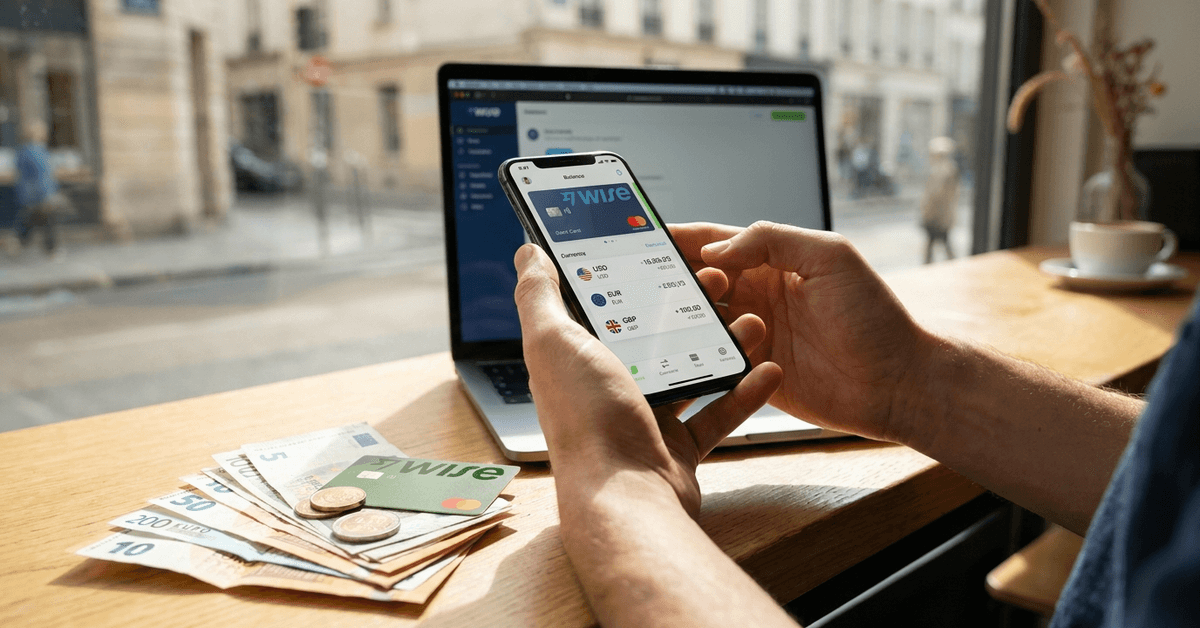
One notable feature is the ability to hold balances in many currencies at once. It’s possible to manage USD, EUR, GBP, JPY, and more, all from the same dashboard.
This is useful if you often transact across borders or spend time in different countries. Switching between your currencies inside Wise is straightforward, though some might say it takes a little time to get used to.
International Transfers with Real Exchange Rates
Wise offers transfers at the so-called "mid-market rate." Meaning, users get the actual exchange rate used by large banks and markets—without the typical markup.
That’s an area where some find it especially cost-effective, as it’s less likely you’ll lose money to hidden charges.
Personal and Business Accounts
Both individuals and businesses can use Wise. The business option gives features like mass payouts, batch transfers, and integration with invoicing tools.
Many freelancers experiment with Wise before their businesses officially register, but either account option supports international work.
Local Bank Details in Multiple Countries
With a Wise Account, you receive unique bank details for several regions—such as a US routing and account number or a UK sort code.
This means clients or employers can pay you like a local, so transfers arrive faster and often without extra costs.
Wise Debit Card
Users can request a physical or virtual debit card connected to their Wise balance. Spending abroad becomes simpler, as the card converts your money at the best available exchange rate—no extra bank fees tacked on. For some, this replaces a travel debit card or even their main card when overseas.
Security and Compliance
Security is central, though perhaps it's hard to feel 100% confident anywhere online these days. Wise is regulated by authorities in the UK, US, EU, and more.
Two-factor authentication, activity monitoring, and identity checks are part of their standard process. There have been occasional user complaints about KYC delays, though those are usually resolved through support.
Benefits of Using a Wise Account
A Wise Account offers several advantages for managing money internationally. Here are some of the key benefits that make it a popular choice for cross-border payments and transfers.
Transparent Pricing
Wise discloses its fees upfront, so you know what you’ll pay before confirming any transfer. There’s no guessing or surprise deductions. While competitors might market "zero fees," Wise’s cost structure is generally seen as more honest.
Access to Real Exchange Rates
This means no more losing value to currency markups. Perhaps this benefit is most obvious for those who routinely make cross-currency payments—like remote workers, students abroad, or expat families supporting home countries.
Convenience and Flexibility
Managing multiple currencies in one place has its clear perks. Sending money, paying international invoices, receiving salary, or even shopping abroad becomes less of a headache. You’re not forced to juggle several accounts or search for cheap transfer options each time.
Fast and Reliable Transfers
Transfers often complete in hours or even minutes, depending on the country pair. Delays do occur, usually if compliance checks kick in or local bank holidays slow things down. Generally, though, the process is faster than legacy bank wires.
Good for Digital Nomads, Freelancers, and Expats
Wise is especially handy for those who live, work, or travel across countries. Freelancers billing clients worldwide often mention how clients prefer local payment details—it’s less hassle for everyone involved.
Low Minimums, No Monthly Fees
You don’t have to maintain a balance or pay monthly charges just to keep the account open. There are some small fees for certain actions, but it’s possible to hold a Wise Account almost cost-free if you’re only using core features now and then.
How Does Wise Account Work?
Using a Wise Account is straightforward once it’s set up. Here are the main steps, from opening your account to sending, receiving, and spending money worldwide.
Opening an Account
The sign-up process is mostly digital and fairly quick. You provide personal or business information, verify your identity, and choose account preferences. After approval, you can add money, order a card, or generate local bank details for various countries.
Adding and Converting Money
Transfers into Wise can come from your regular bank or by card payment. Once the money’s inside, you convert it to whatever available currency you need, at the mid-market rate. Sometimes transfers can get delayed if extra verification is needed.
Sending and Receiving Payments
To send money, you enter the recipient bank details and currency. Wise shows the real exchange rate and all fees up front.
For incoming payments, you give clients or partners your Wise-issued local account details. Wise deposits the funds straight to your selected balance after any compliance checks.
Using the Wise Card Online and Abroad
The Wise card works like a standard debit card worldwide. Online purchases and in-person payments are debited from your preferred currency.
If you’ve used other travel cards, the process might feel instantly familiar. ATM withdrawals are possible but have fair usage limits, so it’s good to check those in advance.
Drawbacks and Limitations
Wise is useful, but it may not cover every banking need. Here are some limitations to review before using it as your main money account.
Not a Full Replacement for Banking
While Wise covers many needs, it’s not a universal bank substitute. There’s no overdraft, credit options, or extensive lending products. Some users mention wishing for more robust bill-payment features or savings options.
Limited Cash Access and Customer Service
ATM withdrawals are allowed, but there are limits. Also, Wise does not have branches, so all support is online. Some people prefer face-to-face troubleshooting, especially for larger sums or account problems.
Region Restrictions
Not all features are available in every country. Residents of some countries cannot order a Wise card, and local currencies may have more conversion rules. Always check what’s available for your location before relying on Wise for everything.
Comparing Wise to Other International Payment Options
Here’s a brief overview of how Wise stacks up against traditional banks and other digital competitors:
| Feature | Wise | Traditional Banks | Competitor Apps |
|---|---|---|---|
| Exchange Rate | Mid-market | Bank markup | Often marked up |
| Transfer Speed | Minutes-hours | 2–5 days | Varies |
| Transparency | High | Low | Medium |
| Supported Currencies | 50+ | 10–20 | 10–40 |
| Account Fees | Low-none | Monthly fees | Low to medium |
Who Should Consider a Wise Account?
Maybe you travel often or get paid from different countries. Wise is a top fit for digital nomads, freelancers, remote workers, expats, and international students.
On the other hand, those with only domestic needs may find little value in all the extra features Wise offers.
Legal and Safety Considerations
Using Wise across borders can involve financial rules and reporting duties. Here are key safety and compliance points to understand before relying on the account.
Regulation and Protection
Wise is licensed and regulated in all regions it operates. Customer funds are safeguarded and kept separate from company operational accounts.
While this provides transparency and compliance, Wise is not part of schemes like the UK FSCS or U.S. FDIC.
Tax and Declarations
If you earn or hold money across countries using Wise, you may need to declare those funds in home-country tax filings.
Wise issues transaction statements, but it doesn’t directly communicate with your tax agency. Some users consult accountants familiar with international digital accounts to stay compliant.
Popular Alternatives to Wise
Other services like Revolut, Payoneer, and PayPal also compete in this space. Each has its own pros and cons—often, people use several depending on current rates or feature needs.
For instance, Payoneer is strong for US-based freelancer payments, whereas Revolut has extended perks for EU customers.
Tips for Using a Wise Account
A Wise Account can be most useful when you understand its fees, supported currencies, and local account details before sending or receiving money.
- Check transfer fees first.
- Compare exchange rates.
- Use local account details.
- Review card availability.
- Track ATM limits.
- Keep tax records.
Conclusion
A Wise Account can help travelers, freelancers, expats, and remote workers manage money across currencies more easily. Its transparent fees, real exchange rates, and local account details make international transfers simpler than many traditional bank options.
However, Wise is not a full bank replacement and may have limits depending on your country. Used carefully, it can be a practical tool for safer, clearer, and lower-cost global money management.