
Traveling internationally comes with plenty of excitement and, honestly, more than a little concern about how to handle payments abroad.
For people who want fewer worries and better control over expenses, choosing the right travel card for international payments makes a real difference.
This article is suited for frequent travelers, digital nomads, students abroad, or just anyone who wants to avoid the common headaches of foreign transaction fees and less-than-ideal exchange rates.
Understanding Travel Cards for International Payments
Travel cards are a category of payment cards—usually prepaid, debit, or multi-currency cards—designed specifically for use outside your home country.
Their key appeal? Lower fees, convenience, and enhanced security compared to using your regular credit or debit cards abroad.
Perhaps most importantly, travel cards can help you keep track of spending in multiple currencies, reducing the risk of overspending or surprise charges.
Why Use a Travel Card Instead of a Regular Debit or Credit Card?
The question seems straightforward, but the reasons to opt for a dedicated travel card can be surprisingly varied.
From avoiding high foreign transaction fees to locking in exchange rates in advance, travel cards are built with international users in mind. It is possible, you know, that even those who travel infrequently benefit from this added peace of mind.
Foreign Transaction Fees
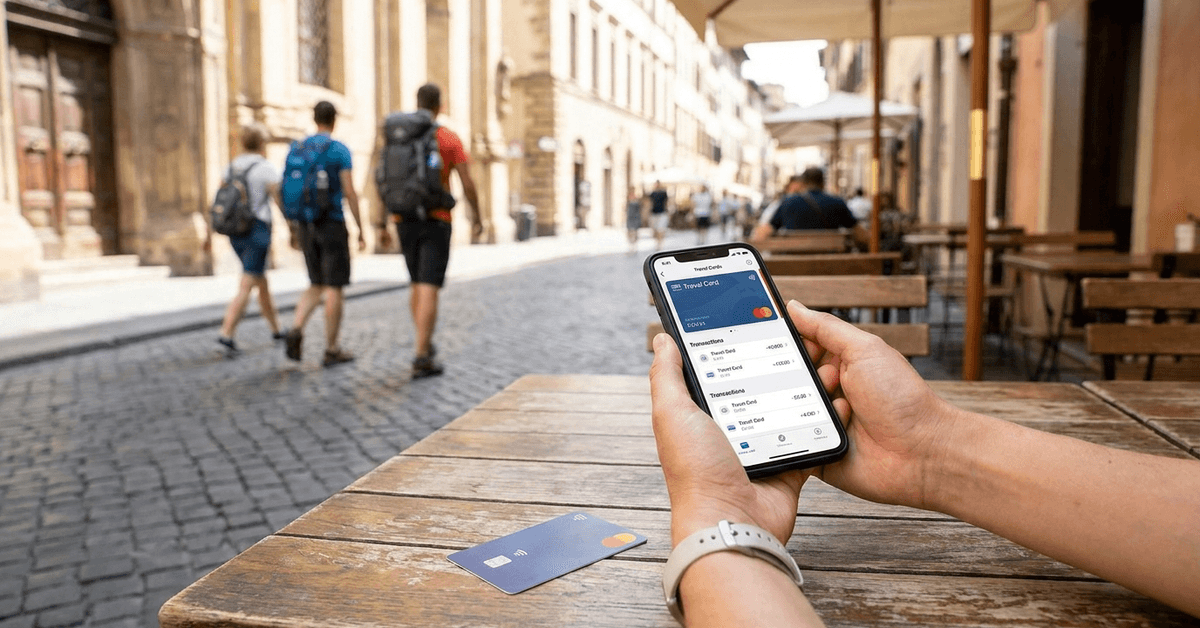
Regular cards often charge a fee for purchases made in foreign currencies—often around 2-3% per transaction. Those costs can really add up during a longer trip. Travel cards, on the other hand, typically reduce or eliminate these fees altogether.
Better Exchange Rates
Some cards allow you to preload funds in major currencies at rates close to the forex market, avoiding unfavorable rates banks may apply to standard cards.
Admittedly, rates can fluctuate, but the ability to lock rates before you travel helps you plan your budget.
Security and Budgeting
With prepaid and multi-currency cards, you often get the option to freeze or instantly block the card from an app, if something seems off. It gives you more control, and just feels safer than carrying around a wad of cash or your main bank card.
Types of Travel Cards Suited for International Payments
Not all travel cards are created equal—some suit long-term travelers, others are better for business trips or short vacations. Here’s a closer look at major types and what makes each stand out.
Prepaid Travel Cards
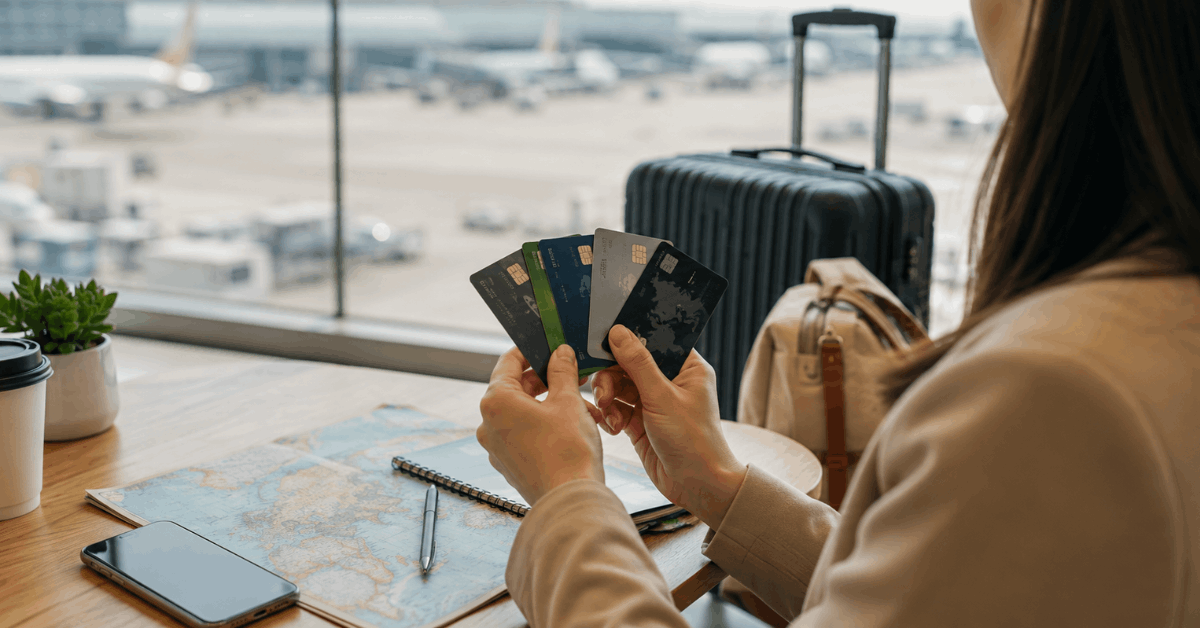
Prepaid travel cards let you load a set amount of money in one or more foreign currencies before you leave. This means there’s no risk of overdraft fees; when the balance hits zero, spending stops. Honestly, for budgeting, that’s hard to beat.
Multi-Currency Cards
Multi-currency cards, which can be prepaid or linked to an app-based bank account, support balances in several currencies at once.
These cards automatically choose the best currency for a transaction, usually with minimal or no extra fees. It feels modern—almost like taking your digital wallet around the world.
Credit Cards with No Foreign Transaction Fees
Certain credit cards offer 0% foreign transaction fees, plus travel benefits like insurance or airport lounge access.
They’re a good fit for travelers with established credit. That said, not everyone likes the risk of interest charges or losing track of spending.
Debit Cards Designed for International Use
Fintech banks and some traditional banks now offer debit cards with low or zero international payment fees.
These are usually connected to your main checking account. This is convenient—but some users may feel nervous linking their primary funds directly to a travel card used abroad.
Comparing the Top Travel Cards for International Payments
The market is full of options, so it can get confusing quickly. Each major provider balances costs, features, and accessibility a little differently.
Below are general categories and a few well-known brands (note: always check with providers directly for up-to-date details).
Revolut
Revolut offers a multi-currency prepaid card paired with a powerful app. Users can hold balances in dozens of currencies and switch between them at interbank rates.
ATM withdrawals are free within defined limits, after which fees apply. Maybe not the simplest option at first, but very popular with frequent travelers.
N26
N26 provides a debit card tied to a EUR account, known for low foreign transaction fees and helpful travel tools. Their premium plans include extra insurance. Not available everywhere—so worth checking eligibility before relying on it.
Wise (formerly TransferWise)
The Wise card is a popular choice for cost-effective international spending. It lets you spend in local currencies, moving funds automatically to minimize conversion charges.
The Wise platform is famous for transparency, but there are some withdrawal and account limits to consider.
Traditional Bank Travel Cards
Some large banks offer travel-focused prepaid or debit cards. They’re often easy to obtain if you have an account, but watch out for hidden fees and less competitive exchange rates.
Common Features and Fees of Travel Cards
All travel cards have their quirks, but you’ll typically want to watch for these aspects:
- Foreign transaction fees (ideally 0%)
- ATM withdrawal limits and charges (sometimes free up to a point)
- Top-up or reloading fees
- Monthly account maintenance costs
- Currency conversion markups
- Replacement card fees if lost or stolen
Some travelers accept small fees for better app features or stronger brand reputation. Others chase the lowest possible cost. Both approaches are reasonable, depending on your comfort level and needs.
How to Choose the Best Travel Card for Your Needs?
It’s tempting to want a one-size-fits-all card, but there’s no universal answer. Maybe, think about these points to help narrow down your ideal solution:
- What countries will you visit most often?
- How comfortable are you using a fully online/app-based service?
- Do you need budgeting or expense tracking tools?
- Is ATM access abroad a priority?
- Would you rather avoid linking to your main bank account?
- Are bonuses like travel insurance or purchase protection important to you?
No harm in starting with a basic card, then switching as you learn what matters most to you on your travels.
Security and Fraud Protection for International Card Use
Travel cards generally offer robust anti-fraud measures, like instant blocking, spending alerts, and sometimes virtual cards for online purchases. Still, scammers adapt fast.
Always check card settings, enable two-factor authentication when possible, and avoid using public Wi-Fi for app management.
If something feels off, trust your instincts and block the card right away. It’s not possible to guard against every risk, but small habits help keep your money safer.
Legal and Tax Considerations Abroad
Many travelers forget about the legal and tax side of international payments. Depending on your residency and length of stay, you could theoretically owe taxes or need to report foreign accounts.
The easiest path is to check your home country’s tax authority, and get familiar with regulations in your destination country—just in case. Bank and card statements are helpful to keep, especially if asked for proof of income or expenses while abroad.
Currency Restrictions
Some countries have restrictions on bringing in or sending out certain currencies. Always check official sources before loading large sums onto any card, to avoid fines or confiscation at customs.
Data Privacy
International travel means your personal data crosses borders too. Large card providers comply with GDPR and similar laws, but local fintech apps might have different privacy policies.
For peace of mind, you might want to stick with established brands with a proven reputation.
Tips for Making the Most of Your Travel Card
- Top up your card before you travel to avoid foreign bank transfer delays.
- Enable spending/currency alerts so you don’t lose track of your balance.
- Keep a small cash backup, just in case cards are not accepted everywhere.
- Avoid the option to pay “in your home currency” at shops or ATMs—it often comes with hidden markups.
- Update your app before traveling for the latest security features.
In the end, the best travel card fits your habits, your budget, and maybe even grows with your own travel ambitions. It’s okay if it takes some trial and error to figure it out.
Conclusion
A travel card can make international payments easier, safer, and more predictable. The best choice depends on your destination, spending habits, ATM needs, and comfort with digital banking.
Checking fees, exchange rates, and security features before your trip can help you avoid costly surprises. With careful use, a travel card can give you better control over your money while abroad.