

Whether you’re planning a European getaway or heading to a remote destination, having the right travel card can make a world of difference.
Many travelers underestimate how much card choice impacts not just convenience, but actual costs and security when spending internationally.
This guide is designed for anyone preparing for a trip abroad, wanting to avoid hidden fees, and hoping to keep payments easy yet secure. With the right information, you can sidestep pitfalls and use your cards more confidently while traveling.
Why Choosing the Right Card for International Travel Matters
Cards may all look similar, yet international use reveals their differences quickly. Many banks and card issuers charge foreign transaction fees.
These can quietly add up, especially on longer trips. There’s also the risk of ATM charges, currency conversion surprises, or blocked transactions.
Sometimes, a card that works well at home isn’t accepted elsewhere. Nobody wants to get stuck trying to pay for a coffee in Paris with a card the café can’t process. Choosing cards wisely before you go can reduce these hassles and expenses.
Types of Cards for International Travel
Not all cards are equally suitable for travelers. In practice, travelers tend to use a mix of three primary types: credit cards, debit cards, and prepaid travel cards. Each type comes with particular strengths and considerations.
Travel-Friendly Credit Cards
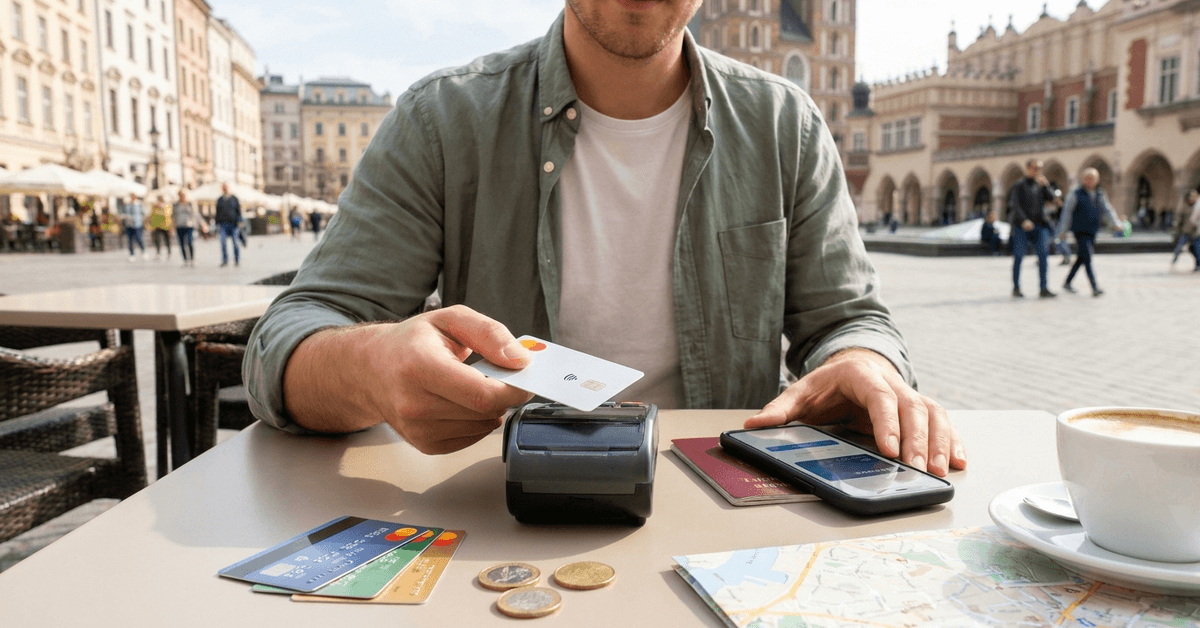
Some credit cards are tailored for global use. These typically feature no foreign transaction fees, travel-oriented perks, and broad acceptance—especially those on Visa or Mastercard networks. Some provide travel insurance or emergency support.
However, credit limits and cash advance fees may apply. While high-end ‘travel cards’ offer extra benefits, even standard cards may waive select fees for those who enquire or qualify.
International Debit Cards
Debit cards are linked directly to checking accounts. A growing number of banks now offer travel debit cards with low or zero international fees. Most can withdraw local currency from ATMs, helpful for markets or taxis that don’t take cards.
Debit cards are less risky in terms of debt, but lost or compromised cards could affect your main bank balance. Some travelers keep a dedicated travel account just for this purpose.
Prepaid Travel Cards
Prepaid cards work like debit cards but aren’t directly tied to your primary account. You load them up before your trip (often in multiple currencies), controlling how much can be spent.
These cards help with budgeting and can offer favorable exchange rates. But they may have loading fees or network restrictions. Some issuers provide handy mobile apps for balance checks and instant top-ups.
Key Features to Look For in International Travel Cards
When weighing your options, a few features tend to stand out as especially valuable for international trips. These may seem small on paper, but in practice, they provide peace of mind and real savings.
No Foreign Transaction Fees
Foreign transaction fees usually range from 1% to 3%. Over a few weeks abroad, that adds up quickly. Cards that advertise no foreign transaction fees are simple to use and easy to recommend.
Before departure, it’s wise to confirm this benefit isn’t just for purchases but also ATM withdrawals.
Worldwide Acceptance
Visa and Mastercard have the broadest reach. While American Express or Discover are accepted in some regions, many merchants abroad rely on the largest networks.
Chip and contactless payments are also essential, as magnetic stripes are quickly fading from use in Europe and Asia.
ATM Access and Fees
Despite the growth of cashless payments, ATMs are still useful for small purchases or emergencies. Look for cards offering free or rebated ATM withdrawals in your destination countries.
Some banks even partner with global ATM networks, waiving their own fees—but checking foreign ATM operator surcharges remains important.
Security and Card Controls
Travel exposes you to more risk: pickpocketing, lost wallets, skimmers. Cards with real-time notifications, instant locks, and easy replacement policies give travelers extra reassurance. Virtual cards can add a layer of protection for risky or unfamiliar vendors.
Fraud Protection and Customer Support
Strong fraud monitoring and prompt 24/7 support are especially valued abroad, where time zones or language barriers add complexity if something goes wrong.
A simple process for disputing charges or freezing your card can spare you real headaches.
Comparing Popular Cards for International Travel
The best travel card depends a bit on your preferences—credit versus debit, rewards versus simplicity, bank location, and expense tracking needs.
Based on wide user reviews and industry reports, here are some examples of cards often chosen by international travelers:
Chase Sapphire Preferred (Credit Card)
Well-regarded for frequent travelers, this card boasts no foreign transaction fees, solid travel insurance, and rewards on travel spending. It’s widely accepted and includes helpful customer support, though annual fees may not suit budget travelers.
Capital One 360 Debit Card (Debit Card)
This debit card allows for global ATM use with low or zero foreign transaction fees. The app features are practical—freezing the card if lost, tracking spending, and instant notifications. Of course, ATMs may still have their own local surcharges.
Revolut Prepaid Card (Prepaid/Neobank)
Flexible for multi-currency spending, with real-time transfers and in-app security controls. The Revolut card is especially popular among digital nomads. Know that free ATM withdrawals have monthly limits, and some advanced features require a paid plan.
Wise (formerly TransferWise) Multi-Currency Card
This prepaid business and personal card supports holding dozens of currencies. Currency conversion rates are transparent and among the lowest. The Wise app is built for travel spending, offering instant notifications and easy international transfers.
Tips for Using Cards Safely and Efficiently While Abroad
Even the best card is only as useful as its setup and your understanding. Before you depart, a short checklist can help avoid problems:
- Notify your card issuer of your travel plans to minimize blocks or fraud alerts.
- Test chip and contactless features before leaving—set your pin easily accessible but never written down.
- Bring more than one card (ideally, at least one from a different bank or network) in case of loss or malfunction.
- Check daily ATM withdrawal limits and learn how to quickly freeze or unfreeze your card using the app.
- Avoid dynamic currency conversion at foreign merchants—it usually means a poor exchange rate. Pay in local currency instead.
Common Mistakes to Avoid with Travel Cards
Travel cards are useful, but small oversights can create unnecessary stress abroad. Knowing the common mistakes helps you avoid fees, declined payments, and security problems.
- Relying on just one card: a single card issue could leave you stranded. Diversify, if possible.
- Overlooking withdrawal fees: some countries or ATMs add their own surcharges, even if your bank doesn’t.
- Forgetting to update your contact details: banks may only reach out by email or text if there’s trouble.
- Failing to monitor transactions: a quick daily glance at your statement can help catch issues early.
Legal and Tax Considerations
In rare cases, your home country's tax authority may require you to report foreign assets or large overseas transactions. While most travelers never cross these thresholds, longer stays or large transfers should be checked in advance.
Always review your card’s terms to understand liability in case of disputes or fraud abroad. Some local regulations may also restrict which type of cards you can use in certain countries—for example, sanctions or embargoes may affect access.
Other Factors to Keep in Mind
Perhaps a less obvious point: not every card works at every merchant, even in major destinations. Subway ticket kiosks, small cafés, or outdoor markets sometimes reject foreign cards—especially prepaid or less common networks.
Carrying a small amount of local cash, just in case, remains wise. Finally, double-check expiration dates—cards expiring mid-trip create more disruption than many realize.
Conclusion
The best card for international travel depends on your destination, spending habits, and need for cash access. Credit, debit, and prepaid travel cards each offer different benefits, so comparing fees and security features is important.
Carrying a backup card and avoiding poor currency conversion options can help reduce travel stress. With the right setup, your card can make spending abroad safer, easier, and more affordable.