
Managing money when moving across borders can seem daunting. With the rise in digital banking, global payment cards have grown integral for travellers, expats, students, and remote workers.
Understanding card types, fees, and access is key. This guide unpacks what to look for and how each card suits unique spending needs.
Understanding Global Payment Cards – Key Features and Benefits
Essentially, a global payment card lets you pay in various currencies, shop online or in-store, and withdraw from ATMs around the world.
Not all work the same way, though. I remember my first prepaid card—useful, but not always accepted. Sometimes, traditional credit cards felt safer, even though fees stacked up.
Flexibility is a recurring benefit with these cards. Some offer travel insurance, rewards, or currency exchange perks.
Most blend seamlessly with digital wallets and mobile apps. For someone who likes reviewing spending habits or getting notifications, these are handy tools to have.
Types of Global Payment Cards
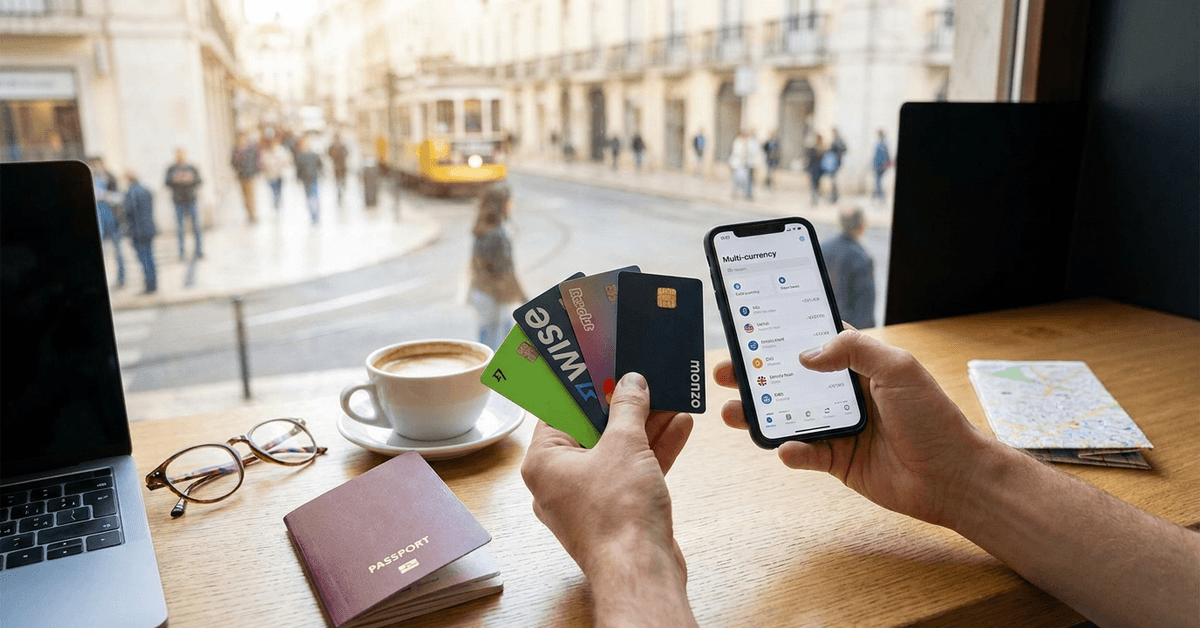
While browsing options, different card types stand out for different goals. Some suit frequent travelers; others might work better for temporary use or business expenses. Picking the right one feels overwhelming at first, but knowing the basics makes it easier.
Credit Cards
Major issuers like Visa, Mastercard, and American Express offer global reach. With credit cards, there is usually fraud protection—peace of mind on trips.
However, foreign transaction fees and dynamic currency conversion charges may apply, sometimes unnoticed until later.
Debit Cards
Linked directly to bank accounts, debit cards are practical for everyday spending. Often, international ATMs will charge withdrawal fees.
Some banks partner globally to reduce these costs. Make sure to ask about ATM alliances or global banking networks when researching.
Prepaid Cards
Loading a set amount in advance offers spending control and a safeguard against overspending.
These are generally accepted where major networks are, though smaller shops or certain regions sometimes decline prepaid cards. They tend to suit students abroad or travelers on a fixed budget.
Multi-currency Cards
A relatively new addition, multi-currency cards hold various balances at once. If planning to visit several countries, this might save on conversion fees.
Keeping track of fluctuating exchange rates can take some attention, however, so consider whether you prefer more flexibility or simplicity.
Comparing Popular Global Payment Card Providers
The variety of cards is huge. Some brands often appear in recommendations; others cater to niche needs. It helps to check features, user reviews, and reputation in addition to costs.
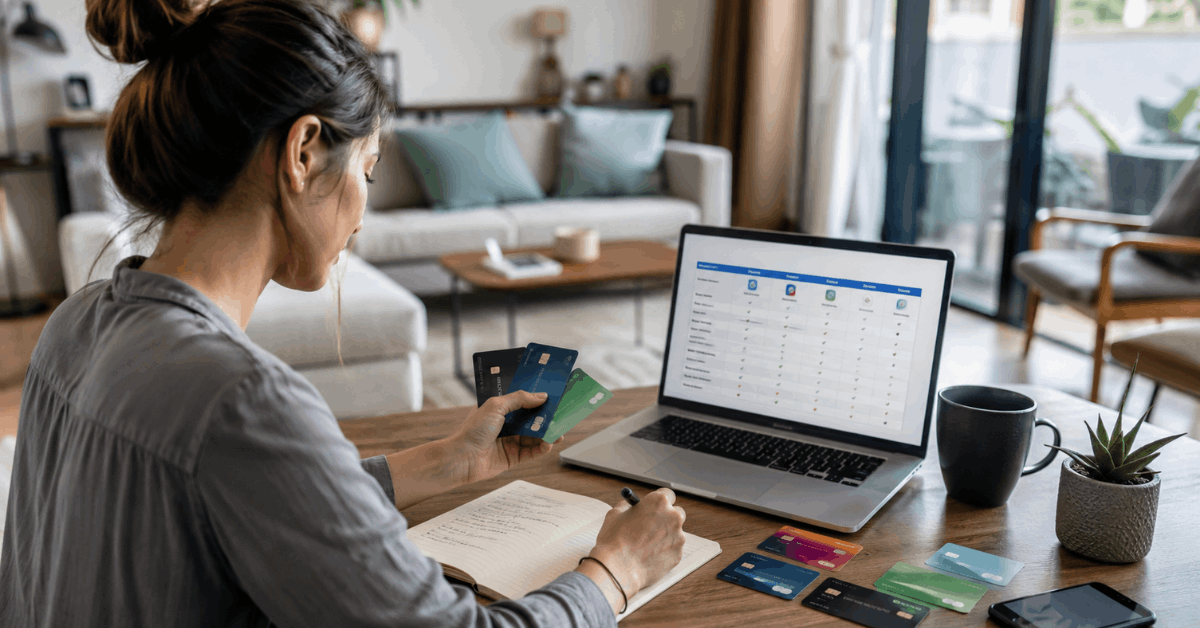
Below is a general breakdown of leading providers frequently mentioned by travelers and digital nomads.
Wise (formerly TransferWise)
The Wise card enables multi-currency spending with close-to-market conversion rates. Rather than hidden fees, there are straightforward charges. Many find this option helpful for business payments or long stays abroad.
Revolut
Revolut has gained fame for its real-time exchange rates and user-friendly app. It's useful for those who budget actively or move funds between currencies regularly. Still, international ATM withdrawals may face monthly caps or small fees after a limit.
Monzo
With an emphasis on transparency, Monzo’s debit card offers spending alerts and budgeting features. Because it's based in the UK, not all markets see the same level of access or fee structures, so that’s a detail worth checking if relocating.
N26
European users praise N26 for easy account management and integration with mobile devices. Free spending in the euro area, plus the ability to hold sub-accounts, are common highlights. International withdrawals outside SEPA might incur additional costs.
Traditional Bank Options
Some might prefer well-known institutions like HSBC, Citibank, or Santander, especially for receiving salaries abroad or accessing trusted support. Their global cards work widely but, in my experience, tend to carry more rigid requirements or fees.
Fees and Exchange Rates: What to Watch For
I think everyone would prefer to avoid surprise costs. Not all fees are obvious at sign-up. Key questions worth asking include: is there an annual fee, what’s the markup on currency conversion, and are ATM withdrawals free worldwide?
- Annual or monthly maintenance fees
- Cash withdrawal surcharges
- Foreign transaction markups (often 1%-3%)
- Replacement or inactivity charges
Some cards advertise “zero fees,” but the exchange rates may not be as favorable. Scrutinize the terms—sometimes a very minor difference in rates becomes meaningful if using the card a lot abroad.
Card Security and Fraud Protection
Safety matters, especially for international transactions. Most global cards now include EMV chips, contactless tech, and two-factor authentication.
Some even let you freeze your card instantly from a phone app. These layers help reduce risk if your card is lost or stolen.
It’s worth setting up spending alerts and enabling location-based security features. In certain countries, you might encounter unfamiliar payment terminals.
I’ve felt anxious at times when a card was rejected due to unexpected security blocks, so double-check travel notifications with your provider.
How to Choose the Right Card for Your Needs?
There’s no need to rush. Consider priorities: Is it low fees, broad acceptance, digital wallet compatibility, or perhaps ease of topping up funds? Students might lean toward prepaid cards for budgeting.
Frequent fliers could benefit from a multi-currency or rewards card. Sometimes, a combination is the best approach.
- Check where the card is accepted (regional vs. global networks)
- Review customer support response, especially for emergencies
- Consider app usability and instant notifications
- Look at ATM network and cash access if you'll need regular withdrawals
Tips for Managing Your Global Payment Card
Managing a card internationally is sometimes less about convenience and more about preparation. Here are a few suggestions that may help reduce headaches:
- Keep a backup card or emergency cash for contingencies
- Enable travel mode in your card’s app if available
- Opt for local currency payments to avoid unfavorable conversion by merchants
- Monitor card activity regularly for unexpected charges
- Store support contacts safely in case your card is lost or blocked
Sometimes it’s tempting to use just a mobile wallet, but having the physical card can save the day when tech fails or reception is poor.
Legal, Tax, and Regulatory Considerations
Cross-border card use comes with regulatory checks. Anti-money laundering laws, tax reporting, and sanction lists differ between providers.
You may be asked for documents to open a card or periodically verify identity if usage patterns change. For those paid abroad, consider how earnings tie into home country tax rules.
Reporting and Documentation
Expect to submit a passport, proof of address, and sometimes a tax ID when registering. Some providers are stricter than others, especially for high limits or business use. A bit annoying at times, but these measures really protect against fraud.
Adherence to Local Laws
Some countries have strict controls over foreign exchange and card use. Cards might be blocked or limited in sanctioned regions.
Checking local regulations and permitted cards can avoid a lot of confusion, especially before making large transfers or recurring payments abroad.
Alternatives and Future Trends
Digital wallets, virtual cards, and cryptocurrency debit cards are surfacing as new ways to handle global payments.
While not as universally accepted today, future trends point toward even less reliance on physical cards. Yet, for now, payment cards still strike a useful balance between convenience, safety, and access.
Conclusion
Global payment cards can make international spending more convenient for travelers, students, remote workers, and people living abroad.
Choosing the right card depends on your priorities, such as low fees, broad acceptance, security features, or support for multiple currencies.
Understanding exchange rates, withdrawal costs, and account terms before using a card can help you avoid unnecessary expenses.
Keeping track of transactions and following basic security practices also reduces the risk of fraud while traveling. With careful planning, a global payment card can become a reliable tool for managing money across different countries.