

An engineering degree collects dust fast if you pick the wrong first job. The company you choose right after graduation shapes the next decade of your career.
Halliburton careers keep showing up on every "best energy employer" list, but the conversation around them rarely gets specific. Vague promises about growth and innovation fill career pages without telling you what the work day looks like.
I want to fix that. This article breaks down the real Halliburton roles, entry paths, and trade-offs for anyone weighing a career in energy operations or technical services.
If you're a recent graduate in engineering or physical sciences, and the idea of working on a drilling site in West Texas or a deepwater platform off Borneo sounds more exciting than a cubicle, keep reading.
Why Engineering Graduates Keep Looking at Halliburton Careers
The draw toward Halliburton careers goes beyond a paycheck, though the pay is part of it. The company has operations across dozens of countries, and the technical scope of those operations creates a specific kind of career skill set that travels well.
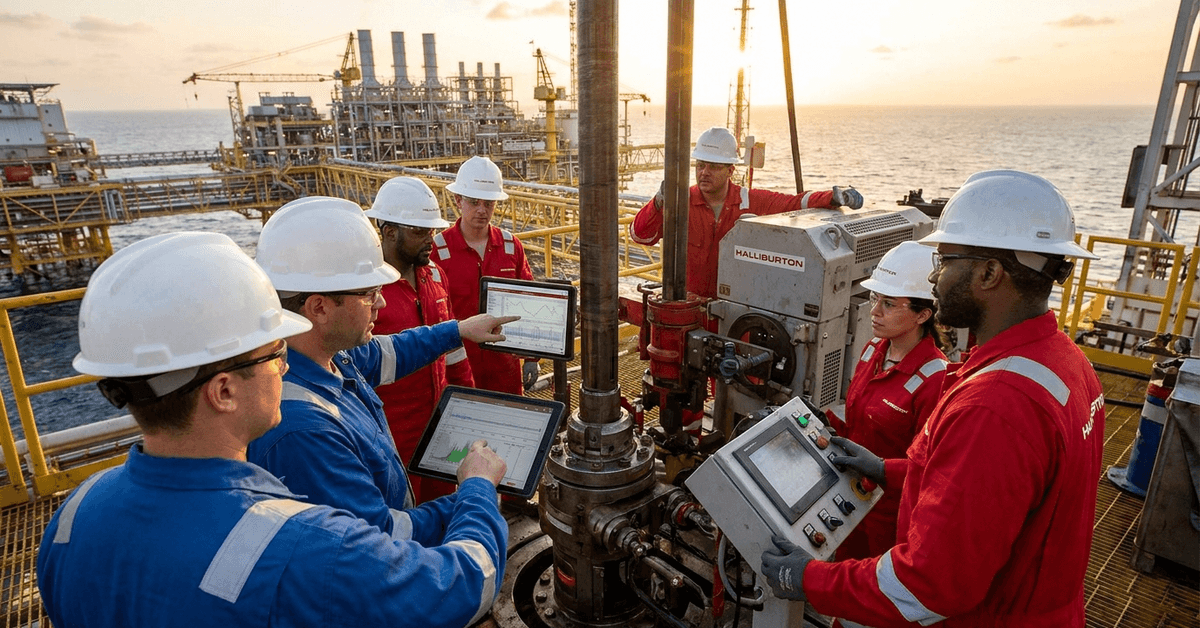
Every energy company claims to offer global exposure. But Halliburton runs projects simultaneously across North American shale fields, deepwater platforms in Southeast Asia, and onshore sites in the Middle East.
That geographic spread means a field engineer hired in Houston might find themselves troubleshooting wellbore equipment in Angola within 18 months.
Training Programs and Skill-Building at Halliburton
One thing that comes up consistently among Halliburton employees: the company runs structured training tracks.
On-the-job mentoring pairs new hires with experienced operators, and upskilling workshops appear regularly during a typical Halliburton career arc.
I'd push back on the common claim that all energy companies train equally well. Halliburton's Landmark software suite and proprietary drilling systems mean new hires learn tools specific to Halliburton's ecosystem.
That specificity can be a double-edged sword: great while you're there, less portable if you leave for a competitor running different systems.
The Technology Side Nobody Talks About
Halliburton keeps pushing automation, data analytics, and real-time monitoring into its field operations.
Technical roles now include exposure to digital tools that didn't exist in oilfield services a decade ago. A cementing engineer in 2026 might spend as much time reading sensor dashboards as mixing slurry.
That shift matters because digitalization in oilfield services is creating a new category of hybrid roles: part field operator, part data analyst.
If you're choosing between Halliburton and a smaller operator, this technology exposure is a concrete differentiator.
Halliburton Field Operations Roles: What Each Job Looks Like
Field operations are the backbone of Halliburton's business. These roles mix physical demands with fast-paced decision making, and none of them resemble a desk job. But the differences between individual positions are bigger than career sites let on.
Field Engineer Responsibilities
Field engineers handle technical operations at job sites. Their responsibilities range from designing wellbore equipment to monitoring drilling and cementing procedures. Adaptability matters here, because the job site conditions can change within hours.
A field engineer on a hydraulic fracturing crew in the Permian Basin does entirely different work than one supervising cementing operations on an offshore rig. The title is the same. The daily reality is not.
If you're applying for a field engineer position, ask which product service line you'd join. That detail determines your career trajectory more than the title itself.
Service Operator: The Hands-On Entry Point
Service operators work alongside engineers, handling equipment setup, maintenance, and on-site execution. Complex hydraulic and mechanical systems are part of daily life. Physical stamina is a baseline requirement, not a bonus.
This role can be suitable for candidates without a four-year engineering degree. Trade certifications and mechanical aptitude carry real weight in service operator hiring.
The rotation schedules run long, though: expect 14 days on, 14 days off in many assignments, with some sites pushing 21/7 rotations.
Field Service Supervisor Positions
Supervisors manage teams, site safety, and operational efficiency. Some have advanced through junior Halliburton roles over several years. Others arrive with project management backgrounds from different industries.
The transition from field engineer to supervisor is common but not automatic. Halliburton's promotion path for supervisors includes performance evaluations and cross-functional training requirements.
A field engineer with five years of experience and strong safety records has a realistic shot at this role.
Technical Job Paths at Halliburton Beyond the Field
Halliburton's technical positions share surface-level similarities with roles at Schlumberger or Baker Hughes. But the company's investment in data integration and software development shapes these careers differently.
I think the advice to "always start in the field" before moving to a Halliburton technical role is overrated.
The company's data analyst and digital operations positions build skills in software development, performance analytics, and remote operations management.
Those skills transfer directly to tech companies, consulting firms, and renewable energy startups. A field engineer's skills, while deep, tend to stay within the oilfield services industry.
Data Analyst and Digital Operations Roles
Halliburton's digitalization push means data science, software development, and analytics roles are growing faster than traditional field positions.
Professionals in these roles analyze performance trends and support real-time decision making. Some work onsite. Many work remotely.
The Halliburton careers page lists digital roles under its technology division, and the postings have increased steadily since 2024.
A background in computer science paired with basic petroleum engineering coursework can make a candidate competitive for these positions.
Mechanical and Electrical Engineering at Halliburton
Engineering positions focus on designing or improving Halliburton's proprietary equipment. Reliability under harsh field conditions is the central challenge. Experience with CAD software and control systems is expected.
These roles suit engineers who prefer solving design problems over working outdoors. But the pay tends to run lower than field engineer compensation, sometimes by 15% to 20%, because field roles include hardship and travel premiums.
R&D and Laboratory Specialist Careers
Research teams work on drilling fluids, cement compositions, and testing protocols. The pace is slower than field operations, and the environment values scientific rigor over speed.
I'd flag one common mistake: applicants assume R&D positions at Halliburton require a PhD. A master's degree in chemistry, materials science, or petroleum engineering is competitive for most lab roles.
Checking the specific posting requirements on Halliburton's job portal saves time.
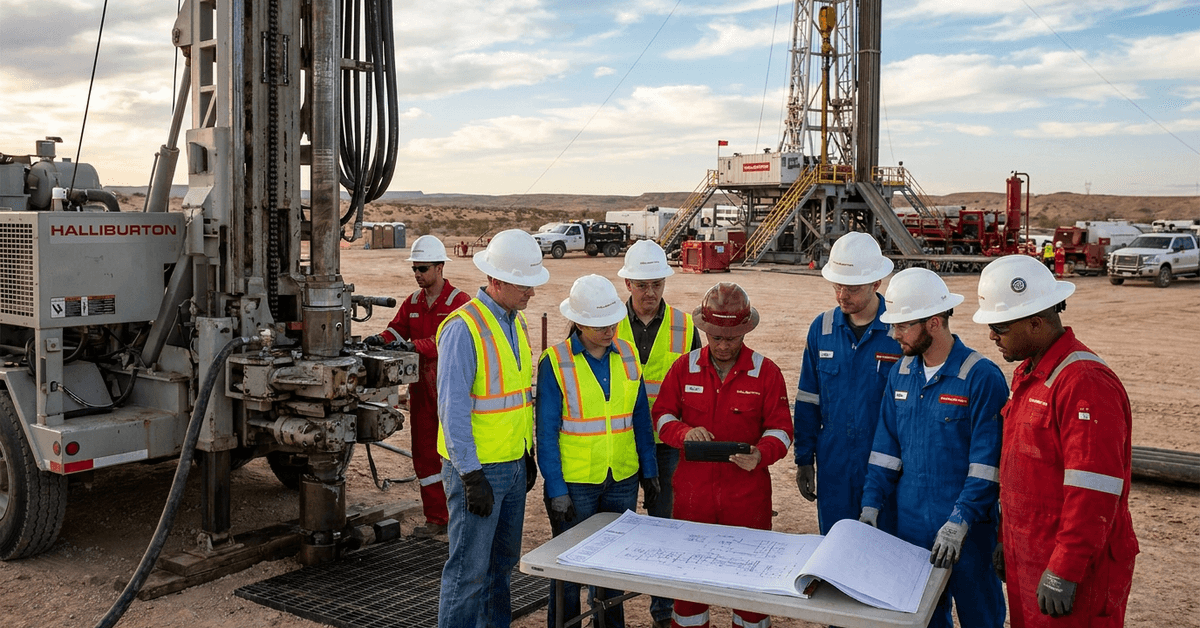
How to Get Hired at Halliburton in 2026
Entry requirements shift depending on the role, but a few patterns hold across most Halliburton positions. Knowing these patterns before applying improves your odds.
Halliburton generally looks for candidates meeting these criteria:
- Bachelor's or associate's degree in engineering, physical sciences, or a technical field
- Willingness to relocate or travel for project assignments across multiple regions
- Physical fitness clearance for field roles, including the ability to work in extreme weather
- Relevant trade certifications for service operator and maintenance positions
- Ongoing education or professional development for advanced technical roles
Resume Tips for Halliburton Applications
The strongest applications focus on hands-on technical experience and communication skills. A senior design project involving drilling simulation or materials testing catches attention faster than a generic GPA listing.
Tailor every resume to the specific product service line. Halliburton's hiring managers review hundreds of applications per role.
A resume that mentions the exact Halliburton division, whether it's cementing, wireline, or drilling services, signals that the applicant did their homework.
Assessments and Interview Process
Technical interviews at Halliburton often include scenario-based questions and case studies. Expect questions about troubleshooting equipment failures or managing safety incidents on a hypothetical job site.
The process can feel intense. Multiple rounds, sometimes spread over several weeks, are standard. But candidates report clear communication from recruiters and specific feedback after each stage.
Preparing for behavioral questions about teamwork and adaptability alongside technical scenarios gives you the strongest position.
Halliburton Benefits and Compensation Compared
Compensation at Halliburton varies by role, location, and assignment type. The differences between field and office roles are large enough to influence career decisions.
| Factor | Field Roles (Engineer/Operator) | Office/Technical Roles |
|---|---|---|
| Base salary range | Higher base plus travel premiums | Moderate base, fewer premiums |
| Schedule | Rotation-based (14/14 or 21/7) | Standard weekday schedule |
| Benefits | Health plans, 401(k), housing allowances | Health plans, 401(k) |
| Career portability | Strong within energy sector | Transfers to tech and consulting |
| Lifestyle trade-off | Extended time away from home | Predictable daily routine |
Field roles pay more in raw dollars. But the rotation lifestyle limits your ability to maintain relationships, hobbies, and stability outside of work. That trade-off deserves honest evaluation before signing an offer.
International assignments add another layer. Halliburton employees working abroad may receive cost-of-living adjustments, language training, and relocation support.
The company's presence across 70+ countries, according to its corporate overview, means the range of possible assignments is wide.
Where Halliburton Careers Are Headed
Two forces are reshaping Halliburton careers right now: automation and environmental regulation. Both create new roles while changing old ones.
Remote operations centers are replacing some on-site positions. Engineers now pilot equipment and monitor drilling data from control rooms hundreds of miles from the wellhead.
Environmental compliance roles have also grown. Technical teams work on emissions reduction projects, and field staff handle monitoring and reporting tasks that barely existed five years ago.
Graduates with environmental engineering or sustainability coursework have a growing list of entry points at Halliburton that didn't exist before 2023.
The biggest gap I see in how people evaluate Halliburton careers: they compare the company only against other oilfield service firms.
The smarter comparison is Halliburton versus tech, consulting, and renewable energy firms competing for the same engineering graduates. Halliburton's offer needs to be weighed against those alternatives, not just against Schlumberger.
Questions People Ask About Halliburton Careers
Q: Do Halliburton field engineers work offshore or onshore?
Both. Assignment depends on the product service line and regional demand. A single field engineer might alternate between onshore shale sites and offshore platforms over a two-year period, depending on project cycles.
Q: What degree do I need to apply for a Halliburton career?
Engineering, physical sciences, or a related technical degree covers most positions. Service operator roles may accept trade certifications or associate's degrees. Lab and R&D roles lean toward master's-level education in chemistry or materials science.
Q: How long does the Halliburton hiring process take?
Expect several weeks from application to offer, sometimes longer for specialized technical roles. The process typically includes an online application, HR screening, technical assessment, and at least one interview round. Checking your application status through Halliburton's career portal keeps you updated.
Q: Is Halliburton a good company for career growth?
Structured promotion paths and cross-functional training programs exist. But career growth depends heavily on the division and location. Some Halliburton offices promote faster than others, so asking about the specific team's promotion timeline during the interview stage is worth your time.
Q: Can Halliburton experience help me switch to renewable energy later?
Digital and data roles transfer more cleanly than pure field operations roles. Project management and safety compliance skills also carry over. The growing overlap between oilfield automation and renewable energy technology makes a Halliburton career a reasonable stepping stone for that transition.
Conclusion
Halliburton careers offer a mix of technical depth and global assignments that few energy companies match in 2026. The smartest move is picking the specific role that builds skills you can carry forward.
Field positions pay well but demand lifestyle sacrifices that not every graduate anticipates or handles well. Do the research on Halliburton's specific divisions before applying, and match the role to your five-year plan.