
Logistics and distribution jobs in the United States might not get the same headlines as tech roles, but they're undeniably the backbone of both modern retail and manufacturing.
Anyone curious about behind-the-scenes careers that truly keep America moving could find this sector rewarding. For those interested in jobs with a strong outlook and straightforward entry points, this field offers remarkable benefits and paths.
What Are Logistics and Distribution Jobs?
At its core, logistics covers how products move from origin to the end customer. Distribution, on the other hand, zeroes in on managing the delivery of finished goods.
Sometimes the distinction gets fuzzy. Plenty of employers even use the terms interchangeably, especially in job listings.
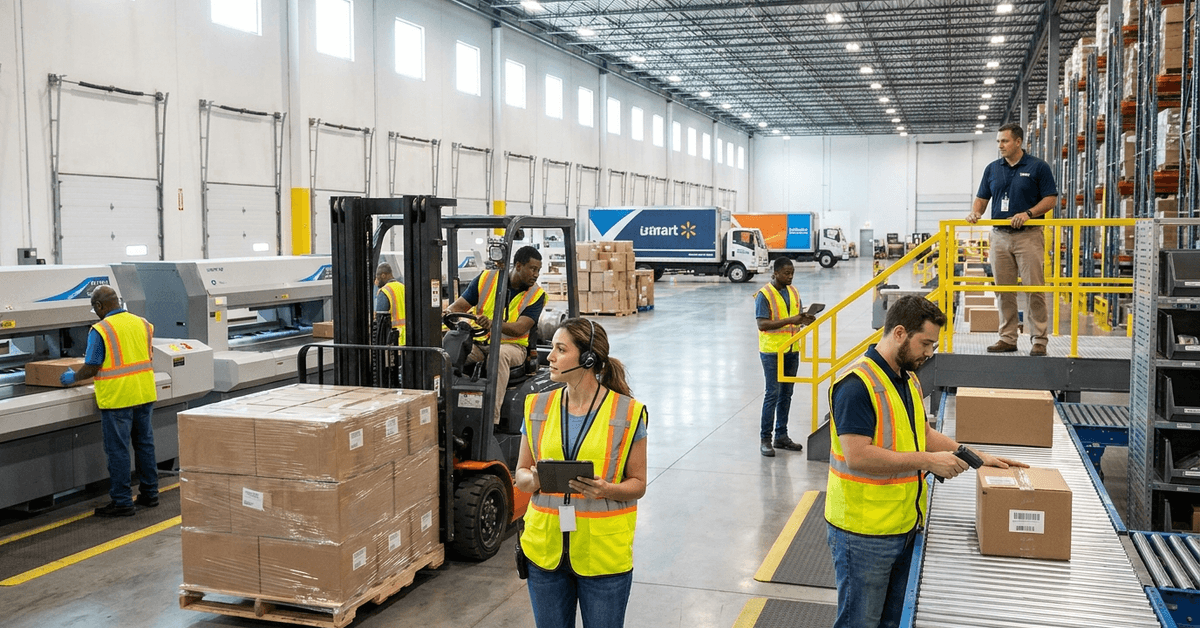
Key Roles in U.S. Logistics
- Warehouse Associate : Handles receiving, storing, picking, and shipping goods.
- Forklift Operator : Specializes in moving heavy inventory within warehouses.
- Logistics Coordinator : Plans deliveries, optimizes routes, and keeps everything running smoothly.
- Supply Chain Analyst : Uses data and tools to monitor and improve processes.
- Distribution Center Manager : Oversees facility operations and leads teams.
Why Logistics and Distribution Jobs Are Growing Fast
The U.S. e-commerce boom over the past decade has placed huge pressure on supply chains. Convenience expectations—the desire for two-day shipping or same-day delivery—keep getting higher.
To meet them, companies expand warehouses and last-mile delivery operations, driving job growth nationwide.
Strong Job Outlook
The U.S. Bureau of Labor Statistics projects stable growth across logistician and warehouse positions, outpacing many traditional roles. Companies frequently report worker shortages, especially in larger metro areas like Dallas, Atlanta, and Chicago.
Diverse Entry Options
It’s notable that many entry-level jobs require minimal formal education. High school graduates may find countless opportunities with just some on-the-job training. Still, career advancement often benefits from certifications or specific technical skills.
Core Skills and Qualifications
You might expect that logistics work is all about muscle, but most roles prioritize organization, attention to detail, and communication. The tech side is growing too—digital inventory systems, barcoding, and fleet tracking are everywhere now.
Usually Required:
- Basic computer literacy (spreadsheets, scanners, mobile apps)
- Problem-solving abilities
- Time management
- Physical stamina (for some warehouse and driving roles)
Advantageous but Not Always Necessary:
- Forklift certification
- Supply chain certification (APICS, CLTD, etc.)
- Experience with warehouse management systems (WMS)
Typical Salaries and Benefits
Compensation varies widely by role, region, and employer. Entry warehouse associates might see hourly wages starting from $15–$18. Supervisors, coordinators, and analysts earn considerably more. Some positions, especially in distribution management or specialized logistics, routinely cross $80,000 per year.
| Position | Median Salary |
|---|---|
| Warehouse Associate | $36,000 |
| Forklift Operator | $39,000 |
| Logistics Coordinator | $48,000 |
| Supply Chain Analyst | $65,000 |
| Distribution Manager | $86,000 |
Many logistics employers in the U.S. now offer health insurance, paid leave, retirement plans, and regular overtime. Larger companies sometimes provide tuition assistance if you’re interested in upskilling further.
Key Employers and Work Environments
Some people imagine logistics means working in vast, chilly warehouses. But there are other paths too. Transportation companies, retailers, and manufacturers all maintain their own logistics and distribution arms. Technology has also created new remote job types, mainly for coordinators and analysts.
Major U.S. Employers
- Amazon
- FedEx
- Walmart
- UPS
- The Home Depot
- Maersk
Growth Paths and Career Progression
This sector rewards reliability. Employees who keep showing up and hitting milestones are often promoted internally. Maybe it sounds a bit idealistic, but it's fairly common for warehouse pickers or drivers to advance into supervisory roles within five years.
Potential Career Steps
- Warehouse Worker → Team Lead → Supervisor
- Forklift Driver → Inventory Manager
- Coordinator → Supply Chain Analyst → Operations Manager
Further education—sometimes as simple as an online supply chain course—can really open up mid-to-senior opportunities.
Challenges in Logistics and Distribution
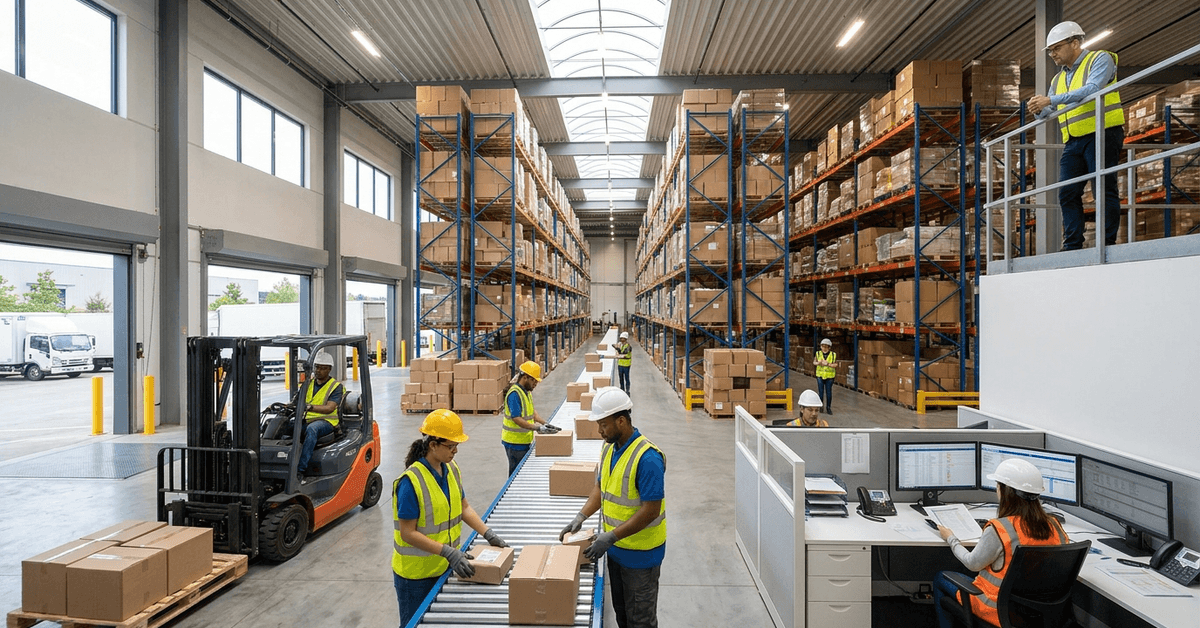
No point denying it: these jobs can be demanding. Work schedules might include nights, early mornings, or weekends. Sometimes, the pressure to meet delivery quotas leads to physical and mental fatigue. There is, however, a growing awareness around worker well-being as companies compete for talent.
Physical Demands
Lifting, repetitive motion, and long hours on your feet are common. Good employers generally offer training around safety and ergonomics, but this varies widely by company and region.
Tech Adaptation
Change happens quickly in logistics. Automation and robotics have entered many distribution centers. Workers comfortable with tablets or handheld systems usually adapt faster, but learning curves persist wherever technology moves ahead.
How to Start a Career in U.S. Logistics
If you’re considering this field, several practical steps might help. For warehouse or transportation roles, look at your local job boards or the careers pages of large companies. Entry-level listings appear year-round, especially in larger market areas.
- Check for hiring events in your area—these often result in same-day job offers
- Consider a short forklift or logistics training course, sometimes available at community colleges
- Craft a resume that highlights punctuality, reliability, and any technology experience
- If you already have experience, seek out roles with advancement potential rather than just lateral moves
Legal, Compliance, and Safety Considerations
Safety is an everyday concern in logistics, with OSHA regulations setting the standard. Employers are generally expected to provide safety training and uphold proper protocols around equipment and chemicals.
Beyond physical safety, there are also compliance requirements (such as DOT certifications) for transportation roles.
Legal Documents
- Proof of work eligibility in the U.S.
- Background checks, sometimes drug screening
- Valid driver’s license for certain roles
- An driving record for delivery or driving-based positions
- Commercial Driver’s License (CDL) for many truck-driving roles
- DOT medical card for regulated transportation jobs
- Forklift or equipment certification when the role requires it
Requirements can vary depending on the state, company, and type of position. A warehouse associate may only need standard hiring documents, while a commercial driver may need more detailed records, medical clearance, and proof of training.
Workplace Safety and Training
Good logistics employers usually provide safety training before workers begin handling equipment, inventory, or hazardous materials.
This can include proper lifting methods, emergency procedures, forklift safety, fire prevention, and personal protective equipment.
Workers should also understand how to report unsafe conditions. In busy warehouses, small issues like blocked exits, damaged pallets, wet floors, or rushed equipment use can quickly become serious risks.
Transportation Compliance
For transportation and delivery jobs, compliance often goes beyond the warehouse floor. Drivers may need to follow hours-of-service rules, vehicle inspection standards, weight limits, and route documentation requirements.
Companies that move goods across state lines must be especially careful with federal transportation rules. For employees, staying compliant protects not only the company but also their own job record and long-term career options.
Worker Rights and Fair Pay
Employees should also pay attention to wage rules, overtime policies, break schedules, and classification status. Some logistics jobs offer steady overtime, but workers should still understand how those hours are calculated.
Seasonal and temporary workers should read contracts carefully before accepting a role. It’s worth checking whether the job includes benefits, guaranteed hours, safety gear, paid training, or a path to permanent employment.
Conclusion
Logistics and distribution jobs remain some of the most practical career options in the United States. They offer entry-level access, steady demand, and clear room for growth across warehouses, transportation networks, and supply chain offices.
The work can be physically demanding, but it also gives reliable workers a chance to build real experience quickly. With the right training, safety awareness, and willingness to adapt to new technology, a starting warehouse or delivery role can become the first step toward a stable long-term career.
For anyone looking for work that supports everyday life in a very visible way, logistics is worth serious consideration. Every package delivered, shelf stocked, and shipment completed depends on people who keep the system moving.