

Climate volatility now challenges food producers more than market swings ever could.
Parched soil one season and submerged fields the next threaten livelihoods worldwide, demanding a proactive plan that protects every harvest and stabilizes rural economies.
Weather Risks in Modern Agriculture
Global data confirm that drought frequency and flood intensity have both risen sharply over the past five decades.
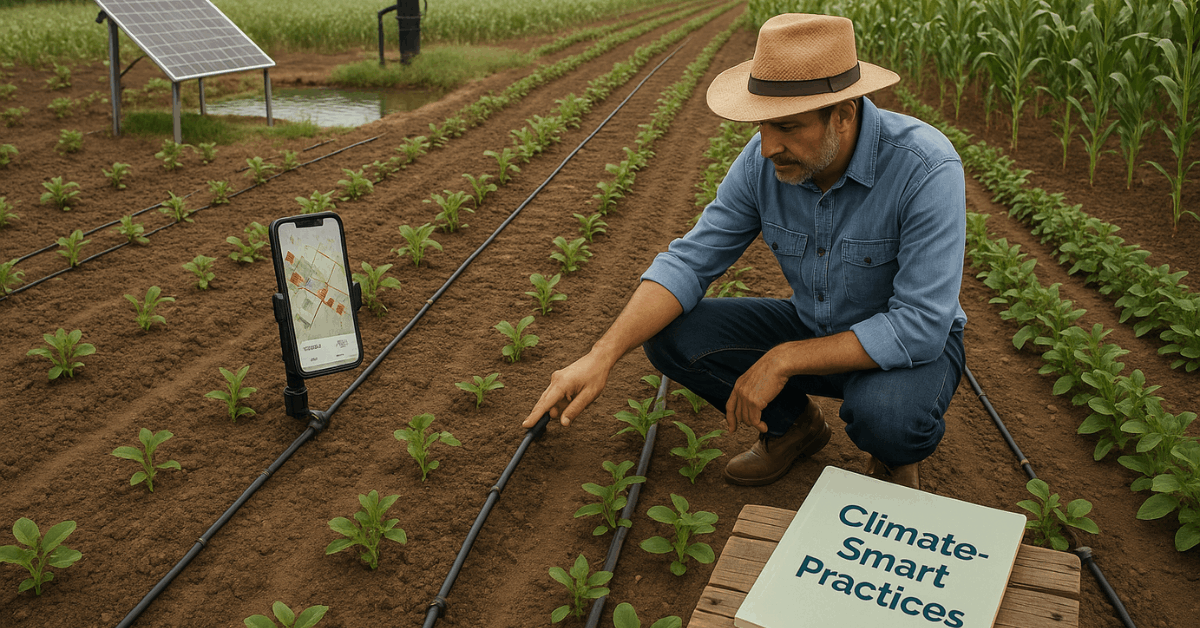
Each extreme undermines the water-soil balance that crops require and magnifies production costs.
Farmers depend on predictable moisture patterns to germinate seed, maintain pasture, and regulate animal health; any prolonged deviation invites cascading damage that spreads far beyond field borders.
Drastic Damage Even in Moderate Water Stress
Field trials show that even moderate water stress during flowering can reduce cereal yields by nearly thirty percent, while excess rainfall encourages fungal outbreaks that wipe out entire orchards.
Wind events strip nutrient-rich topsoil, and unexpected frosts force ranchers to double feed rations just to keep livestock weight stable.
Every weather shock therefore carries both direct and indirect consequences that echo through supply chains and household budgets.
The Domino Effect of Harvest Losses
One wilted crop seldom ends at the farm gate.
Market-linked businesses such as seed distributors, trucking firms, and grain processors rely on predictable throughput; a sudden production gap forces layoffs, trims municipal tax receipts, and spikes consumer prices.
Chain Reactions:
- A failed corn harvest limits biofuel feedstock, pressuring energy markets and inflating transportation costs.
- Machinery dealers sell fewer tractors when growers postpone capital upgrades, leading to regional job cuts.
- Hospitality sectors in rural towns lose seasonal tourist income when landscapes turn brown or roads flood.
- School districts based on agricultural tax revenue confront budget shortfalls that reduce educational services.
Because each knock-on effect multiplies community risk, compensation frameworks must address more than lost yield; they need to preserve broader economic stability.
Economic Impacts: Counting the Hidden Costs
Compensation planners need precise numbers; therefore, this section breaks down where money disappears first.
Input bills keep rising faster than crop prices, which means disaster payouts must close an expanding affordability gap.
| Cost Driver | Typical Drought Increase | Typical Flood Increase |
| Supplemental Irrigation | 25-60 % for water pumping | Not applicable |
| Feed Purchases for Livestock | 30-90 % above baseline | 15-40 % to replace spoiled fodder |
| Pest and Disease Control | 20 % for drought-driven infestations | 35 % for flood-borne pathogens |
| Fuel for Machinery | 10 % due to extra field passes | 18 % for debris removal |
Rising variable expenses quickly outpace disaster grants unless support arrives promptly and matches real-time price movements.
Environmental Ripples: Ecosystem Consequences
Habitat functions sink when water regimes swing wildly; therefore, ecological loss compounds economic pain.
- Wetland shrinkage removes breeding grounds for fish and migratory birds.
- Wildlife migration intensifies human-animal conflict around scarce watering holes.
- Lower reservoir levels cut hydropower output, increasing fossil fuel dependence.
- Wildfire risk escalates as dry vegetation accumulates, threatening biodiversity corridors.
- Soil microbe populations decline, reducing long-term fertility and carbon sequestration.
Restoration costs often exceed initial farm losses, reinforcing the argument for rapid compensation paired with resilience funding.
Human and Social Toll
Revenue shocks hit bank accounts first, which means mental health and community cohesion soon follow.
- Farmers report elevated anxiety during extended dry spells due to spiraling debt.
- Rural clinics observe respiratory illness spikes where windblown dust replaces moisture-laden air.
- Flood displacement pushes families into temporary shelters, disrupting schooling and job continuity.
- Local food prices climb, undermining nutrition security for low-income households.
- Reduced recreational water levels cut tourism income, further shrinking regional cash flow.
Social stability, therefore, hinges on programs that keep farms solvent and communities anchored during crisis periods.
Core Compensation Streams
You need layered protection against multiple hazards; therefore, three funding pillars now define modern harvest guarantees.
1. Government Aid Packages
National treasuries frequently deploy direct transfers, subsidized credit lines, and tax deferrals.
Eligibility typically depends on verified loss percentages and documented farm size. Quick-release micro-grants cover seed for replanting, while low-interest reconstruction loans restore damaged irrigation networks.
2. Crop and Livestock Insurance
Indemnity policies compensate based on measured yield gaps; index plans trigger automatically when rainfall or river-height readings breach threshold levels.
Index products deliver rapid cash flow because adjusters need no on-farm visits, although basis risk can leave individual growers under-compensated.
Premium subsidies encourage wider enrollment, expanding the risk pool and lowering overall costs.
3. International Finance and the Loss & Damage Fund
Global climate negotiations created a mechanism to funnel resources toward countries contributing least to emissions yet suffering most from climate shocks.
Allocations emphasize smallholder farmers, aiming to fund resilient seed varieties, climate-smart technology, and shock-responsive safety nets.
Multilateral agencies coordinate technical assistance, ensuring funds translate into practical field solutions rather than stalled paperwork.
Access, Timing, and Eligibility Hurdles
Funding exists, yet uneven paperwork blocks many applicants, therefore streamlining claim processes remains critical.
- Remote villages often lack internet connectivity for online claim portals.
- Insurers sometimes require satellite imagery that fails to penetrate heavy cloud cover after floods.
- Tenant farmers without formal land titles struggle to prove economic interest in damaged crops.
- Language barriers hinder accurate form completion, delaying payouts.
- Gender norms can exclude women farmers from official beneficiary lists despite equal production roles.
Solutions include mobile claim units, multilingual helplines, and blockchain-secured land registries to verify tenure with minimal bureaucracy.
Strengthening Farm Resilience: Practical Strategies
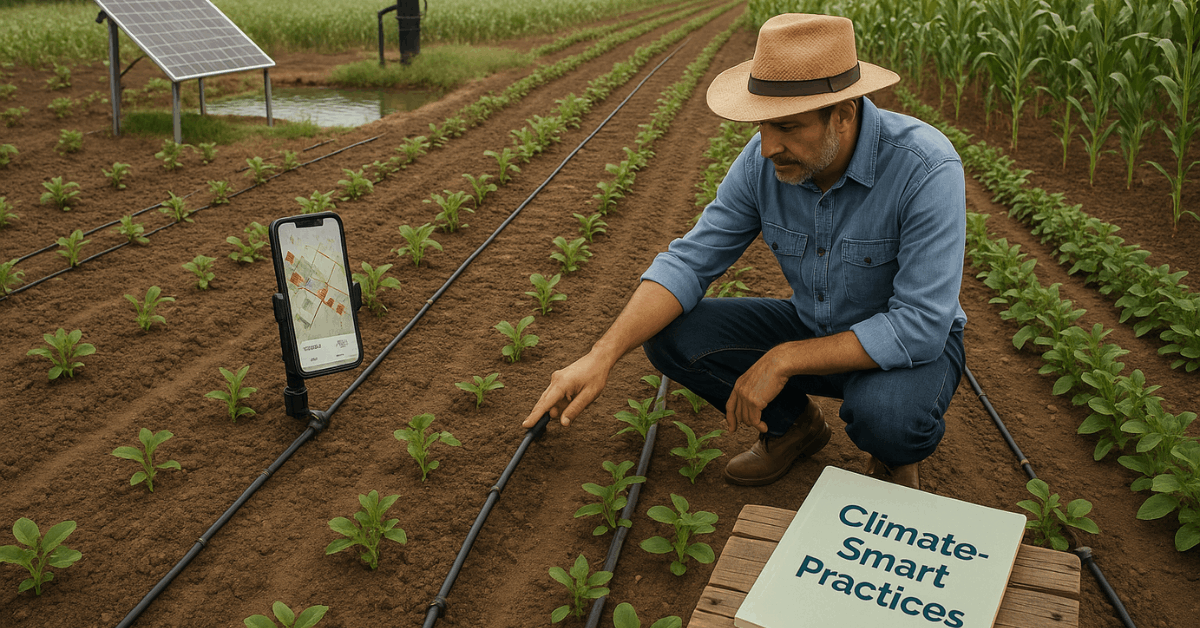
Crisis money helps you recover, yet proactive shifts cut future exposure. Implement upgrades while compensation keeps cash flow steady.
- Diversify Crop Portfolios: Rotate cereals with legumes and tubers that mature at different moisture thresholds to spread risk.
- Adopt Water-Efficient Technologies: Drip irrigation and soil-moisture sensors reduce pumping frequency and optimize fertilizer uptake.
- Invest in On-Farm Water Storage: Lined ponds harvest excess rain, providing emergency reserves for dry spells.
- Upgrade Seed Varieties: Select drought-tolerant or water-logging-resistant hybrids tested by regional research institutes.
- Strengthen Community Mutual-Aid Funds: Cooperative savings pools release micro-grants within forty-eight hours, bridging gaps before formal payouts arrive.
- Integrate Agroforestry Belts: Shelterbelts reduce wind erosion and moderate field microclimates, boosting long-term soil health.
Completing two or more actions each season doubles the probability of maintaining break-even cash flow during weather extremes.
Data and Policy at COP29
Evidence-based allocation drives fairness, and attribution science now quantifies how anthropogenic warming amplifies specific droughts or floods.
High-resolution climate models, coupled with field-level yield datasets, calculate damage fractions attributable to climate change rather than natural variability.
Policymakers can then assign Loss & Damage funds according to verified exposure metrics.
Low-Cost Sensors
Several regions lack dense weather station networks, limiting model accuracy. International research collaboratives are installing low-cost sensors and training local technicians to manage data.
Real-time dashboards will soon show hourly crop stress indices, allowing parametric insurance to settle claims days after an event rather than months.
Ring-Fencing
Funding discussions in Baku emphasize that agriculture underpins both food security and rural employment worldwide.
Delegates advocate ring-fencing a share of global climate finance for on-farm infrastructure, knowledge transfer, and social safety nets.
Effective disbursement can transform vulnerability into opportunity, fostering resilient supply chains and reducing future humanitarian aid requirements.
Conclusion
Implementing a true harvest guarantee demands partnership across governments, insurers, donors, and farmers.
Digitize records, explore indexed covers, and lobby national administrations to prioritize timely payouts.
Collective action today safeguards not only individual livelihoods but also the stability of worldwide food systems in an era of relentless climate uncertainty.