

Scrolling through job boards at 2 AM, calculator open, wondering if an oil industry salary could finally close the gap between your paycheck and your ambitions? That math hits different when the numbers have six figures.
High-paying oil industry jobs keep showing up on career forums for a reason. The salaries are real. But the lifestyle trade-offs buried in the fine print rarely get the same attention.
A career switch into oil sounds straightforward until rotation schedules, remote postings, and market swings enter the picture. The money is strong, but the decision deserves more than a salary comparison chart.
This is the part where the conversation gets interesting. The oil sector in 2026 looks different from even five years ago, and the roles paying top dollar have quietly shifted.
Why Oil Industry Salaries Run Higher Than Other Sectors
The pay gap between oil jobs and other industries comes down to a few forces working together. None of them is mysterious, but understanding them changes how you evaluate an offer.
Specialized Skills Command Premium Pay
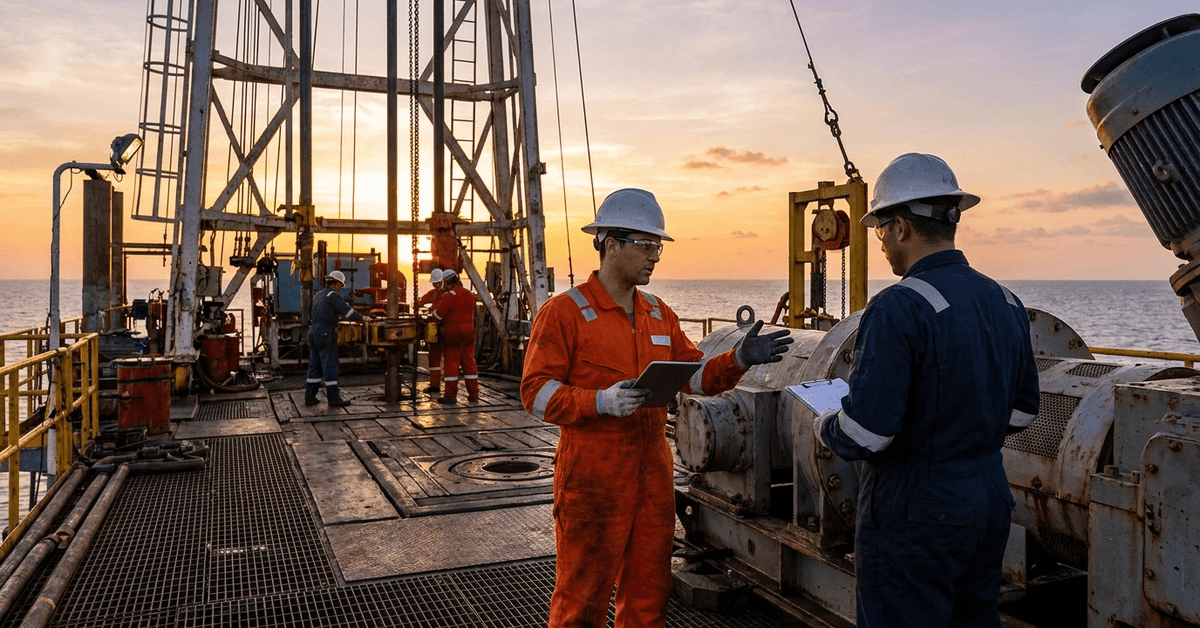
Petroleum engineering, advanced geology, and offshore drilling supervision require training that takes years to develop. A chemical engineer can work in dozens of industries.
A reservoir engineer who can model subsurface formations for extraction? That skill set has a much smaller talent pool.
Fewer qualified candidates means companies compete on compensation.
The same dynamic applies to HSE managers (Health, Safety, and Environment), where regulatory expertise in hydrocarbon operations carries a premium that generic safety certifications do not.
Remote Locations Add a Price Tag
Oil platforms in the North Sea, refineries in West Africa, and extraction sites in the Permian Basin share one thing: they are not convenient places to live.
Companies add location premiums, housing allowances, and rotation bonuses to attract workers willing to spend weeks at a time in isolated environments.
These location-based pay bumps can add 20% or more to a base salary, depending on the assignment. That number sounds exciting until you calculate what "28 days on, 28 days off" does to your personal calendar over three years.
Market Volatility Creates Wage Spikes
Global oil prices swing based on geopolitics, OPEC decisions, and demand cycles. During supply crunches, companies need to hire fast, and signing bonuses and salary increases follow.
The flip side: downturns can freeze hiring or trigger layoffs in the same roles that were paying top dollar six months earlier.
I would not take an oil industry job based on a boom-cycle salary alone, because base pay at Shell, ExxonMobil, and BP during stable periods tells you more about long-term earning potential than peak-cycle offers that may not repeat.
Top High-Paying Oil Industry Jobs and What They Demand
Not every well-paid oil role requires a hard hat. The highest earners split between field operations and office-based technical positions, and the gap between them is narrower than people assume.
Petroleum Engineers
Petroleum engineers design and improve extraction methods. The role typically requires a bachelor's degree in petroleum, chemical, or mechanical engineering.
Salaries sit above average for engineers, and a master's degree or 10+ years of field experience can push compensation considerably higher.
The demand for petroleum engineers has held steady even as automation reshapes drilling operations, because the design and optimization work still requires human judgment on geological variables that AI handles poorly.
Drilling Supervisors
These are the people running the show on a drilling site. Drilling supervisors coordinate crews, manage safety protocols, and make real-time decisions when equipment fails at 3 AM.
The role attracts people who prefer hands-on leadership and can handle the pressure of remote, high-stakes environments.
A bachelor's degree helps, but many drilling supervisors entered through trade school backgrounds combined with years of field experience. The path is one of the few in the industry where direct on-site competence can outweigh academic credentials.
Geoscientists and Geologists
Pinpointing where oil reserves sit underground is the job of geoscientists and geologists. Their work determines whether a company spends millions drilling in the right location or wastes capital on a dry hole.
Accredited geology degrees and industry licensing carry weight here. The pay is strong because the cost of getting it wrong is enormous, and experienced geoscientists who have worked across multiple basins are especially sought after.
Operations Managers
Operations managers oversee entire facilities. Refineries, oilfields, pipeline networks: someone has to keep the whole operation running on budget and on schedule.
The role demands both strategic thinking and enough technical knowledge to understand what field teams are reporting.
These positions tend to go to people who have spent a decade or more in the industry, moving through progressively larger responsibilities. The pay ceiling is high, but so is the accountability.
Here is how these roles stack up against each other:
| Role | Typical Education | Field or Office | Entry Path |
|---|---|---|---|
| Petroleum Engineer | Bachelor's/Master's in Engineering | Both | University degree |
| Drilling Supervisor | Trade school + field experience | Field | On-site progression |
| Geoscientist | Bachelor's/Master's in Geology | Office-heavy | University degree + licensing |
| HSE Manager | Bachelor's + safety certifications | Both | Certification + field time |
| Operations Manager | Bachelor's + 10+ years experience | Both | Internal promotion |
The standout detail: drilling supervisors and HSE managers are the two roles where trade school graduates and certification holders can still reach top-tier compensation without a four-year degree.
Where These Jobs are and How to Find Them
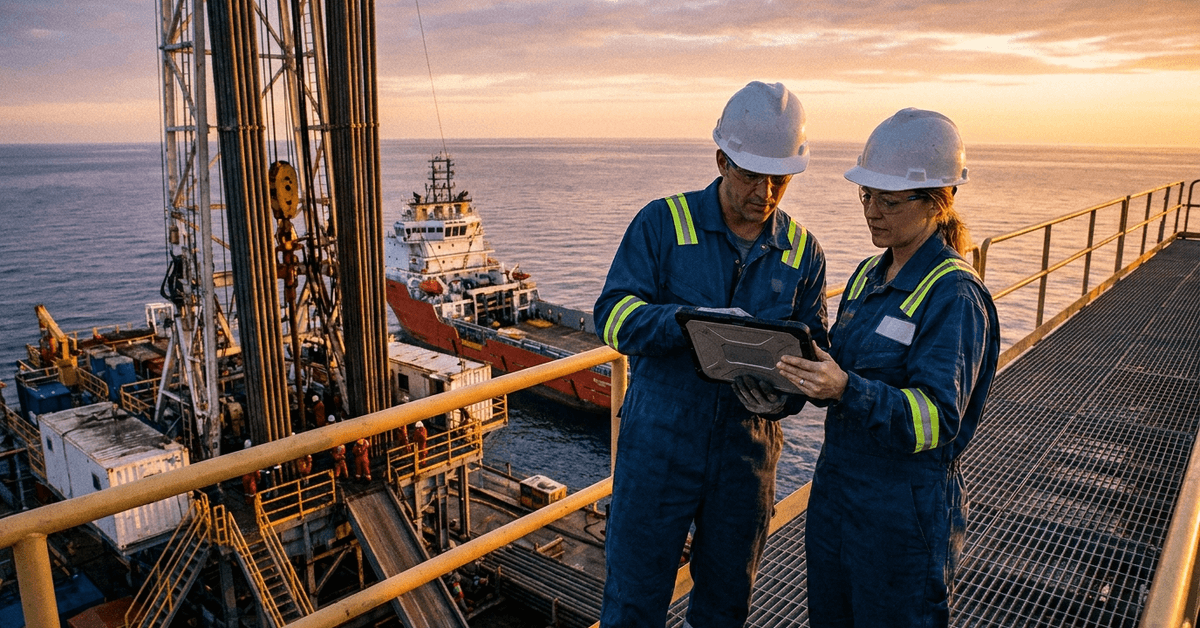
The highest concentration of high-paying oil industry jobs clusters around mature oilfields and offshore zones.
North America (particularly Texas, Alberta, and the Gulf of Mexico), the Middle East (Saudi Arabia, UAE, Qatar), West Africa (Nigeria, Angola), and parts of Northern Europe (Norway, UK North Sea) are the primary hiring regions in 2026.
Major Employers Worth Watching
Companies like Shell, ExxonMobil, BP, TotalEnergies, Saudi Aramco, and Petrobras run large hiring operations.
National oil companies in the Middle East tend to offer competitive packages that include housing, transportation, and tax advantages that inflate total compensation beyond the base salary.
Job boards focused on the sector are the best starting point for active searches:
- Rigzone posts openings across upstream, midstream, and downstream roles globally
- LinkedIn's oil and gas job section allows filtering by company, location, and seniority level
- Company career pages at Shell, BP, and ExxonMobil list positions that may not appear on third-party boards
For entry-level candidates, internship and training program announcements from major operators tend to appear in Q1 and Q2 of each year. Timing applications to those windows matters more than sending a resume in September.
The Rotation Schedule Trap Nobody Calculates
I think the biggest gap in oil career advice is the failure to calculate what rotation schedules cost outside of money. A 28/28 offshore rotation means spending half your life at a platform. Over a five-year stretch, that is roughly 2.5 years away from home.
Every article about oil industry pay mentions the salary. Almost none of them ask: what does your professional network look like after five years of being unreachable for half of each month? How do you attend industry conferences, build relationships at headquarters, or position yourself for a corporate leadership role when your calendar has permanent blackout periods?
My take on the common advice to "start on the rig and work your way up" is that it made sense a decade ago, but digital monitoring, remote operations, and data analytics roles at the same oil companies now offer a path to comparable long-term earnings without sacrificing the career mobility that field rotations destroy.
Shell and BP both have expanded their digital operations teams since 2023, and those roles pay competitively while keeping you connected to headquarters.
The rig-first path still works for people who want drilling supervisor or field operations careers specifically. But as a general career strategy for maximizing lifetime earnings in oil? I think the data and digital entry point is better in 2026.
Qualifications That Get You Hired Faster
Breaking into oil requires planning around credentials that matter to hiring managers. The wrong certification wastes time and money.
Engineering and geoscience roles almost always require an accredited degree and often a Professional Engineer (PE) license or equivalent. Graduate degrees help for research-oriented positions, but a master's is not required for most operational roles.
For mid-level technical positions, specific certifications carry weight:
- NEBOSH or IOSH certifications for HSE roles
- Welding and heavy equipment operation credentials for field technicians
- IWCF (International Well Control Forum) certification for drilling positions
- Digital skills in SCADA systems, reservoir simulation software, or production data analytics for emerging tech roles
One mistake to avoid: collecting certifications without field context. A safety certification means more when paired with documented time on an operational site.
Hiring managers at major operators can tell the difference between classroom-only credentials and applied experience.
Tax and Legal Surprises for International Oil Workers
Oil professionals who take contracts abroad face double taxation risks unless they clarify their residency status before signing.
Many countries have bilateral tax treaties, but the details vary by contract structure, length of assignment, and home country rules.
Checking tax obligations with a specialist before accepting an international oil contract can prevent five-figure surprises. The cost of an hour with an international tax advisor is trivial compared to an unexpected tax bill at year-end.
Questions People Ask About High Paying Oil Industry Jobs
Q: Do oil industry jobs require a college degree?
Some of the highest-paid roles, like drilling supervisor, can be reached through trade school and field experience alone. Engineering and geoscience positions do require degrees, and licensing adds an edge in competitive hiring pools.
Q: Are oil industry salaries going down because of renewable energy?
Not across the board. Roles tied to traditional drilling face slower growth, but positions bridging oil operations and energy transition tech have seen salary increases since 2023 as companies like TotalEnergies expand hybrid energy divisions.
Q: How long does it take to reach a six-figure oil industry salary?
It depends on the role. Petroleum engineers can reach six figures within a few years of graduation. Field technicians may need five to eight years of progression, depending on certifications and willingness to take remote postings.
Q: Is it worth working offshore for the higher pay?
The money is real, but so is the personal cost. Calculate the rotation schedule against your life priorities before accepting. A 28/28 rotation over five years means 2.5 years physically away from home, and that number changes the math for a lot of people.
Q: What is the safest oil industry job?
Office-based roles like reservoir engineering and production data analytics carry lower physical risk than field positions. HSE manager roles are field-adjacent but focused on preventing the hazards rather than working directly around them.
Conclusion
The oil industry in 2026 still pays some of the highest salaries available to technical professionals. Rotation schedules and market cycles add complexity that a salary number alone cannot capture.
Choosing the right entry point matters more than chasing the highest starting offer. The smartest move is matching your career timeline to a role that builds transferable value.