

Quality dental care can be expensive, especially when implants are involved. Colombia attracts patients seeking lower treatment costs and modern dental services.
This guide explains pricing, clinic selection, treatment stages, risks, cities, and travel planning. It also highlights important checks before arranging care abroad.
Why Choose Colombia for Low-Cost Dental Implants?
Colombia attracts dental tourists because treatment can cost less than elsewhere. Its appeal combines price differences with modern clinics, specialist services, and patient support.
Competitive Prices Without Sacrificing Quality
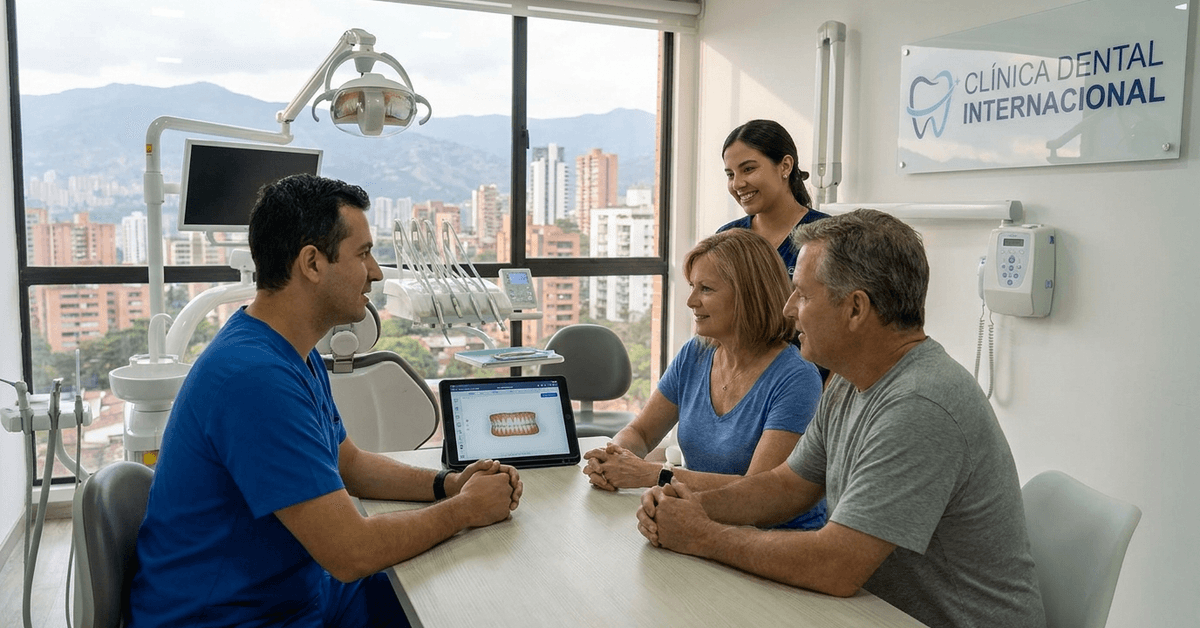
Lower operating costs can make implant treatment cheaper than in the United States or Canada. However, lower prices do not confirm quality.
Patients should compare qualifications, implant systems, treatment plans, and aftercare before choosing a provider.
Modern Dental Clinics and Facilities
Bogotá, Medellín, and Cali have clinics offering digital imaging and implant dentistry. Many practices advertise modern equipment for international patients. Patients should verify that the clinic is registered and its services are authorised.
Specialists Trained Internationally
Some Colombian dentists complete postgraduate or additional training locally or abroad. International study can provide useful experience, but credentials need checking. Patients should ask who performs each procedure and what formal training that professional has.
Understanding the Real Cost of Dental Implants in Colombia
Implant prices vary between clinics, cities, materials, and treatment plans. A quote should show the complete treatment cost rather than only the implant fee.
Average Price Ranges
Private estimates place a complete single implant in Colombia around the low four figures in US dollars. Full-arch treatment costs more and depends on implant quantity, materials, imaging, grafting, and complexity.
- Single implant with abutment and crown: often around $900–$1,600 USD
- Full-arch treatment: several thousand dollars per arch
- Consultation and diagnostic imaging: free at some clinics and charged separately at others
What's Included in the Cost?
Some clinics bundle imaging, surgery, implant components, and follow-up visits. Others price individual stages separately, making initial quotes look lower. Request an itemised plan explaining materials, fees, medications, grafts, sedation, and aftercare.
How to Choose the Right Dental Clinic in Colombia?
Affordability should be considered alongside safety, qualifications, treatment planning, and aftercare. Patients can reduce avoidable risks by checking official registration and asking detailed questions.
Look for Verified Credentials
Colombia formally registers and enables healthcare providers and services. Patients can use MinSalud and the REPS registry to check provider status. Professional licences, specialty credentials, and authorised services should also be verified.
Check Patient Reviews and Testimonials
Reviews can reveal communication, organisation, and follow-up experiences. However, online testimonials cannot replace credential checks or a clinical assessment. Reading comments across independent sources can provide a more balanced picture.
Ask About Experience with International Patients
Clinics serving overseas patients may offer bilingual communication and treatment coordination. These support services can simplify multi-visit planning. Ask how emergencies and complications are handled after the patient returns home.
Tourism and Dental Packages
Some providers combine treatment with accommodation or transport. These bundled packages may be convenient but should not distract from clinical quality. Separate treatment costs from travel extras when comparing value.
Treatment Process: What to Expect with Dental Implants in Colombia
Dental implants usually involve assessment, surgery, healing, and restoration rather than one appointment. The treatment timeline depends on bone condition, implant stability, healing, and additional procedures.
Initial Consultation and Planning
The dentist reviews medical history, oral health, imaging, and jawbone condition. Diagnostic imaging helps determine implant position and grafting needs. Patients should receive a clear treatment sequence, alternatives, risks, and recovery information.
Surgical Placement of the Implant
During surgery, the implant fixture is placed into the jawbone, usually with local anaesthesia. Sedation may be available when clinically appropriate.
Patients should receive instructions covering medication, diet, hygiene, warning signs, and emergency contacts.
Osseointegration and Healing
After placement, bone needs time to integrate with the implant before final restoration. This healing period often lasts several months but varies by patient. Temporary restorations may be possible under the dentist's recommendations.
Placement of the Abutment and Crown
Once healing is satisfactory, the restorative stage connects an abutment and final crown. The dentist checks fit and function, bite, appearance, and tissue response.
Patients should receive guidance because implants require long-term hygiene and professional monitoring.
Main Risks and Points to Consider
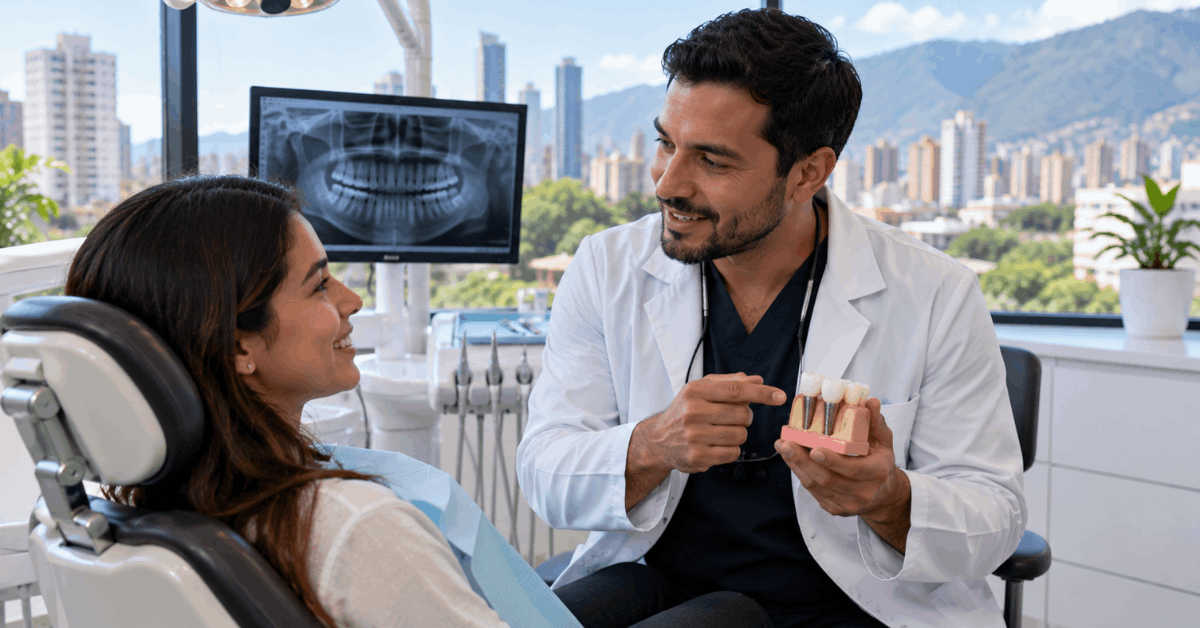
Dental implant treatment carries risks even when performed by qualified professionals. Infection, implant failure, nerve injury, sinus complications, poor fit, and healing problems should be discussed beforehand.
Aftercare and Follow-Up
Implants require follow-up during healing and after restoration. International patients should clarify aftercare arrangements, including who handles complications after returning home.
Warranty terms should be reviewed because travel costs or corrective procedures may not be included.
Legal and Safety Standards
Colombian healthcare providers must meet registration and service requirements. The national quality framework includes provider registration, patient safety, and authorised services. Patients should verify clinic status through official sources instead of marketing claims.
Understanding Your Financial Responsibility
Insurance coverage abroad varies by policy. Some plans may exclude or limit international dental care, travel expenses, or corrective treatment.
Patients should contact their insurer before booking and budget for additional procedures or return visits.
Best Cities and Clinics for Dental Implants in Colombia
Bogotá, Medellín, and Cali are commonly considered by international dental patients. The best choice depends on clinical needs, credentials, travel logistics, and follow-up planning.
Bogotá
Bogotá has a large healthcare sector and many dental specialists and clinics. Its international connections can simplify travel planning. Patients should compare providers individually rather than assume city location guarantees quality.
Medellín
Medellín is another destination for private dental care and medical tourism. The city offers specialist clinics serving local and international patients. Verification of credentials, treatment details, materials, and aftercare remains essential.
Cali
Cali also has established dental practices and specialist services. Some clinics provide international patient support and bilingual communication. Patients should compare travel costs, clinical experience, registration, and follow-up options.
Tips for Planning Your Dental Trip to Colombia
Good planning should cover clinical care and travel logistics. These practical checks can help patients compare options carefully.
- Request itemised quotes from several clinics before making a deposit.
- Verify clinic registration, dentist credentials, and implant materials.
- Budget for flights, accommodation, medicines, follow-up, and unexpected care.
- Ask for a written treatment timeline before booking return travel.
- Review aftercare, complication, refund, and warranty policies in writing.
- Keep copies of scans, treatment records, invoices, and implant documentation.
Conclusion
Colombia can offer lower-cost dental implant treatment for patients who research providers carefully. Price should be balanced with clinical quality, credentials, planning, safety, and long-term follow-up.
Verifying authorised providers and understanding the treatment timeline can reduce uncertainty. Careful comparison helps patients carefully make a better-informed decision before travelling for dental care.