

Dental implants can restore chewing, appearance, and confidence. For patients facing high treatment costs, Mexico is often considered for lower-cost implant care.
This guide explains prices, types, destinations, clinic selection, safety, travel, and payment issues. It helps readers compare options with clearer expectations before treatment.
Why More Patients Choose Dental Implants in Mexico?
Patients consider Mexico because implant treatment can cost less than at home. However, overall value depends on quality, travel costs, follow-up, and complications.
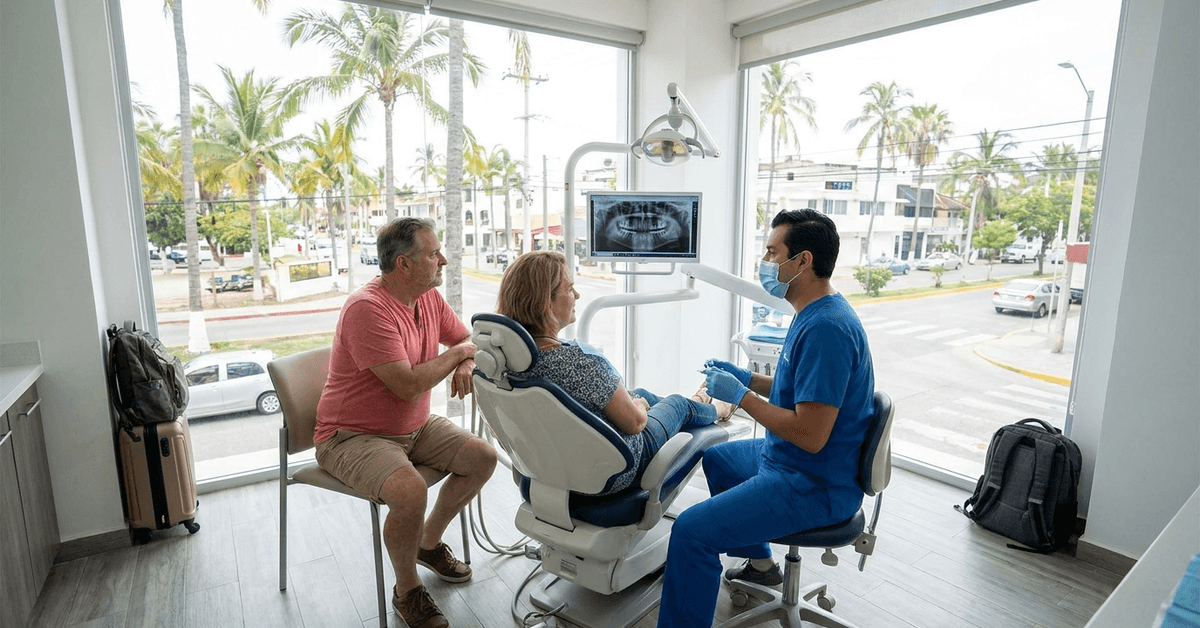
Significant Cost Savings
Lower prices are a major reason patients explore treatment in Mexico. The total expense can include scans, grafting, temporary restorations, travel, medication, and return visits. Itemized quotes show whether the savings remain meaningful after all expected costs.
Accessibility and Short Waiting Times
Some dental tourism centers offer consultations and treatment dates quickly. This appointment access can help patients coordinate limited vacation time.
Faster scheduling should not replace diagnosis, imaging, healing periods, or an individualized treatment plan.
Modern Facilities and Experienced Dentists
Many Mexican clinics advertise digital imaging, sterilization systems, and English-speaking staff. These clinical resources can help, but equipment alone does not prove a dentist’s training or implant experience. Patients should verify credentials, ask who performs each stage, and consider a second opinion.
Dental Implant Prices in Mexico: What to Expect
Prices vary by city, clinic, implant system, bone condition, prosthetic material, and complexity. These illustrative ranges should be confirmed through a written, patient-specific quote.
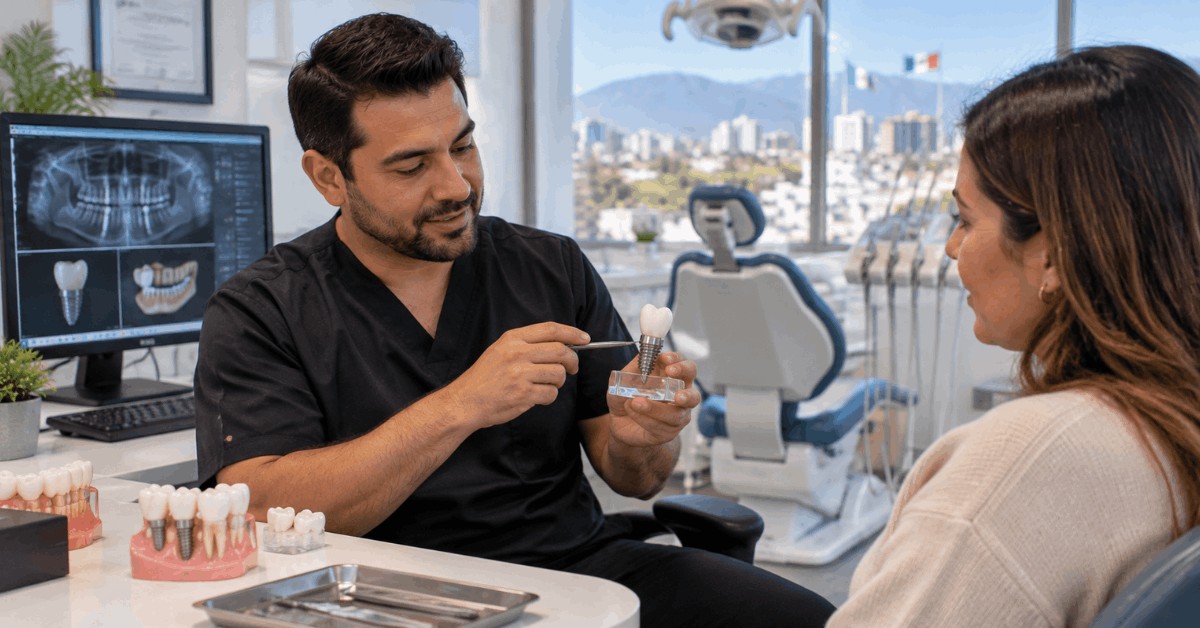
- Single dental implant: about USD $900–$1,600 when the package includes the implant, abutment, and crown.
- All-on-4 treatment: about USD $7,000–$11,000 per arch in some advertised packages.
- Implant-supported bridge: about USD $2,500–$4,200 for selected three- or four-tooth cases.
Top Mexican Cities and Clinics for Dental Implants
Several destinations have developed dental tourism markets near the U.S. border and tourist areas. Patients should compare provider credentials, treatment plans, infection control, aftercare, and reviews rather than choosing by destination.
Tijuana
Tijuana is a major dental tourism destination because it is close to San Diego. Its large clinic selection gives patients many treatment approaches to compare. Credential checks remain important because training and aftercare policies can differ.
Los Algodones
Los Algodones is associated with cross-border dental tourism and has dental offices. Its compact clinic area can make consultations convenient for nearby travelers.
Patients should verify each dentist rather than assuming popularity guarantees consistent standards.
Cancun
Cancun combines tourism infrastructure with clinics serving international patients. The travel convenience may appeal to people wanting airport access and established accommodation.
- Compare the treating dentist’s professional licence and implant experience.
- Ask whether the same clinician completes surgical and restorative stages.
- Confirm how emergencies are handled after returning home.
- Keep vacation activities separate from recovery after invasive treatment.
Types of Dental Implant Treatments Available
Implant treatment varies according to bone, gums, remaining teeth, health history, and goals. A comprehensive examination should come before decisions about implant number, timing, or full-arch care.
Single Tooth Implants
A single implant usually replaces one missing tooth without using neighboring teeth for support. The implant restoration generally includes a fixture, abutment, and crown after healing. Some patients need grafting or delayed loading before the final crown.
Implant-Supported Bridges
An implant-supported bridge can replace several adjacent missing teeth using fewer implants than one per tooth. This restorative option may avoid support from natural teeth. Design depends on bone, bite forces, implant positions, and the treatment plan.
Full Arch Restorations (All-on-4, All-on-6)
Full-arch treatment uses several implants to support replacement teeth across an arch. These complex restorations require careful diagnosis because bone, bite, hygiene, and remaining teeth affect suitability.
Patients should ask whether “same-day” teeth are temporary and when the final prosthesis is delivered.
Zygomatic and Mini Implants
Zygomatic implants may be considered for severe upper-jaw bone loss, while mini implants have different indications.
These specialized treatments are not suitable for everyone and may require advanced surgical experience. Patients should ask about training, alternatives, complications, and maintenance.
What to Consider When Choosing a Dental Clinic?
The lowest quote is not necessarily the safest choice. A careful comparison should consider credentials, diagnosis, materials, infection control, costs, and follow-up.
- Verify the dentist’s professional licence through Mexico’s official credential registry.
- Ask for the implant brand, model, and records needed for future maintenance.
- Request an itemized plan covering scans, surgery, prosthetics, medications, and follow-up.
- Ask who performs surgery and whether a specialist is involved in complex cases.
- Review ADA patient guidance and consider a second opinion.
- Confirm how complications, repairs, warranties, and return visits are handled.
Potential Risks and Patient Safety
Dental tourism can reduce upfront costs, but complications may create additional expenses. The main risks include infection, implant failure, nerve injury, poor-fitting restorations, and interrupted follow-up.
What to Verify Before Going
Patients should complete safety checks before paying deposits or booking travel. These pre-travel checks can clarify responsibilities and aftercare.
- Confirm the treating dentist’s licence and relevant implant training.
- Share complete medical, medication, allergy, and dental histories.
- Ask what records and imaging will be provided after treatment.
- Confirm who to contact if pain, swelling, infection, or prosthetic problems occur.
- Plan enough recovery time instead of combining surgery with strenuous activities.
- Arrange follow-up at home when ongoing monitoring will be needed.
Legal, Travel, and Financial Considerations
International treatment involves documents, insurance, contracts, and cross-border follow-up. Patients should understand practical responsibilities before committing to a clinic.
Travel Documents and Health Safety
Travelers should confirm entry requirements for Mexico and their return home. Good travel planning includes recovery time, treatment records, and emergency-care options.
Insurance should be checked because routine travel coverage may exclude planned dental treatment or related complications.
Legal Protections
Complaint processes may differ from those at home. Before treatment, written agreements should explain procedures, fees, warranties, refunds, complications, and the responsible provider. Patients can verify credentials and seek another opinion if a plan seems unusually aggressive.
Payment Methods
Clinics may accept cards, transfers, financing, or deposits. A payment schedule should identify what is due before surgery and during restorative stages. Patients should keep receipts, contracts, implant records, and written communication.
Conclusion
Dental implants in Mexico can offer lower treatment costs, but price should be weighed against quality, travel, aftercare, and complications. Patients should verify credentials, request itemized plans, understand the implant system, and arrange appropriate follow-up.
Independent advice can be valuable before committing to extensive or irreversible treatment abroad. Careful preparation helps keep long-term oral health at the center of the decision.