

Managing international payments has never been more relevant, especially as online businesses and remote work continue to expand.
For anyone looking to work with clients or partners across borders, selecting a secure and versatile banking solution often becomes a top priority.
In this article, we’ll discuss Payoneer’s global banking features—useful for freelancers, eCommerce operators, and even larger companies navigating international payments and transfers.
What Is a Payoneer Account?
A Payoneer account is a digital banking tool designed for sending, receiving, and managing money across different countries.
The platform aims to make global financial transactions as seamless as possible, offering various features to individuals and businesses alike.
While many digital wallets exist, a Payoneer account tends to focus on broad access—bridging local and international payments with several banking-like capabilities.
Main Global Banking Features of Payoneer
Payoneer includes tools designed to simplify international payments and money management. These features can help users receive, hold, and transfer funds across multiple countries and currencies.
Multi-Currency Account Management
Unlike some traditional banking options, a Payoneer account lets users hold balances in diverse currencies. This can be especially handy for freelancers or eCommerce sellers who frequently get paid in dollars, euros, pounds, or even yen.
Managing various payment streams in one place saves time and can reduce currency conversion losses. However, the reality is that currency exchange rates fluctuate, so some find it helpful and others prefer to keep funds in a single currency for simplicity.
Receiving Accounts in Multiple Countries
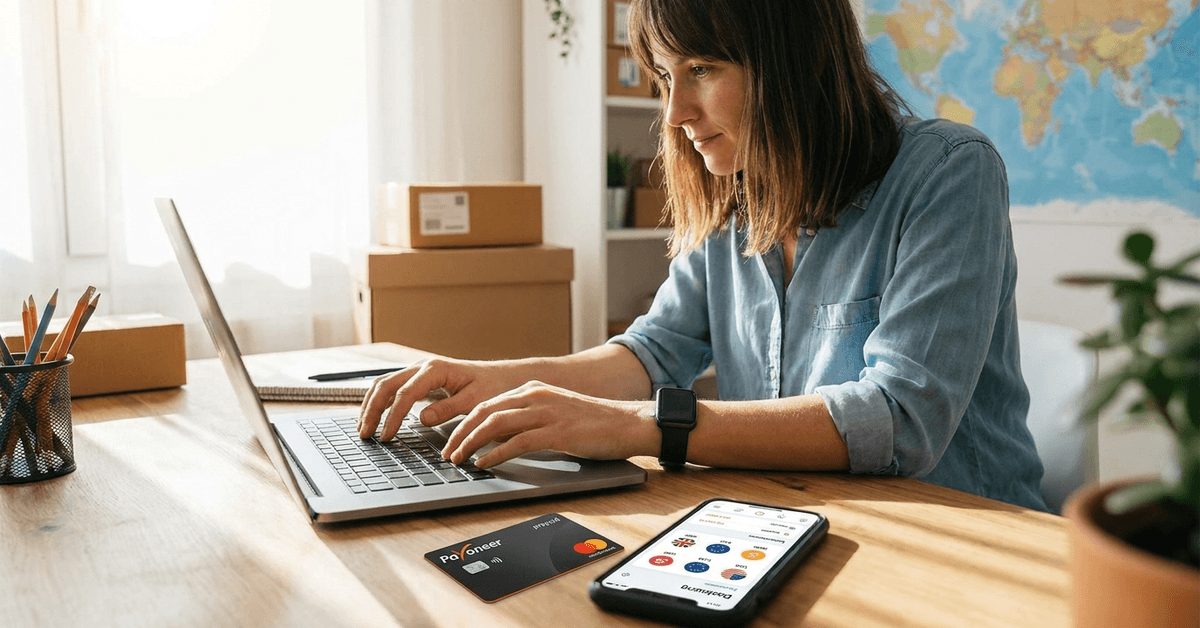
A standout feature is the ability to access local receiving accounts, sometimes called Global Payment Service.
These work almost like having local bank accounts—such as a US checking account, a UK account, or a Eurozone IBAN—even if you don’t physically live there.
Payments from clients or platforms in those regions can be processed as local transfers, often at lower costs and with quicker delivery compared to international wire transfers.
International Payments and Transfers
Payoneer supports sending and receiving payments internationally, removing the need for several third-party intermediaries. Many users leverage this service to pay suppliers, contractors, or partners worldwide.
Transfers to other Payoneer accounts usually arrive instantly, while bank withdrawals may require more time depending on local banking systems—not all countries process at the same speed, so occasional delays do happen.
Payoneer Mastercard Prepaid Card
For those wanting access to their balance outside the online platform, Payoneer offers a physical or virtual Mastercard.
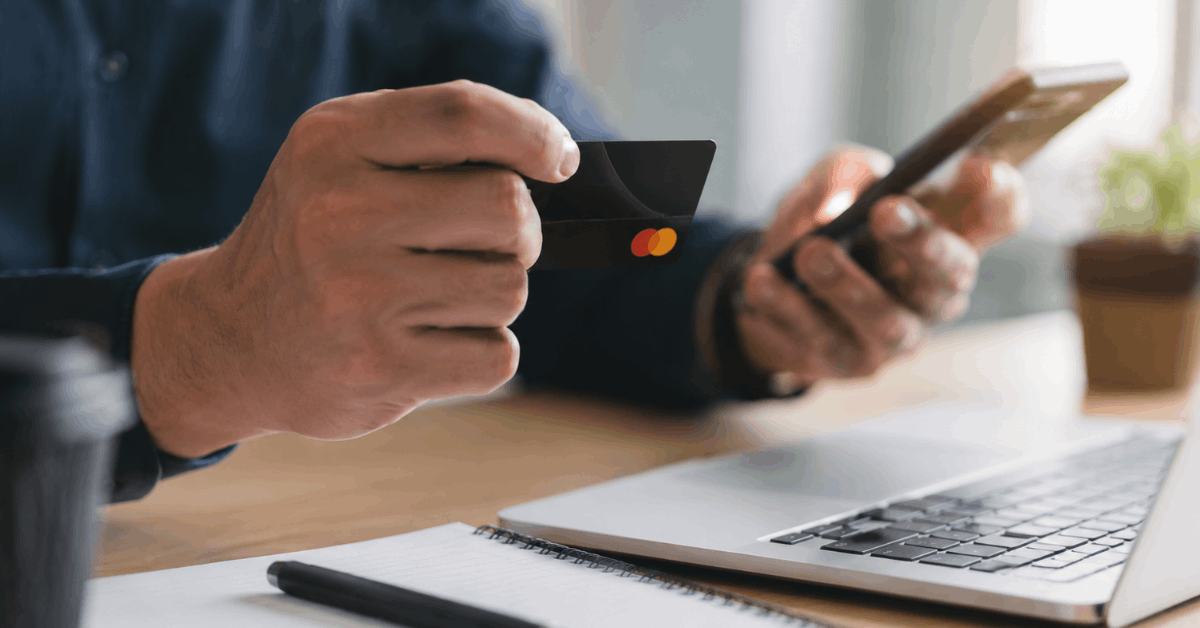
This card can be used for online purchases or ATM withdrawals in most countries. Not everyone chooses to get the card, but it’s a practical option for those without easy access to digital-only transfers or who travel frequently.
Automated Payment Requests and Invoicing
Sending payment requests or professional invoices is possible within the Payoneer dashboard. This provides a convenient way for freelancers or small businesses to collect funds from clients.
Some find the feature sufficient for their needs, while others look for more advanced invoicing tools elsewhere. Still, the basic functionality may be enough for a lot of straightforward business arrangements.
Who Benefits from a Payoneer Account?
Payoneer is designed for people and businesses that regularly send or receive international payments. It can be especially useful for users managing clients, marketplaces, or suppliers across different countries.
Freelancers Working Internationally
Remote work has become normal for many, and freelancers often collaborate with clients located in different countries.
A Payoneer account can serve as an all-in-one payment hub. However, some freelance platforms or clients may prefer other solutions, so even with its flexibility, a Payoneer account is not an absolute necessity for everyone.
eCommerce Sellers and Marketplace Operators
Businesses selling on platforms like Amazon, Wish, or Lazada might require fast and affordable payment processing. Payoneer is frequently integrated into these marketplaces, giving sellers direct ways to manage sales in multiple currencies.
Yet, it’s not always the default payout method—consider exploring all payout options for each platform.
Startups and SMBs with International Suppliers
Smaller companies working with global freelancers or suppliers may find Payoneer’s batch payment and mass payout tools useful. Automating multiple transfers at once simplifies administration.
While some larger companies use direct bank relationships, many growing businesses see advantages in switching to such platforms for at least part of their workflow.
Key Advantages of Global Banking Tools from Payoneer
Payoneer’s global banking tools are designed to simplify international payments and cross-border business. These features can help users save time, reduce costs, and manage funds more efficiently across multiple markets.
Reduced International Transfer Fees
One of the most cited benefits is potentially lower fees, compared to conventional bank and wire transfers. Direct receiving accounts mean payments can be made like a local transfer, often at better rates for both sender and receiver.
Still, always check Payoneer’s and your local bank’s fee schedule to know exactly what will be deducted. Fees change, sometimes unexpectedly, impacting your actual received amount.
Quick Access to Funds
Instead of waiting several business days for wired money to appear, Payoneer users often experience faster delivery, particularly for platform or peer-to-peer transfers.
However, processing times differ by region and the banking systems involved—an occasional holdup is not impossible. For those with urgent financial needs, this is worth keeping in mind.
Bank Withdrawals to Local Currency
With Payoneer, it’s possible to withdraw funds from your multi-currency balances to your local bank account.
This can save considerable time and may reduce costs compared to using multiple conversion steps. Yet, foreign exchange rates can be unpredictable, and the conversion spread is always a cost you’ll want to consider.
Security and Compliance Practices
Payoneer is regulated by financial authorities in various countries, aiming to meet global anti-money laundering and compliance standards.
Account security features include two-factor authentication, transaction monitoring, and strict account verification.
While this enhances safety, some users may find onboarding cumbersome, especially when documentation requests seem repetitive. Frustrating at times, but it reflects the platform’s need to comply with international law.
Dispute and Chargeback Management
The ability to resolve payment disputes or handle chargebacks is built into Payoneer’s workflows. For example, if a client claims non-delivery, there are clear escalation procedures.
The process may not always result in outcomes everyone agrees with—but a structured support system exists, and that’s arguably better than having no recourse at all.
Limitations and Points to Consider
Payoneer offers many advantages, but it also has limitations that may affect some users. Reviewing country availability, fees, and support options can help you decide if it meets your business needs.
Supported Countries and Currencies
Despite its global reach, Payoneer is not available in every country or with every currency. Some regions—especially those under international financial restrictions—may have limited access. Checking the up-to-date support page from Payoneer before signing up is recommended.
Fee Transparency
Some users have expressed concerns that fee structures change over time, or that some charges appear only under certain circumstances (like currency conversion, ATM withdrawals, etc.).
It’s useful to regularly review the full fee schedule, which is available within your account’s dashboard, to avoid unexpected surprises. No service is completely free—better to factor changing fees into business planning.
Customer Service Accessibility
While Payoneer provides support through various channels—including chat, email, and resources—response times can vary.
In urgent cases, some users seek answers in online forums or help centers, especially outside regular business hours. Experience will differ; sometimes issues are resolved swiftly, sometimes patience is required.
Getting Started: Account Setup and Verification
Setting up a Payoneer account involves a few identity and banking checks before full access is granted. Once verified, users can start receiving payments through supported local account details.
Registration Process
Signing up involves submitting personal or business details, contact information, and bank details for withdrawals.
Documentation requirements may include government-issued ID, proof of address, or business licensing, depending on the account type.
It sounds like a lot, and admittedly, sometimes it can feel repetitive—yet it reflects regulatory requirements for anti-fraud and compliance.
Account Verification
Typically, verification involves providing digital copies of your documents and confirming ownership of the withdrawal bank account.
Approval times differ, and occasionally, requests for additional documentation slow down the process. Some users find this step straightforward; others find it a touch more involved than expected.
Receiving Global Payments
Once verified, users are assigned local receiving accounts in supported currencies. Payment instructions can be shared with international clients, partners, or marketplaces. The clarity of these instructions tends to minimize common cross-border payment errors.
Tips for Managing Payoneer Global Payments
Payoneer can be useful for cross-border payments, but checking fees and account rules helps you avoid surprises.
- Review transfer fees.
- Monitor exchange rates.
- Use local receiving accounts.
- Enable two-factor authentication.
- Keep documents updated.
- Track tax records.
Conclusion
Payoneer can help freelancers, eCommerce sellers, and businesses manage international payments more efficiently.
Its multi-currency balances, local receiving accounts, invoicing tools, and prepaid card options make cross-border transactions easier.
However, users should review fees, supported countries, verification requirements, and withdrawal rules before relying on it fully. Used carefully, Payoneer can support smoother global payments and better financial organization.