

Flights under R$200 haven’t disappeared, they just require smarter timing and sharper tools.
Airlines in Brazil use real-time pricing to fill empty seats, and the result is ongoing access to affordable fares on select routes.
With the right strategy, you can consistently unlock sub-R$200 tickets across Brazil and nearby countries, no luck involved.
Why Sub-R$200 Fares Still Exist
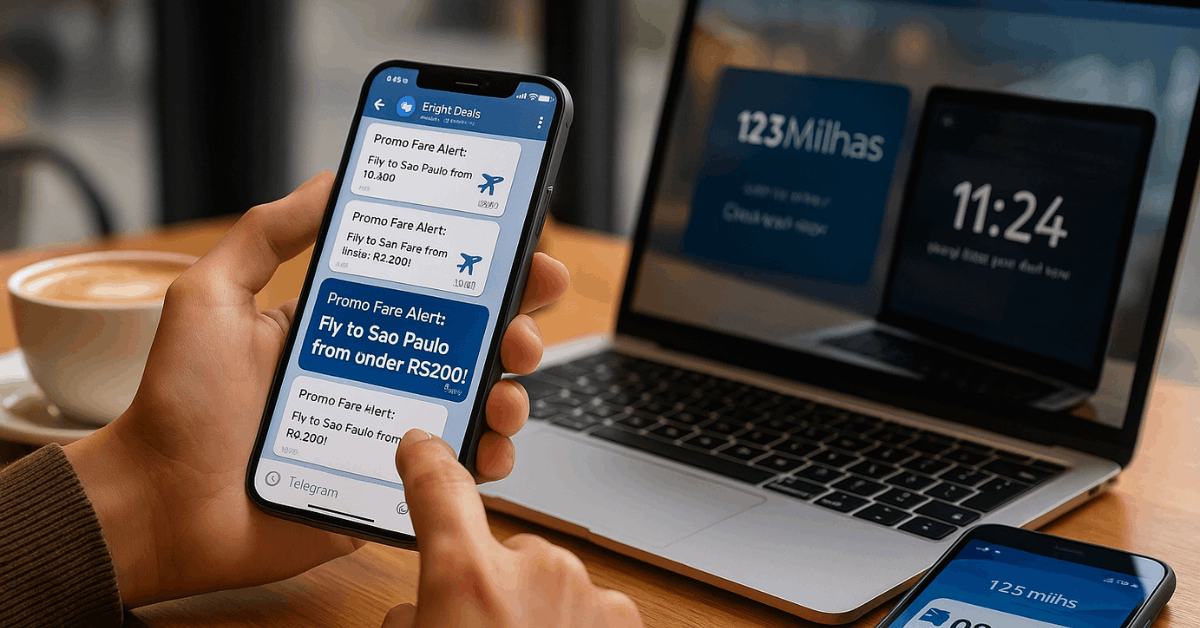
Strategic shoppers continue to book seats under R$200 because airlines in Brazil adjust prices minute-by-minute to fill empty cabins.
Dynamic pricing engines, regional carriers, and a surge of digital ticketing apps keep competition fierce, so promotional seats remain in play on many domestic Brazilian routes and a surprising list of nearby international hops.
Flash discounts appear most often on low-demand days, red-eye departures, and less congested airports, making your timing just as important as your budget.
Timing the Purchase for Maximum Savings
Securing a sub-R$200 fare hinges on booking windows as much as search tools. Airlines raise or cut rates based on historical demand curves, so you gain leverage by booking at the least competitive moments.
- Mid-week sweet spots: Prices commonly dip late Monday night through Wednesday afternoon when business travelers have locked plans and leisure demand is quiet.
- Advance-purchase balance: Seats often drop between 21 and 45 days before departure because carriers finalize load forecasts, yet last-minute flash deals can appear inside seven days on under-sold flights.
- Avoid peak surcharges: Friday through Sunday, national holidays, and school breaks drive demand spikes that erase low-fare inventory, so plan flexibility whenever possible.
Using Comparison Tools and Price Alerts
Comprehensive search platforms eliminate guesswork by aggregating fares in Brazil and flagging temporary markdowns. Activate alert functions to let algorithms track fluctuating prices on your behalf.
| Platform | Distinct Advantage | Useful Feature for Low-Fare Hunters |
| Google Flights | Real-time pricing directly from airlines and agencies | Calendar heat-map shows the cheapest combination of dates at a glance |
| Skyscanner | Extensive global database plus budget carriers | “Cheapest Month” search unveils the lowest average fare without date input |
| Kayak Brasil | Localized filters tailored to Brazilian airports | Push notifications for any tracked route under a target price |
| 123Milhas | Converts unused miles into cash tickets | “Promo Radar” highlights day-of-purchase discounts often below R$200 |
Quick value gain: Setting at least two competing alerts per route boosts exposure to limited-time drops that vanish within hours.
Leveraging Flash Sales and Promo Events
Flash promotions reduce base fares well below published averages, but speed is essential because inventory evaporates almost instantly. Airlines and third-party sellers announce most promos through owned channels first, giving subscribers a head start.
Action plan for lightning deals:
- Subscribe to carrier newsletters from Gol, Azul, and LATAM; promotional links often arrive before social media blasts.
- Follow Telegram and WhatsApp alert groups dedicated to airfare bargains; these channels frequently post vouchers with fifteen-minute redemption windows.
- Mark retail events such as Black Friday, Cyber Monday, and local Travel Week on your calendar; flash fares commonly dip below R$200 during these campaigns.
- Stack discount coupons from sites like CouponMom at checkout to shave the final price even further.
Budget Airlines and Alternative Airports
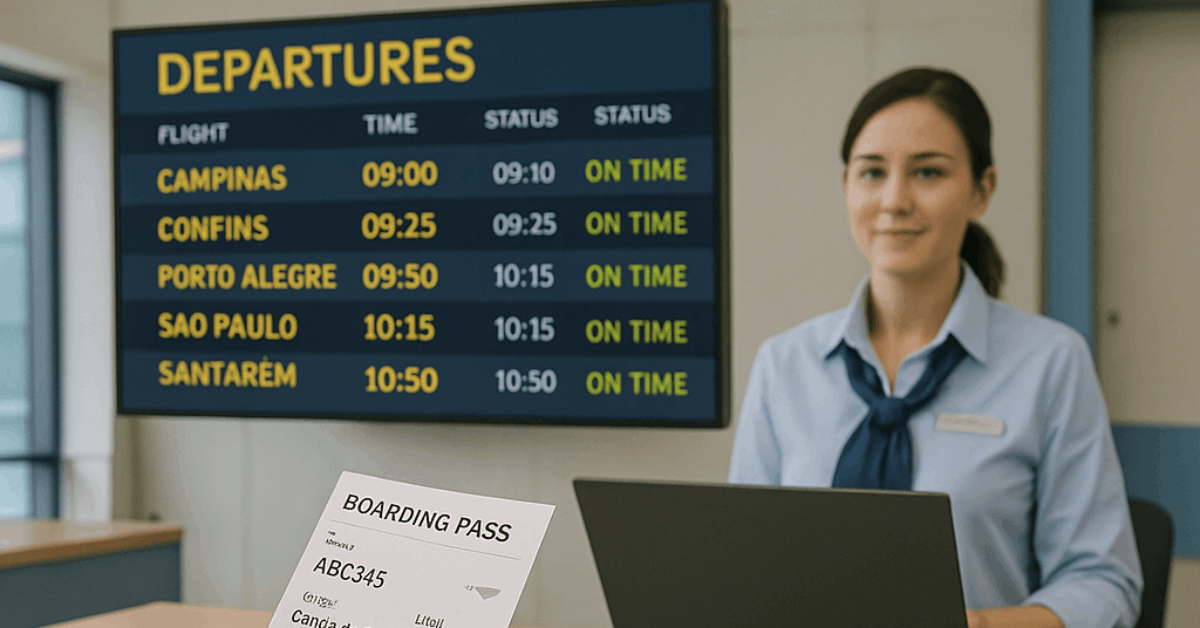
Flying low-cost carriers and shifting departure points drive substantial savings because fees and taxes vary by airport. Smaller hubs often feature lower operational costs, which translate into leaner fares.
Compare Leading Brazilian Budget Operators:
- Gol Linhas Aéreas – Broad domestic network, frequent in-app coupon drops, accepts international cards only on select channels.
- Azul Linhas Aéreas – Strong presence at Campinas (VCP); complimentary snacks and live TV soften the low-cost feel.
- LATAM Brasil Basic – Light-fare tier removes seat selection and checked baggage but offers aggressive base pricing during campaigns.
Alternative Airport Strategy
Activate a “nearby airports” toggle on your comparison tool, then weigh the total journey cost:
- Campinas (VCP) often undercuts São Paulo-Guarulhos by 20–30 percent on regional routes.
- Confins (CNF) near Belo Horizonte can serve as a cheaper origin versus Rio’s Galeão.
- Smaller Amazon gateways, such as Santarém or Boa Vista, occasionally post flash fares below larger Manaus.
Ground transfers via intercity bus or rideshare usually remain affordable, keeping the combined expense within budget.
Smart Routing: One-Way, Split, and Multi-City Tickets
Round-trip bookings are not automatically cheaper. Pricing engines treat each leg independently, so tailoring segments can drop the total below the R$200 ceiling.
Practical tactics:
- Separate outbound and return when price graphs show wide variance; one segment may sit at R$110 while the other costs R$80.
- Use multi-city search on Skyscanner to add an open-jaw or extended stopover that avoids congested hubs.
- Pair bus or rideshare legs with regional hops; flying into a secondary airport and finishing by road frequently beats nonstop airfare.
Packing Light to Avoid Ancillary Fees
Low base fares can balloon once extras pile on. Traveling with a single 10 kg carry-on protects the headline price while speeding you through airports.
Cost-Control Checklist:
- Select “tarifa light” or “basic economy” when available.
- Skip paid seat assignments unless traveling with children.
- Bring a refillable bottle instead of paying for drinks onboard.
- Decline in-path travel insurance if your credit card already covers emergencies.
Mixing Miles and Cash for Hybrid Payments
Frequent-flyer platforms enable part-payment awards, letting you combine modest point balances with small cash sums. That hybrid approach routinely keeps net spending under R$200.
Example structures:
- Smiles (Gol) – Domestic segments from 4,000 miles plus R$90 taxes.
- TudoAzul – Dynamic “points + money” sliders let you reduce out-of-pocket cost on high-tax routes.
- MaxMilhas – Marketplace buys third-party miles to issue discounted tickets even when your account is empty.
Earn credits through co-branded cards, dining programs, or stand-alone mileage sales that surface during seasonal promos.
Mobile-Only Deals and Real-Time Apps
Many platforms reserve their steepest markdowns for phone users, hoping to drive mobile adoption and spontaneous purchases. Push notifications beat email latency, so enable alerts and keep payment details stored for quick checkout.
Recommended downloads:
- 123Milhas App – Mile-based fares are often released to mobile channels first.
- MaxMilhas – Live tiles showcase countdown deals expiring within two hours.
- Decolar App – App-exclusive coupon codes appear during holiday weekends.
- Kayak – Price-tracking widget updates without opening the app, saving precious seconds during flash sales.
Avoiding Common Booking Pitfalls
Overlooking small details can nudge the final ticket cost far beyond your target. Vigilance during the final payment screens preserves your low fare.
- Verify taxes and service fees after loyalty points apply; some portals hide extras until the last page.
- Confirm seat availability when dealing with lesser-known resellers—tickets without confirmed PNRs risk cancellation.
- Cross-check airline baggage policies; budget carriers in Brazil vary on weight allowances even within Brazil.
- Avoid autofill cookies by switching to incognito mode, then compare two browsers to spot artificial price bumps.
2025 Travel Hacks Still Worth Using
Certain “old-school” tricks remain valid despite algorithmic changes. Combining them often unlocks sub-R$200 fares that escape casual researchers.
- Activate a VPN set to Argentina or Chile; currency differences and local promotions sometimes reduce displayed BRL totals.
- Quote fares in USD or CLP if your card’s FX margins are favorable; conversions can shave 5–8 percent.
- Monitor Telegram promo bots that post voucher codes seconds after release.
- Apply credit-card-linked coupons or cashback during checkout to reduce net cost at statement time.
Extra Tactics for Consistent Success
Integrate the practices below into every search routine to raise your hit rate throughout the year.
- Book early in the week, ideally Monday night or Tuesday morning.
- Target mid-week travel, especially Tuesday or Wednesday afternoon segments.
- Clear cookies or use a fresh incognito window before each new search batch.
- Compare at least three aggregators side by side to spot anomalies.
- Skip checked luggage unless the price difference remains under R$50.
- Join every free frequent-flyer scheme, even when traveling occasionally, because welcome bonuses offset taxes.
- Turn on route-specific email alerts and never delete one until the trip finishes.
Monitoring Regional Sales and Off-Season Promotions
Tourism boards in Brazil partner with airlines to stimulate traffic during shoulder months. Subscribing directly to state or municipal newsletters gives you a first look at subsidized airfares.
These limited-scope deals frequently appear for February, March, and October—periods when the weather remains pleasant yet crowds thin.
Stay clear of school vacations unless stacking a voucher; national demand surges often erase all low-fare inventory. When travel dates are immovable, combine split tickets and loyalty points to keep spending under the threshold.
Ready to Lock In Your R$200 Flight?
Every tactic above works independently, but combining them creates an edge most travelers overlook. Flexible timing, diligent price tracking, light packing, and rapid-fire redemption turn sub-R$200 targets into a realistic benchmark instead of a lucky break.
Create alerts tonight, clear a couple of mid-week windows on your calendar, and keep your payment method saved in your preferred mobile app.
Discounted seats in Brazil are waiting; they just move faster than casual browsers. Secure yours before the next flash sale expires, and enjoy spending the savings on experiences rather than transit.