

Cooking gas is a basic household cost, and price swings hit vulnerable families first. Auxílio gas allowance for low-income families is Brazil’s federal benefit aimed at easing that pressure.
Auxílio gas allowance for low-income families is paid on a set cycle and is tied to CadÚnico based targeting, not open enrollment.
If you want to understand what it is, what you can realistically expect, and how to join without wasting time, this guide breaks it down in plain terms.
What Auxílio Gás Is And Why It Exists
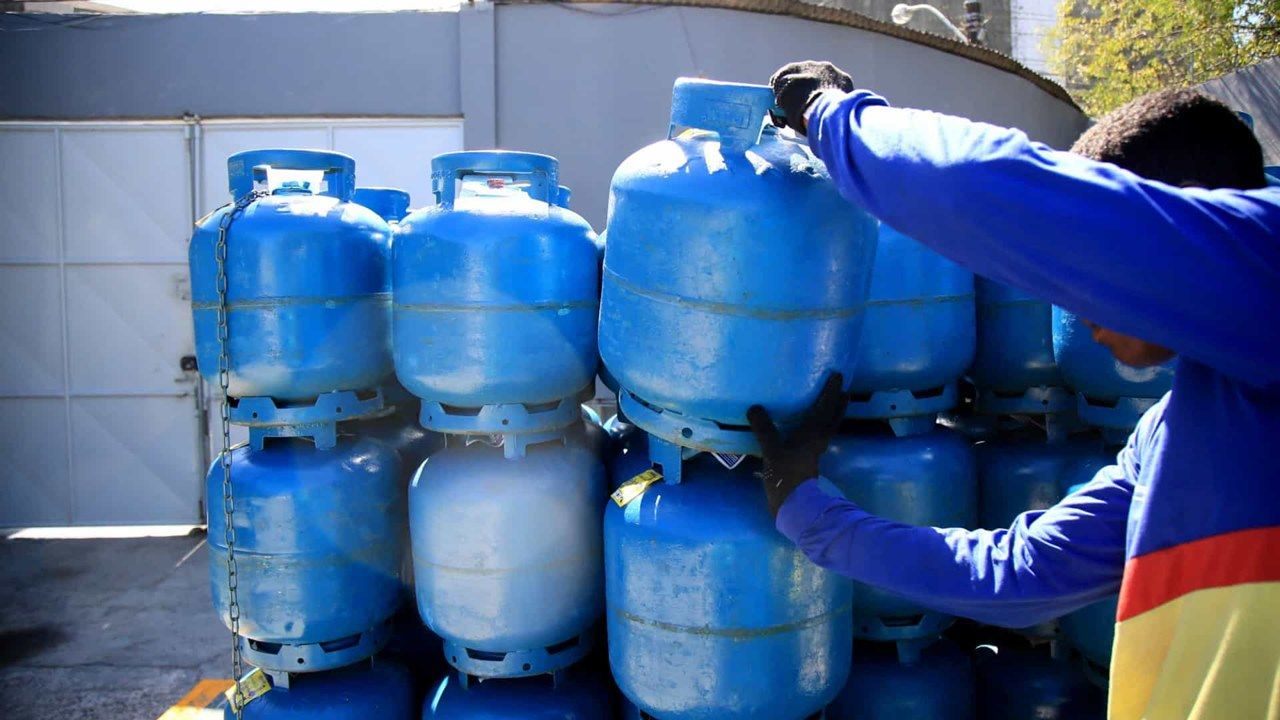
Auxílio Gás was created to reduce the budget shock caused by LPG prices for families in vulnerability.
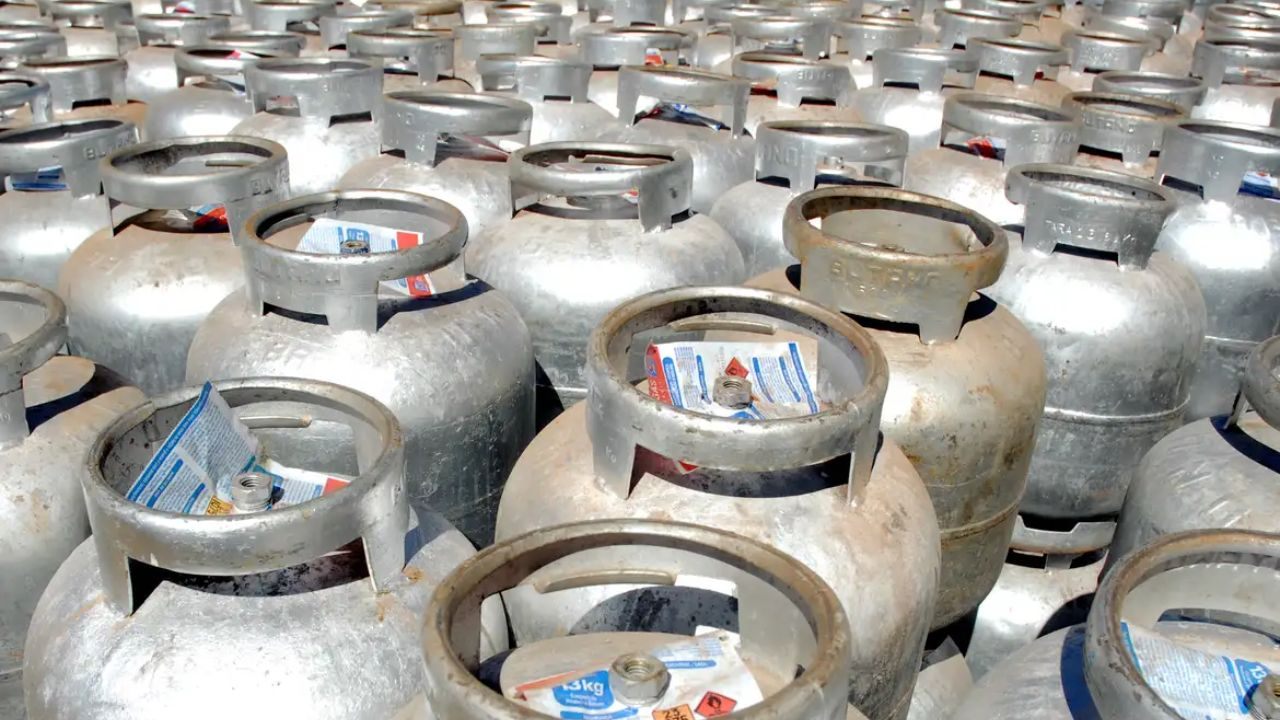
The benefit is designed as targeted support, not a universal discount for all households. It is linked to social registry data and federal selection rules, with payments handled through established benefit channels.
To follow it correctly, you need to separate what the law defines from what changes by payment cycle.
The Program Purpose And Who It Is Designed To Support
The program targets families registered in CadÚnico who fit low income filters defined by federal rules. In practice, it focuses on households most exposed to food and energy insecurity, where LPG cost competes with essentials.
You do not apply the way you apply for a job or a loan, because there is no public sign up form. Your main task is making sure your CadÚnico data is correct and current.
How The Benefit Fits Into Household Essentials
Auxílio Gás is meant to help you buy cooking gas, so it supports day to day food preparation at home. It does not replace income, and it does not cover the full household energy budget.
The program’s logic is to reduce a specific recurring expense that spikes unpredictably. That is why the payment schedule and the installment value matter more than marketing terms.
What Auxílio Gás Is Not And Common Misunderstandings
Auxílio Gás is not a monthly salary supplement and it is not a guaranteed payment for everyone in CadÚnico. Being registered is necessary, but selection can depend on policy limits and available budget per cycle.
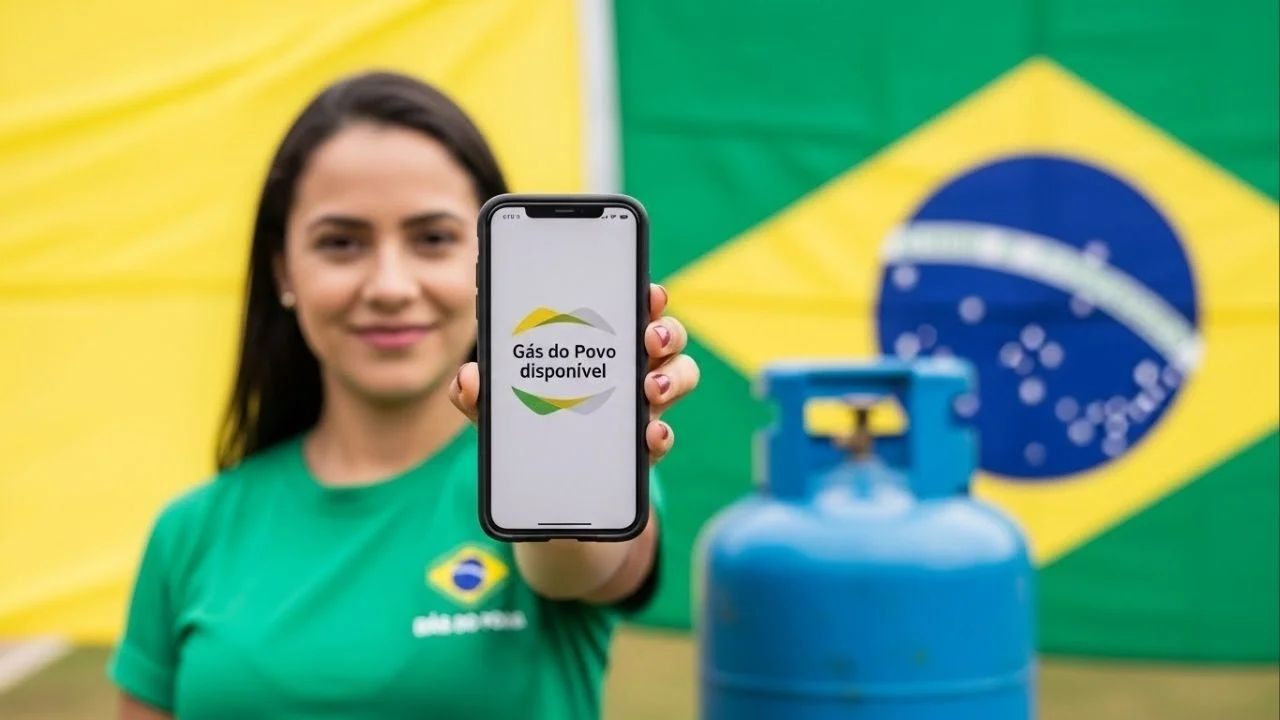
It is also not a voucher you redeem at any store by default, because payment is often made as a cash credit. If you hear new names like Gás do Povo, treat them as policy evolution and confirm your current status.
Benefits, Payment Logic, And How Often It Arrives
The benefit is paid on alternating months, following a bimonthly schedule aligned with major social program calendars.
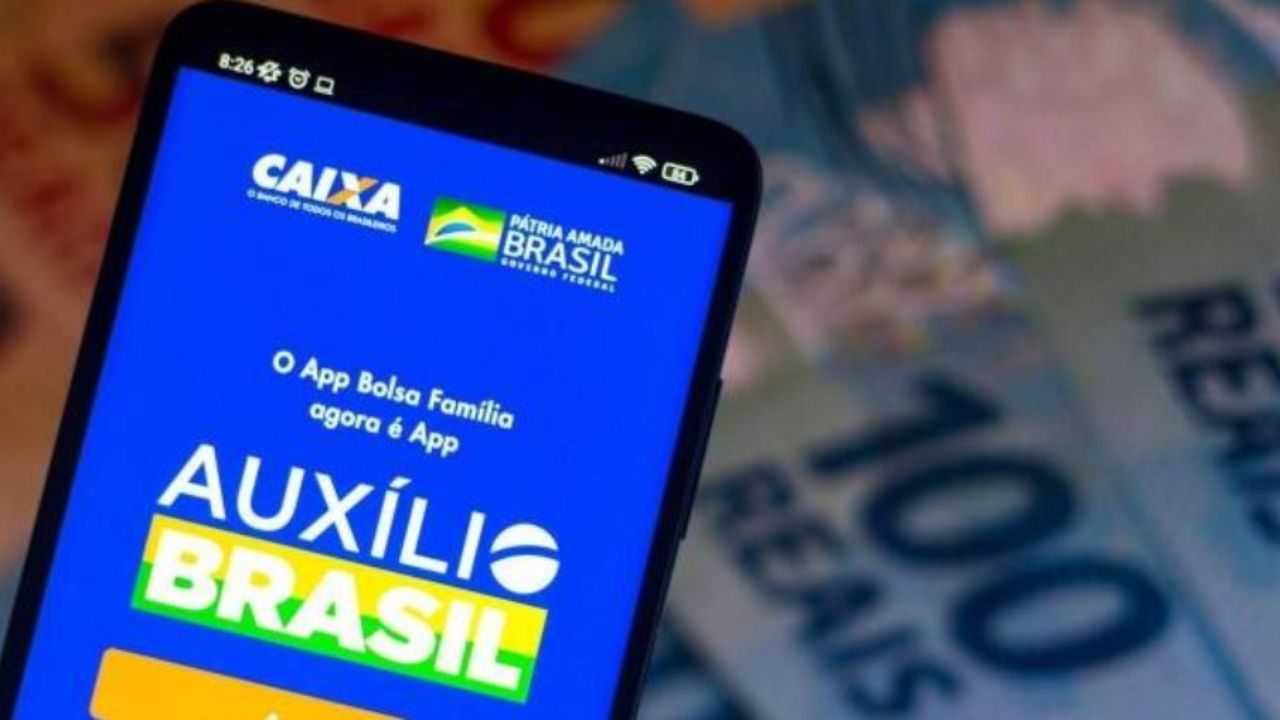
The installment amount can be variable, so you should not assume it will always match what your neighbor received last cycle.
Federal communication often explains the installment using the 13 kg cylinder reference and ANP price data. Your best planning move is tracking your status before the payment window opens.
How Benefit Amounts Are Calculated In Practice
The service description states the benefit was originally defined as 50 percent of the national reference average price of a 13 kg LPG cylinder over the previous six months.
In later cycles, government releases have reported paying 100 percent of that reference value, which shows how the installment can change by decision and budget.
The practical takeaway is simple: the amount is not fixed year round. Always check the current cycle value before you plan spending.
Payment Frequency And How Distribution Usually Works
Auxílio Gás is paid every two months, and the schedule follows the same payment calendar used for Bolsa Família in many cycles.
You typically receive one benefit per family, not one per person, and the payment date can depend on your registration identifiers. Payments are handled through Caixa systems, and a digital account may be used if you do not already have one.
Treat the calendar as operational, not optional, because missing windows creates avoidable stress.
Where You Can Check Payment Status And Updates
You can check status using official benefit channels tied to Caixa, plus local assistance points when you need registry help.
The fastest check is usually through the same environment you use for other federal transfers, because schedules and releases are published around those dates.
If your status looks unclear, do not rely on rumors or unofficial apps. Use your CPF data and confirm whether your household record is eligible and active for the cycle.
Requirements That Decide Eligibility
Eligibility is driven by CadÚnico data quality, income filters, and federal selection priorities.
The main mistake is thinking you can join by requesting it at a bank, because the program is not assigned that way.
You join by being visible to the system with correct household data, and by meeting the criteria when the cycle selection happens. If your data is outdated, you can look eligible on paper but still fail in the system.
CadÚnico Registration And Update Rules
CadÚnico is the backbone of eligibility, so your registration must exist and must be updated whenever family composition or address changes.
If the responsible person in the household has inconsistent documents, the record can be blocked or deprioritized.
Updates are usually made through CRAS or municipal registry points, and you should bring accurate household information. Treat updates as preventive maintenance, because long gaps can stop selection without warning.
Household Income And Family Composition Checks
Auxílio Gás uses low income filters, and official descriptions commonly reference per capita income limits within CadÚnico.
Family size matters because it changes how per capita income is interpreted and how vulnerability is assessed. If your household income changed, delaying updates can create mismatches that lead to exclusion or later review.
Keep your household member list correct, including children, elders, and dependents, because selection relies on that structure.
Priority Profiles And Why Some Families Are Selected First
Federal rules and public guidance highlight that some profiles can be prioritized when resources are limited.
In practice, programs tend to focus on higher vulnerability households, including families already receiving key social protection benefits, and profiles flagged by social assistance criteria.
This does not mean others never receive it, but it explains why two eligible records can have different outcomes. If you want predictability, focus on clean data and documented vulnerability indicators in your registry.
How To Join Auxílio Gás Through The Right Channels
Joining is not a one click enrollment, and that is where many people lose time. The correct approach is ensuring you are registered, eligible, and up to date so the system can select you in a payment cycle.
If you are already receiving Bolsa Família, you may be visible in the same operational calendar, but the gas benefit still follows its own selection logic. Your role is to keep your household record accurate and track the cycle status.
What You Do Before You Expect Any Payment
Start by confirming your CadÚnico registration is active and your household data matches reality today. Review address, household members, income sources, and the CPF situation of the responsible person.
If anything changed recently, update first, then wait for the system’s next verification cycle. Avoid rushing to the bank, because the bank does not enroll you into eligibility. The cleanest path is registry accuracy plus patience across a full cycle.
Where Families Go For Support And Corrections
When you need help, CRAS and municipal CadÚnico service points are the practical first stop for corrections.
They can guide document requirements, confirm whether your record is updated, and show what needs to be fixed. Caixa channels are useful for payment and account issues, but they cannot rewrite your household registry data.
If you keep your support steps in the right order, you avoid repeated visits and conflicting answers.
What To Do If Your Record Is Correct But You Are Not Receiving
If your data is correct and you still do not receive payment, treat it as a selection and capacity issue, not an automatic error.
Confirm whether the current cycle has limited coverage and whether your household appears in the release list. Then verify there are no hidden blocks, such as CPF irregularity for the responsible person.
If everything checks out, keep monitoring cycles and keep your registry updated, because selection can change over time.
Avoiding Blocks, Suspensions, And Missed Payments
Most interruptions come from predictable issues that families can prevent with basic administrative discipline.
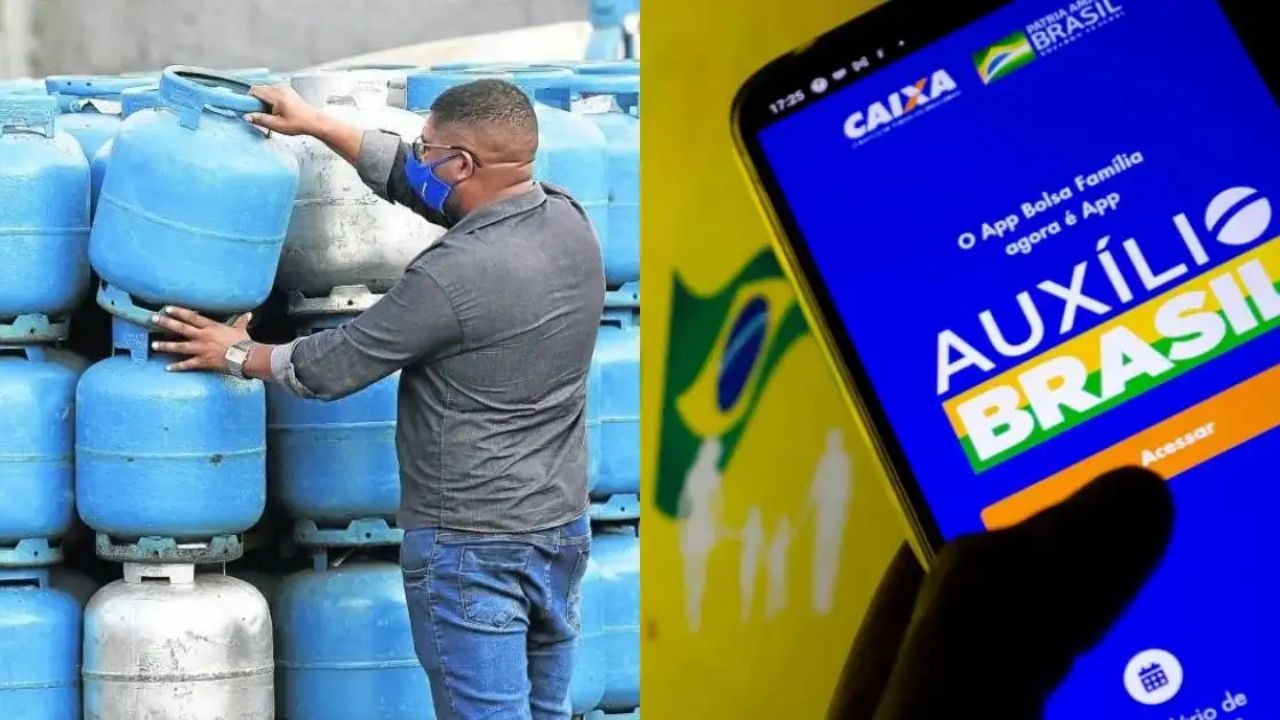
The system is strict about identity consistency because it prevents fraud and duplicate payments. Payments can also be missed when people do not track calendars or when they abandon account access steps.
Your best strategy is focusing on data consistency, calendar awareness, and quick correction when the status changes. That approach reduces downtime and keeps you eligible across cycles.
The Most Common Data Issues That Stop Approval
The biggest problem is inconsistent household data, such as wrong address, missing household members, or income that is not updated after a change.
Another frequent blocker is an irregular CPF for the responsible person, which can prevent entry or continuity.
These are not small issues, because selection is automated and unforgiving. If you suspect a data issue, do not wait for the next cycle to fail again. Correct it as soon as possible.
How To Update Your Household Data Without Resetting Progress
Updating data does not mean you lose your place, but it can affect how you are assessed in the next selection. The goal is accuracy, because inaccurate data can create later cancellations and repayment demands.
Bring documents that prove identity, residence, and household composition, and confirm every field before finalizing the update.
After the update, keep a record of the date and the office that processed it. That makes follow up easier if the system still shows old information.
How To Respond If Payment Stops Or Your Status Changes
If payment stops, start with a calm checklist: confirm the calendar, confirm your account access, then confirm registry status and CPF regularity.
If you see a suspension, ask what triggered it and what document or update is required to restore eligibility.
Avoid relying on informal advice that tells you to wait indefinitely, because many cases need an active correction step. If you act early, you reduce the number of missed cycles and restore predictability faster.
Conclusion
Auxílio Gás is targeted support, and your results depend on whether the system can validate your household data in time. Auxílio gas allowance for low-income families works best when you keep CadÚnico updated, track the bimonthly calendar, and fix CPF issues quickly.
If you are not receiving it, do not assume you are rejected forever, because coverage and selection can shift by cycle. Focus on data accuracy, correct channels, and steady monitoring, and you will reduce missed payments.