

Understanding how to find a bank that fits your financial needs in Spain has never felt more important, especially as banking choices seem to multiply every year.
Anyone moving to Spain, or even residents looking to switch, might feel slightly overwhelmed at first. This article is for those who want to align their financial routines with a bank that’s supportive and convenient.
The goal here is simple: to share which aspects really matter when it comes to choosing a bank, and what makes each option unique or suitable for certain types of people.
Why Choosing the Right Bank in Spain Matters
At times, selecting a bank seems like just another administrative task. But the reality is, the decision shapes how you get paid, manage savings, and even how stress-free travel or online shopping feels.
A good match can make everyday transactions easier, while the wrong choice might leave you facing extra fees or unwanted limits.
Main Types of Banks in Spain
It’s worth pausing to consider the landscape. Spain has both traditional brick-and-mortar banks and newer online banks. Each offers different experiences and opportunities to cater to individual banking preferences.
Traditional Banks
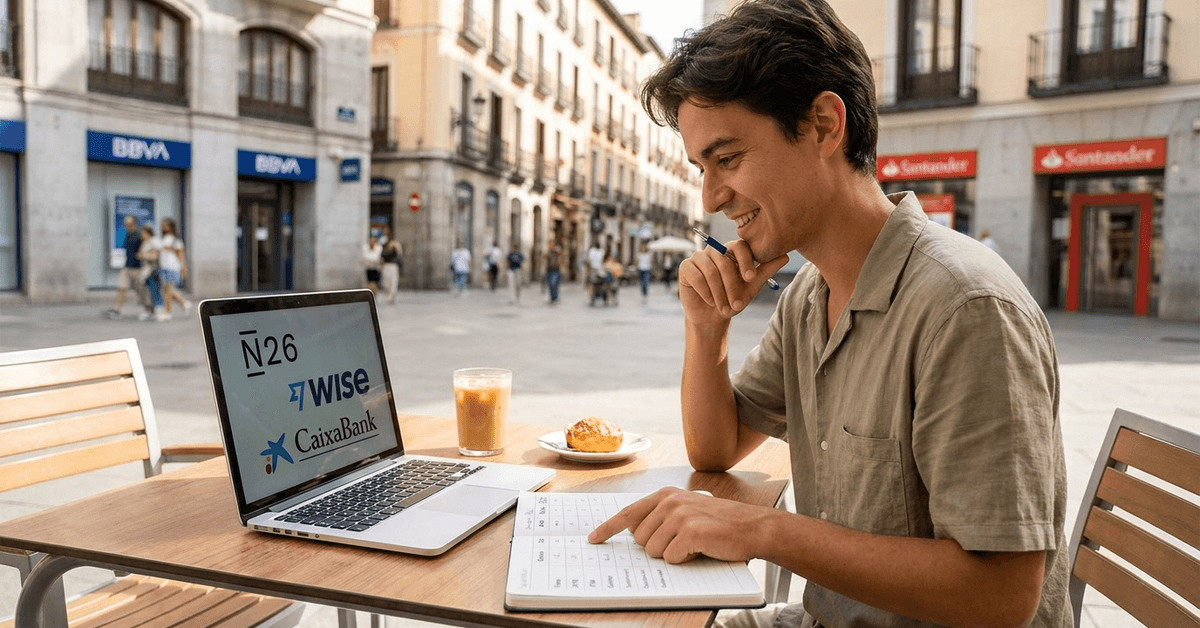
Institutions like Santander, BBVA, and CaixaBank have branches in nearly every city. For someone who likes in-person visits, occasional paper checks, or face-to-face advice, these provide a sense of reassurance.
There’s a network of ATMs, sometimes better loan options, and long-standing services that feel dependable—if maybe a bit slow and formal at times.
Online-Only Banks
Banks such as N26, ING Direct, and Openbank operate mainly online. Their appeal comes from lower fees, easier account openings, and handy apps for instant management.
For digital natives, or those who rarely need cash, this can be, perhaps, the preferred route. Still, some might find it odd to have no physical location nearby if anything goes wrong.
International and Niche Banks
Some banks, like Revolut or Wise, focus on currency exchange and overseas transactions.
These work well for frequent travelers or expats who need to send or receive money abroad regularly, but might not offer full-service local banking (think loans or mortgages), which is something to weigh up.
Key Features to Compare When Selecting a Spanish Bank
Banking offers can look similar at a glance, but the differences start to stand out with a closer look. The right match often depends on which features you prioritize—and honestly, nobody’s needs look exactly the same.
Account Maintenance Fees
Spanish banks often apply monthly fees, unless you meet certain criteria, like depositing a minimum salary.
Comparing fee structures is a good place to start. Some online banks promise zero account fees, though the trade-off might be limited customer service or ATM access.
Account Opening Requirements
Certain banks need proof of residency, a NIE/NIF number, or minimum deposits. For non-residents or newcomers, “non-resident accounts” might be easier but can come with restrictions—in some cases, fewer perks or slightly higher costs compared to residents.
Mobile and Online Banking Services
This is where Spanish banks diverge a lot. A reliable app for account management, card control, and fast support can make everyday management much more convenient.
Larger banks keep boosting their apps, but sometimes, smaller digital banks have the most intuitive designs.
ATM Networks and Card Costs
Spain’s widespread ATM network means access usually isn’t a problem. But free cash withdrawals aren’t universal. Some banks only give free access to their ATMs, while others partner with networks.
Foreign cards almost always incur extra charges, which adds up over time. Card renewal or delivery fees are another factor to keep in mind.
International Transfers and Currency Options
If receiving or sending international payments is frequent for you, banks supporting SEPA transfers or those with competitive FX rates gain appeal.
Others might charge for SWIFT transfers or have clunky procedures for non-euro transactions. Platforms like Wise generally lead with better currency options, though traditional banks are catching up.
Mortgage, Loan, and Credit Product Availability
Plans for a car, home, or personal loan? Spanish banks differ greatly on what they offer to expats versus citizens.
Sometimes larger banks have a broader credit portfolio but, perhaps, stricter approval criteria. Digital banks might offer fewer credit solutions, so it’s something to ponder early—well before a big spending decision comes along.
Who Should Use Which Type of Bank?
Maybe this seems obvious, but many find banking easiest when it matches daily habits. Some just don’t want to deal with branches. Others enjoy having a nearby office in case something gets confusing or urgent.
For Students and Young Professionals
Students might benefit more from banks offering youth accounts, no-fee cards, and handy tap-to-pay features. Online banks with multilingual support and easy account set-up make moving or studying abroad simpler.
For Families and Long-Term Residents
Families might look for banks with joint accounts, child savings plans, and accessible customer service. A strong branch presence can offer peace of mind—especially for handling mortgages or everyday questions.
For Freelancers, Entrepreneurs, or Small Businesses
Business-minded users often want expense tracking, dedicated IBANs, and invoicing tools. Some banks offer tailored plans for autonomous workers, but these sometimes come with added costs or eligibility requirements.
Comparing Spanish Banks: At-a-Glance Suggestions
Here’s a quick comparison based on common features and sample user types:
| Bank | Type | Monthly Fee | Best For |
|---|---|---|---|
| Santander | Traditional | From €0–20 | Families, lending |
| N26 | Online | €0–9.90 | Digital nomads, students |
| Wise | International | €0 + transfer fees | Frequent travelers |
| BBVA | Traditional | From €0–12 | Locals, branches, loans |
Safety, Compliance, and Consumer Protection in Spain
Security is a consistent concern, maybe even more so for those unfamiliar with Spain’s regulatory environment.
All Spanish banks must comply with Banco de España rules and the EU’s financial protections. This includes deposit guarantees up to €100,000 per customer, which adds a sense of security, whether you’re banking online or at a branch.
Details about specific services can vary, so official bank websites and the Banco de España site are reliable starting points for the latest compliance updates or regulatory news.
Helpful Tips Before Deciding on Your Bank
Before choosing a bank, it’s helpful to compare your options carefully and think about how each account fits your daily financial needs.
- Compare real, recent reviews from expats or local residents (forums and Spanish consumer sites are useful).
- If possible, test the app or digital portal with a basic account to get a feeling for the interface.
- Check for extra fees (overdrafts, foreign transactions, card renewals) that may not be obvious upfront.
- Ask about English-language support, especially if your Spanish is limited—some banks are more prepared than others.
- Consider future plans: if you might buy property or need business solutions, larger banks tend to have more options.
Practical Scenarios: Matching Bank Features to Life Moments
For expats, the process of opening a Spanish bank account sometimes involves extra paperwork or longer processing times.
Having a rental contract, proof of income, or a local tax ID number helps things go smoother, though not every bank requires all documents. Online banks often simplify this—still, not everyone will feel comfortable without branch support.
For those working remotely, online banks appeal thanks to international transfer tools, multi-currency accounts, and lower fixed fees. Frequent travelers, meanwhile, often go for options that reduce ATM fees abroad or offer strong mobile security.
Conclusion
Choosing the right bank in Spain starts with understanding your financial needs, daily habits, and long-term money goals.
By comparing fees, digital tools, customer support, and account conditions, you can manage your money more confidently and find a bank that truly fits your lifestyle.